In Search Of Heroes – Lawrence Of Arabia

T.E._Lawrence_With_Lawrence_in_Arabia

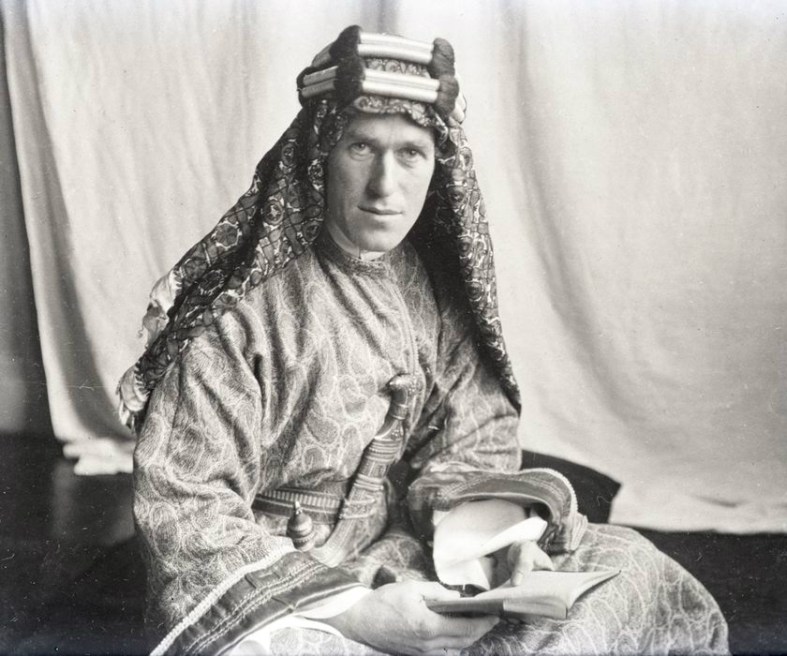
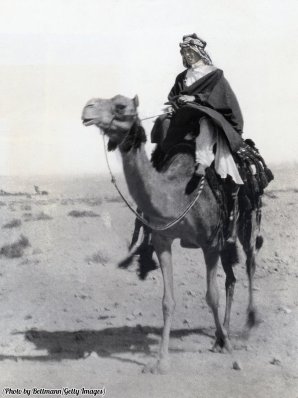
It was 1917 and the horrors of the First World War were truly etched in people’s minds. Initial optimism that the war might be over by Christmas had been well and truly blown away in the dark clouds of 1914. Things if anything were getting worse. The bravery of so many young men who fought for ‘King and Country’ was not in question, but the dreadful stalemate of events on the Western Front had come at a terrible cost. In fact, danger was not so far away for on June 13th 1917, London suffered its highest loss of civilian casualties as German airplanes bombed the city. The Americans had just entered the war and the British were desperately trying to make headway in the muddy fields of Ypres (more commonly known as Passchendaele) but were being repeatedly pushed back by German artillery. In September the British revised their strategy but made slow progress (a mere 1000 yards), but edged ever closer to Passchendaele. What the country needed most of all was hope – and some good news. Meanwhile, in the Middle East, General Edmund Allenby began an attack on Turkish defences which stretched from Gaza to Beersheba in Southern Palestine. The Turks began to retreat towards Jerusalem with the Allies in pursuit. They were aided by a group of Arab fighters led by T.E. Lawrence, an Arab speaking English archaeologist later known as ‘Lawrence of Arabia’. Lawrence and his guerrilla fighting force had already captured Aquaba on July 6th. So, aided by the photographer Lowell Thomas, Lawrence’s fame began to spread as he was depicted as a hero in gleaming white robes who rode to victory on a camel, a warrior-prince of the desert.
07a02f47ba323563162c16678de55e6f

Lawrence’s courage and resourcefulness were not in doubt but his depiction as a British hero was a real morale boost to all those who had suffered so much back at home. Finally, General Allenby was able to march on foot into Jerusalem thus ending the four century reign of that city by the Turks. The Prime Minister David Lloyd George described the capture as a ‘Christmas present for the British people’. Finally, Passchendaele also fell towards the end of the year.

This Remembrance Sunday we will be remembering all those ‘heroes’ who have served their country in times of war and of great need. We will remember those with great stories of their own alongside those whose stories are largely unknown but who suffered much – with many paying the ultimate price. In truth, no act of war can ever be called a ‘good news story’, but we can remember with pride and gratitude all those ordinary men and women, who didn’t think of themselves as remotely heroic, but still gave so much, so that we might be free – whose exploits we gratefully remember and commemorate on Remembrance Sunday.

The Christian will be familiar with another quiet hero who rode into Jerusalem so many years before (not on a camel, but a donkey), who also suffered much and eventually paid the ultimate price by his death upon the cross. At first glance his death seemed to be the epitome of innocent suffering and vanquished hope – but, in reality, his death was the means by which the greatest victory of all was achieved, offering the greatest prize of all, to all those who put their faith and trust in him – life in all its fulness and the forgiveness of sins.

So, please join us this Remembrance Sunday as we commemorate all those who gave up so much for others in the context of the one whose life, death and resurrection brings the greatest hope of all.


“On him we have set our hope that he will continue to deliver us” 2 Corinthians 1.10b


poppy

The Rohingyas – Where Are The Peacemakers?

download

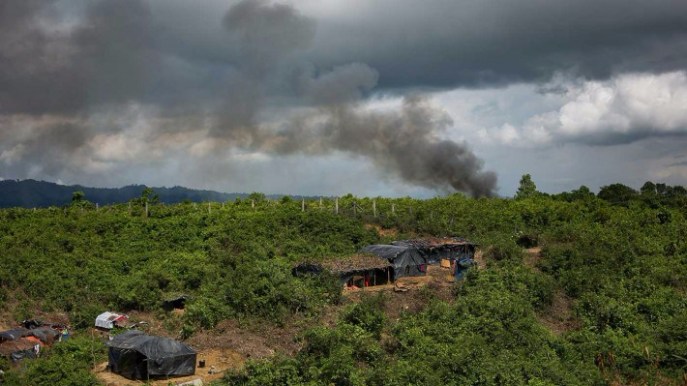
There have been many sad and sorry stories about trouble spots around the world – about people who have been caught up in the midst of war, civil unrest, barbarity and violence, but none are so poignant at the present time as that of the Rohingyas. The Rohingas Muslims are from the Rakhine state in Myanmar (formerly Burma). They are a ‘stateless’ people who have faced many years of persecution from the Buddhist majority and deep seated historic tensions have fuelled the latest catastrophe, sparked by the actions of Rohingya militants earlier in August. However, the scale of the military response from the Burmese Generals alongside Buddhist monks has been vast and unprecedented, driving hundreds of thousands of Rohingya, men, women and children, across the border and into squalid relief camps in Bangladesh.

150917-wd-myanmar

This terrible situation has become even more tragic as the Burmese leader is Aung San Suu Kyi – the 1st State Counsellor of Myanmar (akin to our Prime minister), the former ‘non-violent’ civil rights campaigner and leader of the National League for Democracy who won the Nobel Peace Prize in 1990. Quoted in 2007 as saying “I do not hold to non-violence for moral reasons, but for political and practical reasons”. This statement may ironically shed some light on her current, bewildering silence as the leader for Myanmar. Does she now believe that for political and practical reasons, violence against the Rohingyas is justified? Has she been persuaded by her Generals that violence is necessary? Is she prejudiced against the Rohingyas? Admittedly, it may appear that her actual power is very limited, but her ambivalence seems to perfectly illustrate the statement often attributed to Edmund Burke that “the only thing necessary for the triumph of evil is that good men (or women) do nothing”. Which is such a shame, as for many years she was held up as the shining light and beacon for civil rights and democracy. It seems that this mantle has now passed to another recipient of the Nobel Peace Prize – young Malala Yousafzai, herself the victim of violence in Pakistan. “We can’t be silent right now,” she says. “The number of people who have been displaced is hundreds of thousands …. This should be a human rights issue. Governments should react to it. People are being displaced, they’re facing violence. We need to wake up and respond to it,” she continues, “… and I hope that Aung Sang Suu Kyi responds to it as well.”

The Christian will be aware that when Simon Peter, one of Jesus’ disciples, tried to protect Jesus and prevent his arrest by the temple guards, Jesus warned him urgently to put his sword back into place “for all who live by the sword will die by the sword” (Matthew 26.52) and had conversely famously promoted the cause of peace in his ‘sermon on the mount’; “Blessed are the merciful for they will be shown mercy” he said “…blessed are the peacemakers, for they will be called children of God,” (Matthew 5.7,9). So, where are today’s peace makers? Well, they are all around us – in fact they are us! For like Malala Yousafzai, we should be encouraging our government to act swiftly to put pressure on the Myanmar government and not to stand silent. There may be very little that we can do personally, other than to pray for peace and support relief organisations and charities that we know are working in the area, but we can also be clear that these sorts of actions will never be seen by us as being part of a just, fair, civil and democratic society.


“… and what does the Lord require of you? To act justly, and to love mercy and to walk humbly with your God” Micah 6.8


Would You Recognise A Slave If You Saw One?

3584

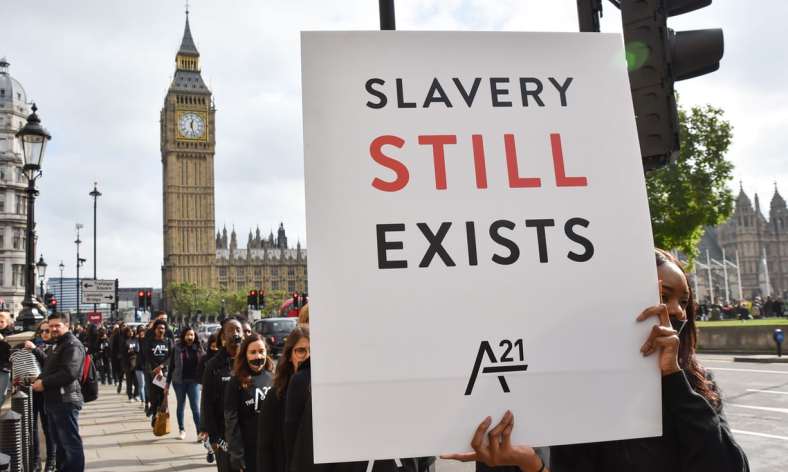
Whilst many of us were enjoying the Summer holidays and watching the World Athletics, a darker side of our society also came to the fore last month. The BBCs Home affairs correspondent Dominic Casiani reported how the NCA (National Crime Agency) had revealed that victims of modern day slavery were being forced to work in every large town and city in the UK in far higher numbers than was previously thought – “from the person who washes your car, to the worker who picks your fruit, to the labourer who helped build your house, more people would be coming into contact with them every day” he said. “These are people who are forced to work against their will, under the threat of punishment or as a form of debt repayment. Some of them may not even realise that they are the victims of crime – in many cases they are victims of criminal gangs”.

These are all incredibly vulnerable people who are usually disadvantaged, poor or from other countries who are being repeatedly ill-treated, abused and exploited. The NCA sadly described how the more they looked at the problem the worst the figures became, so much so that they have now asked the public and the general community to help them by reporting any form of this sort of exploitation that they may come across.

Previously, the Archbishop of Canterbury, Justin Welby alongside the Ecumenical Patriarch of Constantinople at a conference in Istanbul had observed that slavery is more rampant today than at any other time in human history and called it an “abomination to human dignity”. “There is no religious basis or justification for a practice that commodifies human beings” he said and suggested that the church with a presence in every parish was uniquely placed to help spot, confront and challenge those who seek to exploit others in this way. The Prime Minister, Theresa May welcomed the subsequent declaration that came out of the Istanbul conference saying that “modern slavery is one of the great human rights issues of our time, subjecting people around the world to experiences that are horrifying in their inhumanity. We have a duty, as human beings and as Christians, to bring it to an end. The UK is leading the way…but governments alone will not be able to stop it. It is vital that all parts of society do their part”.

The Christian will recognise that as human beings, we are all made ‘in the image of God’ and all equally of value and worth before him. Indeed, Jesus not only summarised the Jewish faith as ‘loving God’, and ‘your neighbour as yourself’, but capped it in his own unique way by giving his disciples the ultimate command that they should ‘love one another as I have loved you’ (John 13.34). In other words, selflessly, sacrificially, compassionately and with a generous spirit as ultimately displayed in his own death upon the cross.

These are sentiments, I believe, that whether we be religious or not, we can all sign up to as marks of our common decency and shared humanity. The challenge is of course, would we recognise this sort of exploitation if we saw it – and if we had a suspicion would we have the courage to report it? I truly hope so, for this sort of problem will only get worse if people ‘turn a blind eye’, ‘mind their own business’ or try to ‘sweep it under the carpet’. Ultimately, we always need to put ourselves in the place of the victim, and treat others as we would like them to treat us – with common decency, dignity, value and respect. That’s part of what it means to ‘love one’s neighbour as one’s self’.


“There is neither Jew nor Greek, slave nor free, male nor female, for you are all one in Christ Jesus” Galatians 3.28


Can Evangelical Christians No Longer Be In Politics?

tim farron

Naturally, our hearts go out to all the people that were caught up so tragically in the fire that destroyed the Grenfell Tower in North Kensington. We pay tribute to the fire and other emergency services and we applaud the amazing generosity, love and charity demonstrated by the people of the local community. We pray for all affected and hope that lessons will be learned to prevent such tragedies in the future.

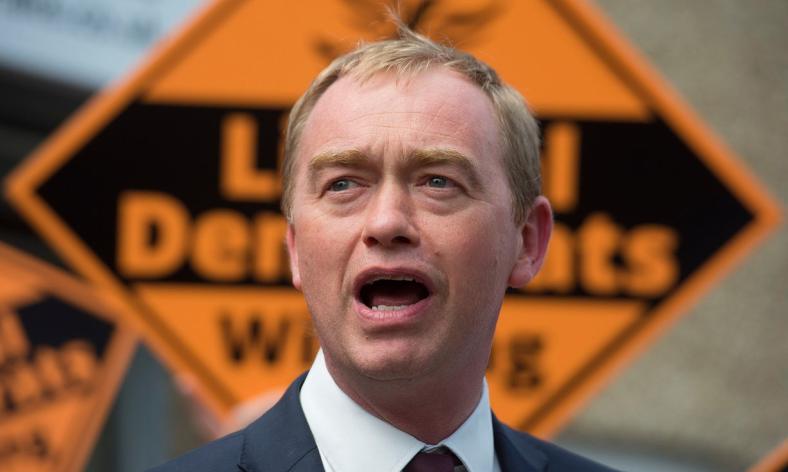
However, on the same day another interesting story took place when Tim Farron announced that he would be standing down as leader of the Liberal Democrats citing the pressures that had been placed upon him by the media due to his Christian convictions particularly over the matter of ‘Gay Sex’. “A better, wiser person may have been able to deal with this more successfully, to remain faithful to Christ while leading a political party in the current environment. To be a leader, particularly of a progressive liberal party in 2017 and to live as a committed Christian and to hold faithful to the Bible’s teaching has felt impossible for me,” he said.

The irony of all this was that Tim Farron’s voting record had been exemplary in the support of gay rights and as a politician he had publicly and passionately supported peoples’ rights to live in whatever way they chose, regardless of his own personal thoughts or opinion. Knowing that biblically and theologically speaking, the bible does regard gay sex as a sin (it’s hard to come to any other conclusion if you read the Bible honestly) the media saw this as a stick to beat him with and wouldn’t let it drop, despite the fact that Tim Farron had represented all of his constituents with integrity to the best of his ability (even though the Office for National Statistics itself believes that the gay community only represents 1.5% of the population). It’s interesting to note that the media didn’t bully Muslim MPs in the same way, even though the whole matter of gay sex is just as contentious in the Qur’an and Islam as it is in the Bible, which once again is an example of systematic media bias and spin.

The problem with our society is one of an extremely bad and intolerant ‘political correctness’ which doesn’t only wish to restrict any form of language which might offend, marginalise or disadvantage people on grounds of race, sex or religion (which is good) but actually stifles debate in the process (which is bad) and is intolerant of anyone who doesn’t hold the commonly held party view, regardless of its failings.

Over the years many Christians have faithfully and passionately sought to serve their communities with ‘love and devotion’, seeing it as part of their Christian and political vocation to make the world a better place. We have a proud Christian heritage which has shaped many of our laws and influenced the way we govern ourselves and look after one another, based on mutual understanding and the traditional Christian values of love, justice, equality and the intrinsic worth of the individual made ‘in the image of God’. It would therefore be such a shame and a real detriment to our communities if Christians were discouraged from entering politics or thought that their contributions to society were of little value or worth.


“Love the Lord your God with all your heart … and love your neighbour as yourself.” Luke 10.27


If My System Is Compromised – How Do I Pay The Ransom?

ransomware wannacry

Over the last few days we have seen an unprecedented cyber-attack which has hit more than 200,000 victims worldwide across 150 different countries. In the UK, the National Health Service was hit hard with 48 health trusts sufficiently compromised that they had to turn patients away, close down their IT systems and resort to ‘pen and paper’. The culprit was the WannaCry malware virus (or worm) which had the innate ability to encrypt people’s files and lock them out of their computers. People may not have literally felt like crying but it was extremely annoying, disruptive and potentially had the capacity to put lives at risk. Although the majority of PCs were safe, older systems without the appropriate software patches and up-to-date antivirus solutions left their users with the dilemma of either having to rebuild their systems from backups or possibly pay ‘the ransom’ demanded by compromised machines. Despite the scale of the attack, the evidence suggests that very few people actually paid the ransom (usually $300 (£230 per machine) in a virtual currency known as Bitcoin). This was probably because; firstly, purchasing Bitcoin is a very difficult process and secondly, ‘a lucky break’ by a software engineer found a way to stop the ransomware, and ‘kill the virus’ containing the spread of its contagion. Well done that man!

This whole episode demonstrated just how ‘interconnected’ we are in modern society and how dependant we are upon the good services of others. When one person or area is attacked, the implications for the wider community can be vast (rather like an earthquake, or the ripples generated by a stone dropped into a pond). Our ability to function is severely impeded, our relationships are broken, sometimes resulting in a lack of confidence, hope and trust. Sometimes, people prefer to either ignore the problem and hope it will go away or pay any cost to simply get on with their lives again.

It’s not difficult for the Christian to see immediate parallels with the theological concept of ‘sin’ as described in the Bible. Sin is that innate part of the human psyche which seeks to put itself first before anything else and often at the expense of others. It’s the selfish ‘I’ which lurks deep within and doesn’t usually care if something is right or wrong as long as it satisfies the self. Sin is often selfish, greedy and manipulative and is usually the very opposite of genuine, generous giving and sacrificial love. Like a virus, sin has the capacity to spread out and ‘take down systems’ and its consequences can be disastrous; it’s often the root cause of a lot of anger, hurt and mistrust. It spoils our relationships with one another, our communities and even with God himself. The difficulty is that without genuine regret, remorse and repentance it’s usually difficult to find a way to move on, to be positive or find forgiveness. Sin enslaves the individual and makes them less than they were ideally meant to be. They are ‘bound’ by it and effectively held to ransom!

This is why the Christian story is such ‘good news’ and so wonderfully positive, because despite our sin, we are told that God still loves us, and literally steps into this sinful world of ours in the person of Jesus, and through his death upon the cross, Christ absorbs within his own body the terrible pain and consequences of all our sin. He bears the hurt that our sin has caused, freely, lovingly and generously so that we can be spared its consequences and find forgiveness. The Bible says that by his death upon the cross Jesus paid a ‘ransom’ for our sins setting us free when we put our faith and trust in him. This is wonderful news and doesn’t simply change who we are before God, but our hearts and our perspective. We are set free and given a brand new, fresh start! So how do we pay the ransom? We can’t and we don’t have to – because it’s already been paid. All we need to do is embrace it and say thank you.


“The Son of Man did not come to be served but to serve, and to give his life as a ransom for many” Matthew 20.28


Why Should I Be Bothered About Easter?

empty-tomb

Many people will be looking forward to the long bank holiday weekend as a welcome break from work, a time to see family and friends and perhaps treat one another to chocolates and Easter eggs – not really understanding what Easter is all about or why it could be significant to them.

In order to really understand Easter, we need to take a ‘deep breath’, open our Bibles and contemplate the first few chapters of the book of Genesis. Now many people will immediately dismiss the Bible as religious ‘mumbo-jumbo’, saying hasn’t science dismissed all this as rubbish – and don’t we now accept human-beings came into being through a process of evolution? To which I would want to say, well you can ask those sort of questions if you would like, but that’s not really what the Bible is about! Many scientists are quite happy Christians because they accept that the Bible doesn’t really speak in terms of science at all but in terms of theology. It’s more concerned with ‘why’ the world is as it is, rather than ‘how’ it came to be. Theologically speaking, the opening chapters of Genesis explain how God initially created a perfect world, but it was spoilt by the foolish, self-centred decisions of human beings (namely Adam and Eve) who thought that they knew better and wanted ‘to be like God’. This wilful disobedience (which the Bible calls sin) led to the world becoming less than perfect, knocked off balance and ‘out of kilter’ by arrogance, wickedness and greed – qualities which spoil not only our human relationships but our relationship with God himself. In other words, the world is not as God originally intended. It is as Christians describe it – fallen – and if you doubt it, then all one has to do is look at the news on our television screens. Genesis therefore speaks to our humanity, and most people having read it, if they are honest with themselves, can identify with it saying – that’s me!’

The rest of the Bible is really a ‘love story’, describing how God goes to great pains to rescue us from this world of sin and put things right, and its hero is Jesus. For in the Old Testament, we see how God is constantly trying (initially through the people of Israel) to call people back to himself and to a ‘righteous’ way of living, but time and time again the people fail because the strangle hold of sin is simply too strong. Although we often learn from our mistakes, we can’t put things right by ourselves. The Bible may tell us that ‘if our hand causes us to sin, we should cut it off, or if our eye causes us to sin we should pluck it out’ (Mark 9.42f) but as Jesus makes clear, the heart of the problem is the problem of the human heart – and we can’t cut out our heart! So, Jesus steps in, showing us not only how to live a better life, but how we can positively change our hearts when we put our faith and trust in him, demonstrating just how extraordinary God’s love for each and every one of us is by his own death upon the cross. He takes upon himself the punishment that our sin deserves – sparing us from it, for as the old hymn makes clear ‘there was no other good enough to pay the price of sin; only he could unlock the gate of heaven, and let us in’.  All we need to do, to be forgiven, is to trust that Jesus died for my personal sin – and say thank you.

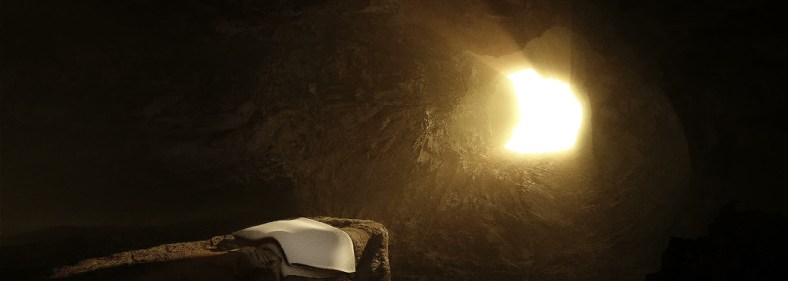
But that’s not the end of the story, because three days later Jesus rose from the grave – a tremendous and astounding event witnessed by so many of his friends and disciples, demonstrating once and for all that he was indeed the ‘Son of God’ who died to save the world – and that’s the message of Easter. Now, of course it doesn’t take a moment for us to appreciate that the world is still sinful and still needs to change, which is precisely why the Gospel message is still so needed and so relevant for our modern world today, still speaking of a future hope when all will be ultimately put right when Christ returns – but in the meantime, the world as we know it changes ‘one heart at a time’. Please let one of them be yours!


I want to know Christ and the power of his resurrection” Philippians 3.10


The Church, Gay Marriage & Not ‘Taking Note’

grahamjames-20170215203959876_web

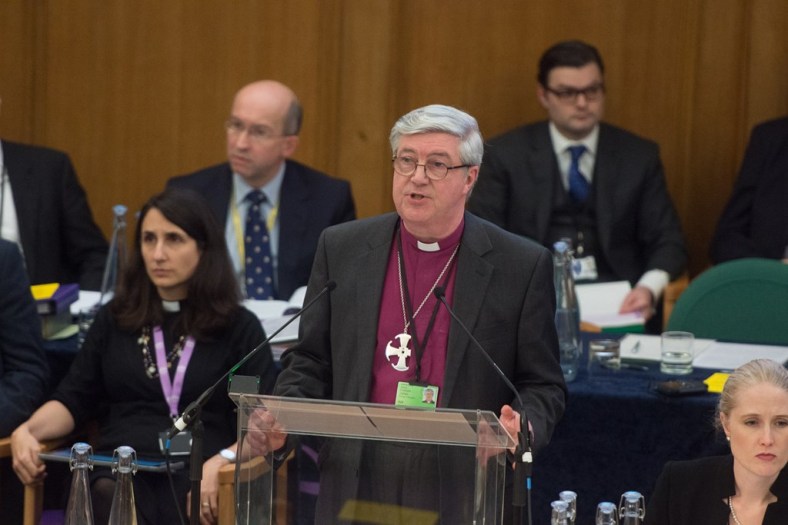
The Rt. Revd Graham James (Bishop of Norwich) addressing General Synod

Last week (15th February 2017), the media gave the impression that the Church of England had taken another step towards accepting gay marriage after its ‘controversial report’ (as described by the BBC) proposing that only men and women could be married in church was rejected by the ‘house of clergy’ who voted 100 to 93 against. This was seen as a victory for the liberal establishment and a snub towards the Bishops who had not only drafted the report, but overwhelmingly voted in favour of it, 43-1 (although it later transpired that this single vote against had been made in error). The Laity also voted in favour 106-83, but as ever, nothing is quite as straight forward as the news headlines would suggest. Yes, of course campaigners for gay marriage were delighted, seeing it as a ‘victory for love and equality’, but equally it appears that following an ambiguous comment made by the Archbishop of Canterbury, the motion was rejected by some conservatives who feared that ‘pastoral practice’ following the motion wouldn’t be ‘conservative enough’. This is because the paper didn’t actually contain any objective proposals. It was simply designed for ‘taking note’ and once passed would simply form the backdrop to church practice without any further discussion required at General Synod. As it stands, the status quo will prevail as the motion cannot be reconsidered within the life of this synod.

The difficulty is, I suggest, one of public perception. The campaigners for same sex marriage would have us believe that the public cannot understand why the church is so behind the times, and so anti-gay marriage which they see as nothing but antiquated, homophobic and prejudiced. As campaigner Peter Tatchell remarked, ‘the church denies the right of same-sex couples to be blessed in church when they will bless cats and dogs’ – but of course it doesn’t take a moment to appreciate that the cats and dogs in question aren’t seeking a blessing upon their relationship. And it’s this sort of rhetoric which makes life so difficult for all concerned.  The church doesn’t deny that people of the same sex can have very warm and affirming relationships, but it doesn’t believe that sexual relations between two people of the same sex, however loving, can be equated with marriage as traditionally understood and expressed between a man and a woman. However affirming they may be, the two scenarios are not the same or equivalent. The problem is compounded by the weight of theology that is attached to the Christian concept of marriage (so much more than the simple notion of ‘two people loving each other’) which becomes unravelled if marriage isn’t between the two different sexes.

“For this reason a man will leave his father and mother and be united to his wife, and the two will become one flesh’ So they are no longer two, but one. Therefore what God has joined together, let man not separate.” Matthew 19.5-6

In a sense, the general public may not appreciate that shouting loudly about ‘inclusiveness and equality’ (which the church has traditionally championed) rather misses the point and doesn’t resolve the dichotomy presented here – for the church can’t really accept gay-marriage without doing fundamental harm or damage to itself or its message. So, however painful it may be to those who wish it was otherwise, it doesn’t seem to me that a loving church can possibly bless that with which it fundamentally, theologically and scripturally disagrees , nor is it reasonable nor loving of others to expect it to do so.

The upshot of all these discussions is that we are still in a difficult place with many people from all sides feeling somewhat unhappy and dissatisfied, and so much prayer, thought and discussion will still be needed. Perhaps it’s best to leave the final words with the Revd Sam Allberry, who is himself gay and went on to remind Synod that Jesus Christ was ‘the most fully human and complete person who had ever lived’ and yet ‘he never married, was never in a romantic relationship and never had sex’. Therefore ‘Sexuality is not a matter of identity for me, and that has become good news”.


“I saw the Holy City, the new Jerusalem, coming down out of heaven from God, prepared as a bride beautifully dressed for her husband. And I heard a loud voice from the throne saying, ‘Now the dwelling of God is with men…” Revelation 21.2-3


No Greater Love Than This …..

dsc_0986

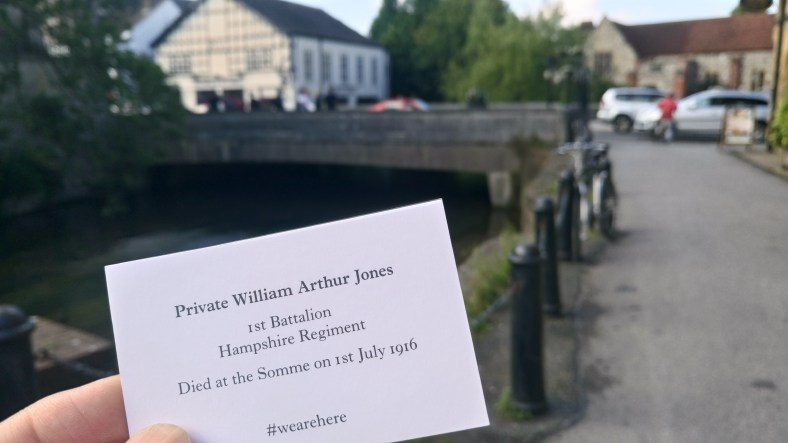
“Some of us remembered that sunny last evening in June, when we had assembled with such high hopes in the trenches, the day before the Somme offensive began. How we had jested and joked, even collecting pieces of chalk wherewith to label as our trophies the guns we were so sure of taking! Some of us too, remembered the next night, when, with every officer but one a casualty, and our dead hanging thick on the German wire, we had been withdrawn, sweating and shaking and shattered. It took us three months to recover from that blow.” November 1916

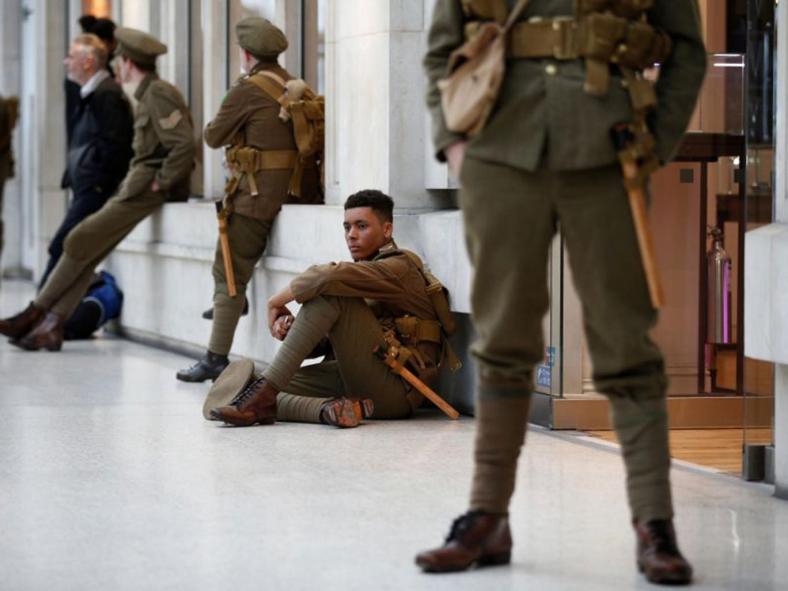
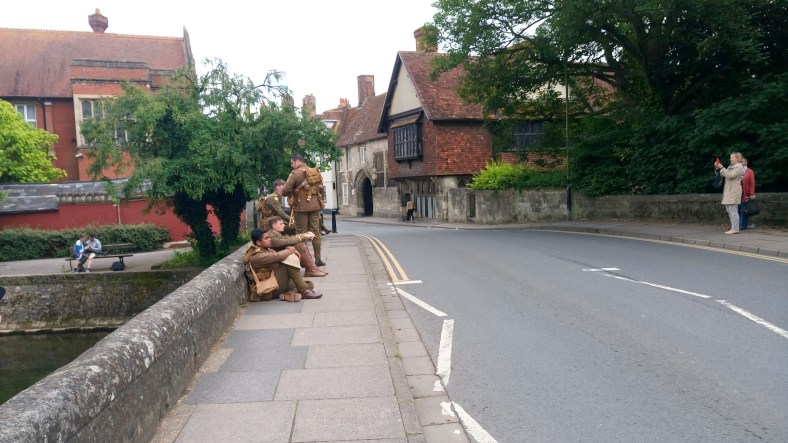
These words are taken from Twelve Days on the Somme by Sidney Rogerson, and although they make uncomfortable reading, I think it’s right, upon this 100th anniversary, that we should be reminded of what life was actually like for those soldiers who endured that particular conflict.

The first war, was of course described as ‘The Great War’, the war to end all wars and with 20, 000 British troops dying on the first day of that particular battle, we can see why many thought that they had already paid a sufficiently high price to ensure the nation’s peace and trusted that surely, the world wouldn’t fall into such a sad and terrible situation again – and yet as we all know barely 30 years later the Second World war was upon us, and there have been various other conflicts since.

soldiers-wearehere-somme-reuters

We are mindful of the fact that Jesus said Greater love has no one, than he lay down his life for his friends” (John 15.13) and its significance for those who have died in conflict defending their country and way of life is obvious. Yet we need to remember that the context of this verse is not war, death or pain – but love, for it immediately follows the command to love one another as I have loved you’ (John 15.12). Military people know the importance of following commands and this is an important one for us all, for we must never allow anger, hatred or pain to define us as human beings. For if we do, then we have allowed these sentiments to rob us of a precious part of our humanity. ‘Loving God and our neighbours as ourselves’ doesn’t mean that we shouldn’t fight for what we know to be right or make sacrifices, but we do so precisely because we wish to preserve all that is right, decent and honourable. This sometimes means that we have to lift ourselves above a basic ‘tit-for-tat’ mentality (which may be no more than a basic desire for revenge) and strive to reach those higher standards and ideals that we cherish and wish all people to live by. The men who died upon the Somme and other such conflicts, ultimately did so because although they hated war, they were striving to preserve our way of life, freedom and peace. They were fighting for something greater than themselves. To this extent, their selfless act echoes the one made by Jesus when he died upon the cross, the one dying for the many, but achieving in his case for each one of us, the forgiveness of sins and salvation. It certainly wasn’t anger, fear or hatred which drove him to the cross but love, which is why we remember him and all those who have died in a similar selfless fashion with the greatest of respect, praise and gratitude. ‘The Great War’ may not have been the war to end all wars, but we value and respect all those whose efforts tried to make it so. Please join us this Remembrance Sunday as together we commemorate all those who have laid down their lives for us.


Greater love has no-one than this, that he lay down his life for his friends.” John 15.13


dsc_0990


The Paralympics, ‘The Last Leg’ And The Freedom To Be Ourselves

003-2016-09-18-bethany-firth

Bethany Firth – Celebrates having won three gold medals and a silver in the S14 classification at Rio 2016

What a joy the Paralympics have been! The Olympics were glorious, but the Paralympics have been truly stunning and inspirational. Athletes that many of us only first heard about at London 2012 have now become household names – Hannah Cockcroft, Jonnie Peacock, Ellie Simmonds, Dame Sarah Storey and Richard Whitehead have all lived up to their billing at Rio 2016 and deserve the much heralded superlative of ‘superhumans’. At the time of writing the medal tally for Team GB in Rio has surpassed that of London 2012 and a whole new bunch of athletes have been introduced to the world.  The high-lights programme with Claire Balding combined with the comedy and sense of fun that comes withThe Last Legteam (Adam Hills, Josh Widecombe and Alex Brooker) have helped us all, without being patronizing or sentimental, to look beyond the disability and see the athletes for the people they really are. This doesn’t trivialise the tragedy and trauma that some people experience but celebrates their strength of character, the human spirit and their various accomplishments in the light of it.

However, it was the theme tune of The Last Leg permeating the sport which really caught my attention. This rap song called ‘Harder than You Think’ performed by the hip hop group Public Enemy contains the phrase ‘thank you for letting us be ourselves’ and it got me thinking. Every parent tries to encourage their child to be independent, to learn to think for themselves, stand up for themselves and be creative rather than to simply ‘go with the flow’ or be negatively influenced by others. We hate it when people try to coerce us into being something that we are not, either by steering us down a certain path or restricting our choice or freedom of expression. We resent being ‘put in a box’ and told that we can’t do something when we think we can. Essentially what we hate is any attempt to manipulate us or restrict our freedom to be ourselves. Although parents can (and should) offer advice and guidance, the willingness to let your child be free, to find their own way and lead their own lives is really an act of love – but it’s risky, because with freedom of choice comes the possibility of making mistakes.

Sadly, the world in which we live isn’t perfect, because alongside the many joys of life are sadness and sorrow as people behave badly and make mistakes. The Christian perspective is one that says that although God initially made the world perfect, he also graciously and kindly gave us human beings the freedom of thought, expression and choice; he gave us the freedom to be ourselves because that was the loving thing to do. God no doubt saw the future and understood the risks but he willingly gave us the freedom to be ourselves precisely because he isn’t a dictator and neither are we his mindless slaves or robots. The incredible thing is that despite our many failings and mistakes, God still loves us and right from the start had a plan to put things right, and that plan – was Jesus! God so loved the world that he gave his one and only Son to death upon the cross, so that by that terrible process, we might be forgiven of our sins and spared the consequences of our actions. This shows just how deeply God loves us and the true extent to which he is willing to go in order that we might have the freedom to be ourselves. So whatever challenges in life we personally face, let us like our inspirational Paralympians, be ourselves to the best of our ability.


“For God so loved the world that he gave his one and only Son, that whoever believes in him shall not perish but have eternal life. John 3.16


The Olympic Story Behind Christ The Redeemer!

Christ the Redeemer 002

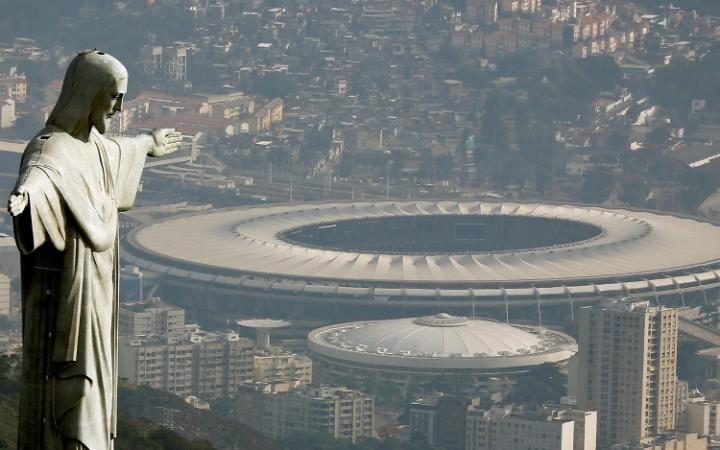
What a wonderful Olympics it has been! After months of worry and uncertainly about the Stadium, the Zika virus and political unrest, Rio 2016 has been a great success. Certainly from a British point of view there has been a lot to cheer about – not only have the women’s eight matched the men with gold medals in the rowing for the first time ever, but Max Whitlock has become Team GB’s first ever gymnastics champion (twice!); Justin Rose became the first man to win the golf at the Olympics since it was last played in 1904 and Andy Murray put us all through the mill as he successfully defended his tennis title first won at London 2012. At this time of writing, the athletics is well underway and Team GB find themselves, somewhat surprisingly second on the medal table in front of China – but will it last? But of course, the tales of inspirational human endeavour aren’t simply tied to those who’ve come away with a medal but to all those who have done their best to be ‘the best they can be’ despite the odds (who can forget the efforts made by the Refugees Team, competing under the Olympic flag) and all such athletes should be proud. However, the sporting arena is not the only source of wonder and appreciation – the Brazilians have been commended for their warm welcome, hospitality and sense of fun, along with their beautiful country, ranging from the beautiful Copacabana beach at Rio to the magnificent statue of ‘Christ the Redeemer’ looking down upon the city from the Corcovado Mountain.

Although the statute isn’t the largest statue of Jesus to be found in the world it is considered to be an ‘art-deco’ masterpiece and is hugely iconic of Rio de Janeiro and symbolic of Brazil’s Catholic Christian heritage. The statue is 98 feet tall (not including it’s 26-foot-tall pedestal) and weighs 635 tonnes. There were several designs initially proposed but the familiar statue we recognise today with its open arms (measuring 92 feet wide) was specifically chosen to represent the love of Christ for the world who will warmly welcome and embrace all who come to him. The statue was originally built in 1922 and took 9 years to complete, and was officially declared one of the ‘New Seven Wonders of the World’ on 7th July 2007.

This wonderful statue of Jesus is of course called ‘Christ the Redeemer’ but why and what is so special about redemption? Well, redemption literally means ‘buying back’ and was often used in the ancient world of slaves buying their freedom or having it bought for them. One of the greatest acts of redemption in the Bible (and which has coloured the way this word is used ever since) was when God bought his people out of slavery in Egypt to give them freedom in the promised land. The problem was, that over the years the people found themselves repeatedly bound as slaves by successive regimes and therefore in need of a ‘new redemption’. The early Christians understood this in the most radical of ways, they saw it as pointing to the poverty of their own human condition, they were constantly ‘in slavery to death and sin’. What they needed was a redeemer! Someone who would be able to pay the price for their sin and lead them to freedom and new life. That person was Jesus! His self-giving, sacrificial death upon the cross was truly Olympic in its magnitude, the most dramatic, inspiring and generous gift of God’s love the world had ever seen. His death was the price paid for our ‘redemption’, the innocent dying for the guilty, but of course the Gospel story doesn’t conclude with Christ’s death but his resurrection! His rising from the grave was the first sign, evidence and promise of future hope and life everlasting. A precious gift warmly and freely given to anyone who wishes to receive it and puts their faith and trust in Jesus as their personal Lord, Saviour and Redeemer. The Olympics may be glorious; the games have been thankfully largely harmonious, and the athletic achievements truly inspirational – but the story behind the Christ the Redeemer statue is even more so and gives us all the chance of reaching our full potential and ‘being better than we can be despite the odds’.


We are justified freely by his grace through the redemption that came by Christ Jesus. Romans 3.24