
A day after a massive Russian attack killed 35 people as they headed to church on Palm Sunday, and injured 117 others in Sumy, Ukraine, President Donald Trump, the most powerful man in America, once again blamed President Volodymyr Zelensky for starting the war with Russia. “You don’t start a war against someone 20 times your size and then hope that people give you missiles…. When you start a war, you got to know you can win.” The historical context is complex but these statements are at odds with the recorded invasion of Ukraine by Russia in February 2022 and the earlier annexation of Crimea by Russia in 2014, in violation of international law.
A similar spinning of reality can be seen with the bombing of the al-Ahli hospital in Gaza City which coincidentally was also on Palm Sunday. This private hospital run by the Anglican Church, was the last functioning hospital in Gaza. The Israeli military said it had hit a ‘command and control centre’ used by Hamas to plan attacks, but so far they haven’t given any evidence to justify their claim.
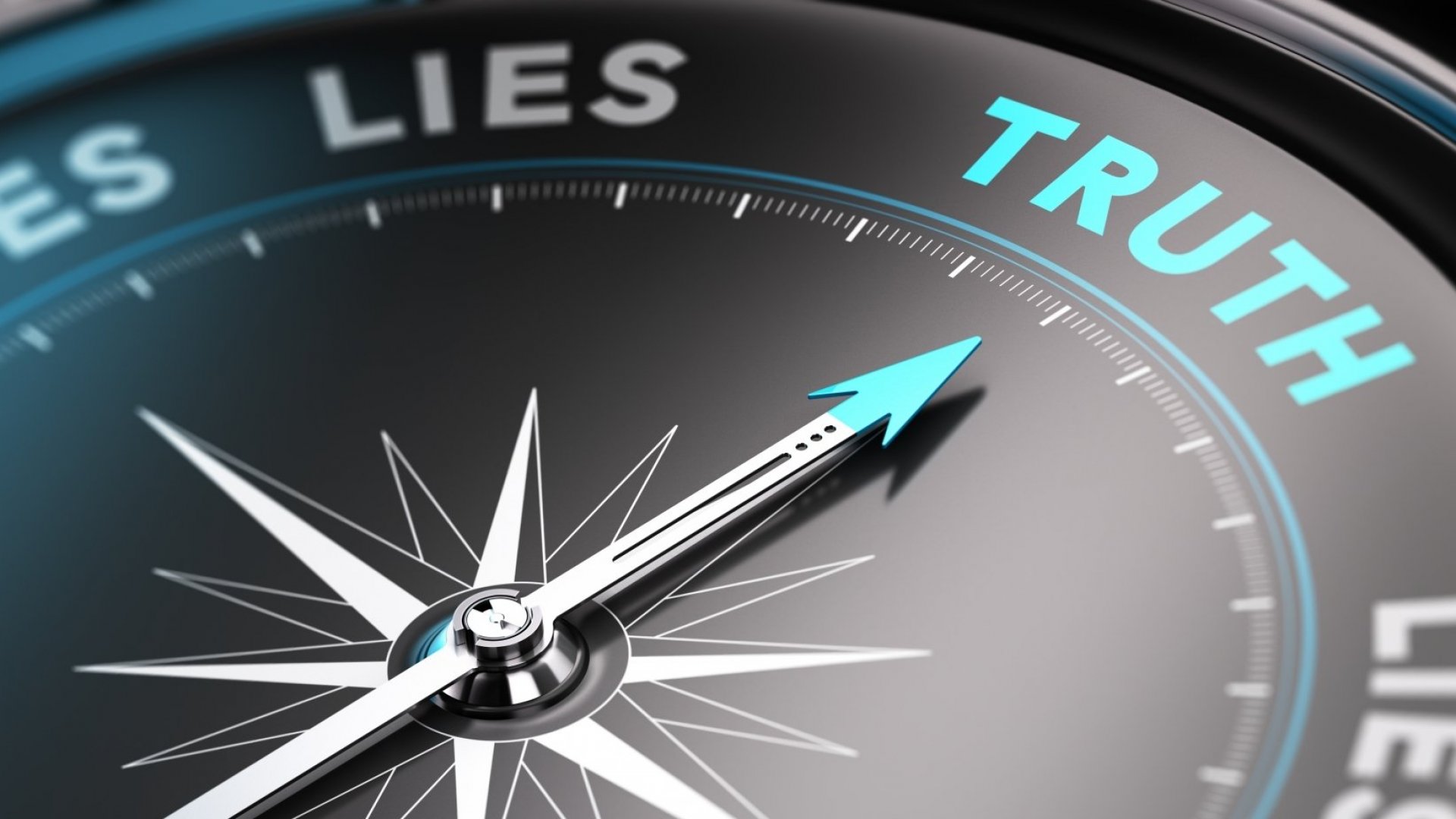
The problem is that we live in a world of ‘relative truth’ where it has become fashionable to spin the truth to make it suit our own particular position or point of view. Regardless of the rights and wrongs of these situations, it then becomes hard (if not impossible) to tell what really happened when people constantly tell us a story spun to suit their own particular needs and agendas. Absolute truth can be inconvenient when it doesn’t suit us. It is therefore no wonder that we have seen a rise in fact checking organisations such as BBC Verify, in modern day journalism, to try and help us see through the fake news and establish the facts.
The problem is that bias and spin erodes confidence, faith and trust. How do you know who or what to believe?
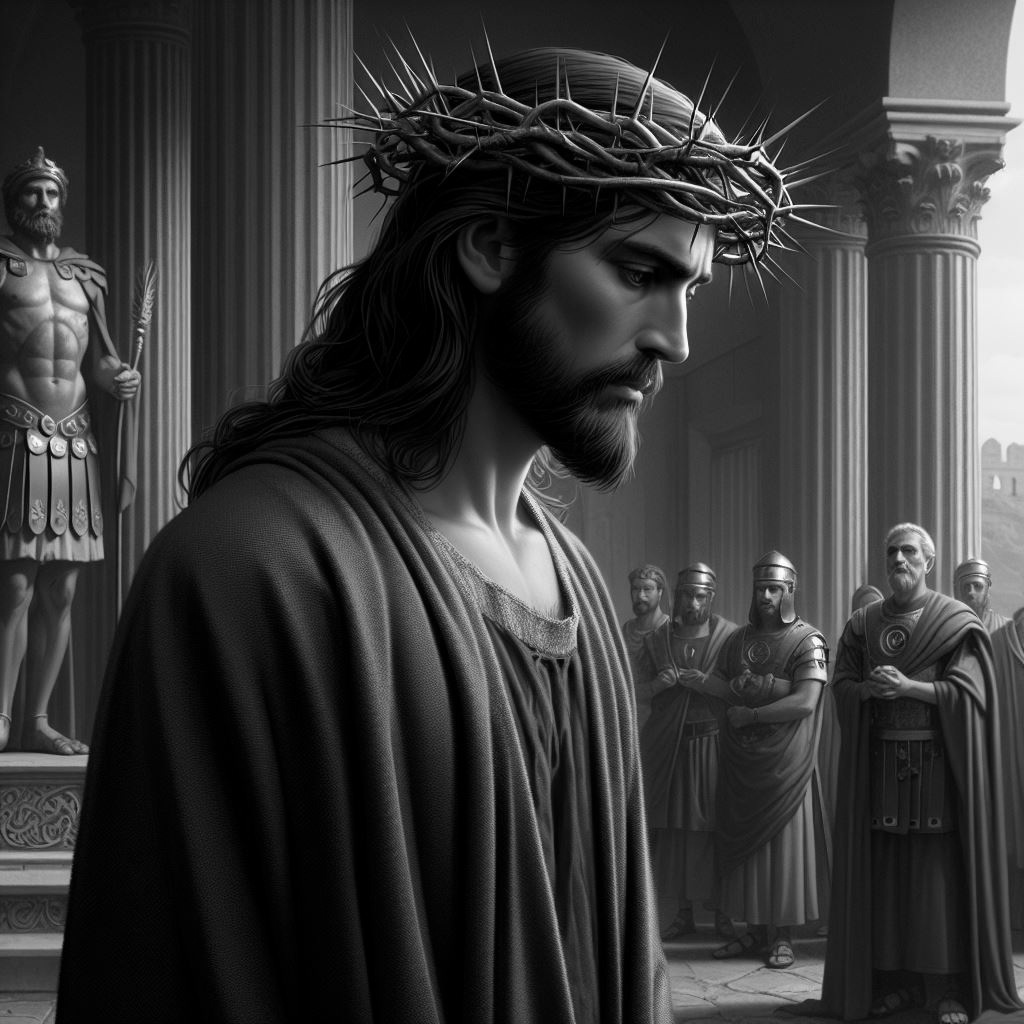
“What is truth?”, Pontius Pilate had replied when Jesus had said, “Everyone on the side of truth listens to me” (John 18.37-38). How was Pontius Pilate to know? How could he glean the facts? Who could he trust? In response to his question to Jesus, “Are you the king of the Jews?”, Jesus had replied, “Is that your own idea … or did others talk to you about me?” and now Pontius Pilate was floundering! Pontius Pilate was a powerful individual, but he was at the mercy of the religious leaders and authorities of his day who had lied and spun him a story to suit their own agendas. He didn’t know the facts and he didn’t know Jesus – all he could do was judge Jesus by his actions and his character. Those who are familiar with the story will know the intricacies of this encounter, but it soon became clear to Pilate that Jesus was not a mad man, nor a revolutionary nor a coward pleading for his life – he was a man with a great sense of special divine purpose. “You would have no power over me if it were not given to you from above”, meaning God (John 19.11), Jesus had said.
Today, like Pontius Pilate, we are so often left floundering as we try to discern the truth, but like him we need to try our best to establish the facts and (prayerfully I suggest) discern motive, character and purpose, asking ourselves who gains what and at what cost? Are they purely self-seeking or genuinely seeking the best for others? Are they trustworthy?
With regard to Jesus, Pontius Pilate actually concluded, “I find no basis for a charge against him” (John 19.6). But the political tide led him on a course that was contrary to his instincts. He was so caught up in the political spin of his day that ultimately, he didn’t have the courage of his convictions – and in that there is surely a lesson for us all!
“If you hold to my teaching …. you will know the truth, and the truth will set you free.” John 8.31-32
If you would like to support the ministry of the Necton Benefice or make a one-off donation this QR code will take you to the appropriate website – Thank you and God bless








 Stephen Thorp