

It was the writer of Ecclesiastes who said:
1There is a time for everything, and a season for every activity under heaven … 8 a time to love and a time to hate, a time for war and a time for peace. (Ecclesiastes 3.1,8)
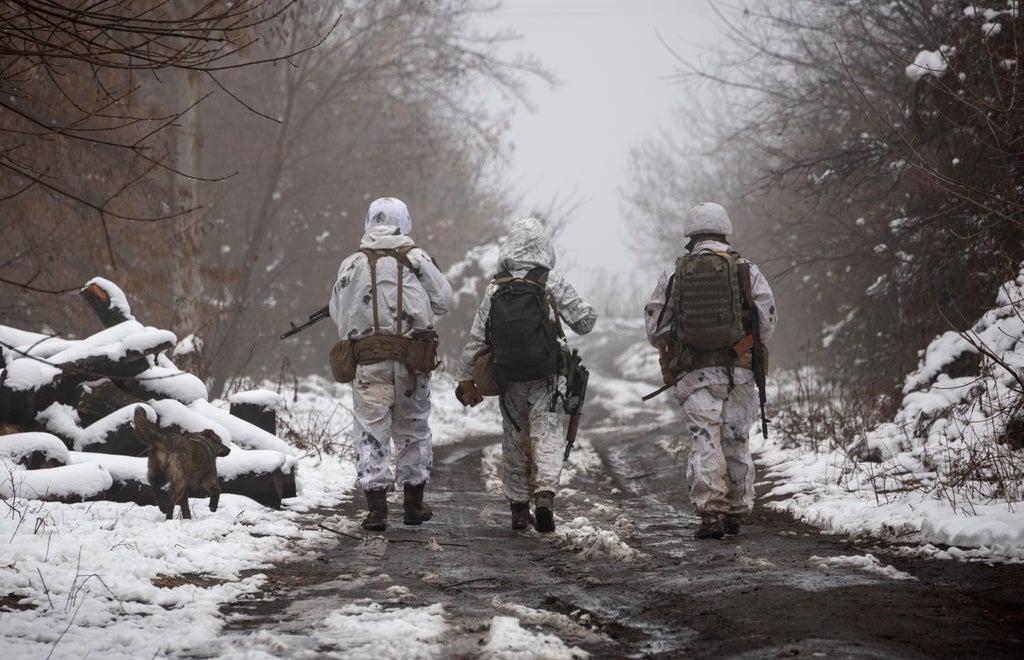
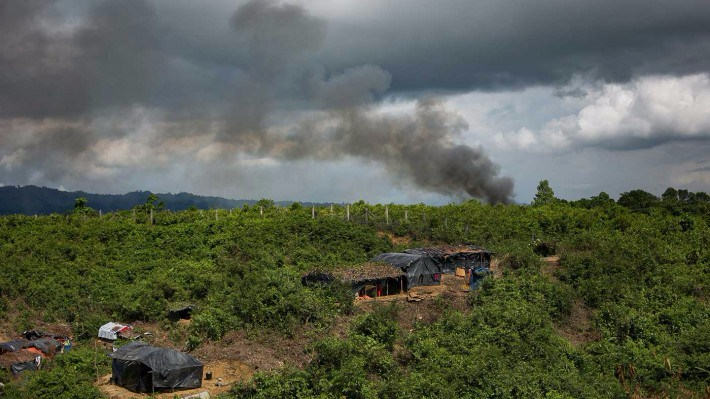
But the problem is with so much hurt caused by war, and with conflict in both Europe and the Middle East, how do you know the ‘right’ time to go to war and can it ever be just?
Even before we can consider this question, we must be unequivocally clear that war is terribly costly and will always be a dreadful, dreadful tragedy – the price of which for many in terms of human life and suffering will always be too much and the misery unbearable – and that’s even before we have considered the subsequent damage caused to society, economics and the environment. War is awful and must always be considered a last resort!
So how can we possibly contemplate it and ever call it just? Well, there are six conditions generally required for a war to be classified as just.
- The reason for going to war in the first place must be just. i.e. a morally right or just cause, such as defending a nation (Revelation 19.11).
- The war must be called by a legitimate legally recognised national authority such as a government. It can’t be called by private individuals or corporations (Romans 13.1).
- There must be a genuine desire for comparative justice. It should be clear that the actions of the enemy are morally wrong and that the motives of one’s own government should be, in comparison, morally right. There must be a genuine intention to establish good and restrain evil (Proverbs 21.2). Revenge, conquest, economic gain and matters of ideological superiority are poor motives for conflict and do not remotely satisfy the conditions for a just war.
- There must be a reasonable chance of success (Luke 14.31); will the good results that come from victory be significantly greater that the harm and loss caused?
- Only sufficient force must be used, and civilians should not be involved. Will conflict be proportionate and conducted with a right intention discriminating between combatants and noncombatants? Will those captured be treated with justice and compassion according to the rights and norms set out by international law?
- Finally, as mentioned previously, is the war a matter of last resort; have all other diplomatic avenues and possibilities been extinguished?
These are the generally accepted criteria for a just war, made all the more difficult when it’s impossible to distinguish between military personnel and civilians, which is sadly so often the reality in many theatres of war. Which is why the Christian and many others will appreciate the Gospel imperative to ‘love your neighbour as yourself’ (Mark 12.31), living together in love and peace – and Jesus’ own words, ‘Blessed are the peacemakers, for they will be called children of God’ (Matthew 5.9).
So let us continue to pray for our governments and world leaders, that they will do everything they can to live justly, to promote peace and protect the innocent.
“The fruit of righteousness will be peace.” Isaiah 32.17








 Stephen Thorp