In a world of fake news, propaganda and spin – how do we recognise the truth?  

‘What is truth?’

A day after a massive Russian attack killed 35 people as they headed to church on Palm Sunday, and injured 117 others in Sumy, Ukraine, President Donald Trump, the most powerful man in America, once again blamed President Volodymyr Zelensky for starting the war with Russia. “You don’t start a war against someone 20 times your size and then hope that people give you missiles…. When you start a war, you got to know you can win.”  The historical context is complex but these statements are at odds with the recorded invasion of Ukraine by Russia in February 2022 and the earlier annexation of Crimea by Russia in 2014, in violation of international law.

A similar spinning of reality can be seen with the bombing of the al-Ahli hospital in Gaza City which coincidentally was also on Palm Sunday. This private hospital run by the Anglican Church, was the last functioning hospital in Gaza. The Israeli military said it had hit a ‘command and control centre’ used by Hamas to plan attacks, but so far they haven’t given any evidence to justify their claim.

The problem is that we live in a world of ‘relative truth’ where it has become fashionable to spin the truth to make it suit our own particular position or point of view. Regardless of the rights and wrongs of these situations, it then becomes hard (if not impossible) to tell what really happened when people constantly tell us a story spun to suit their own particular needs and agendas. Absolute truth can be inconvenient when it doesn’t suit us. It is therefore no wonder that we have seen a rise in fact checking organisations such as BBC Verify, in modern day journalism, to try and help us see through the fake news and establish the facts.

The problem is that bias and spin erodes confidence, faith and trust. How do you know who or what to believe?  
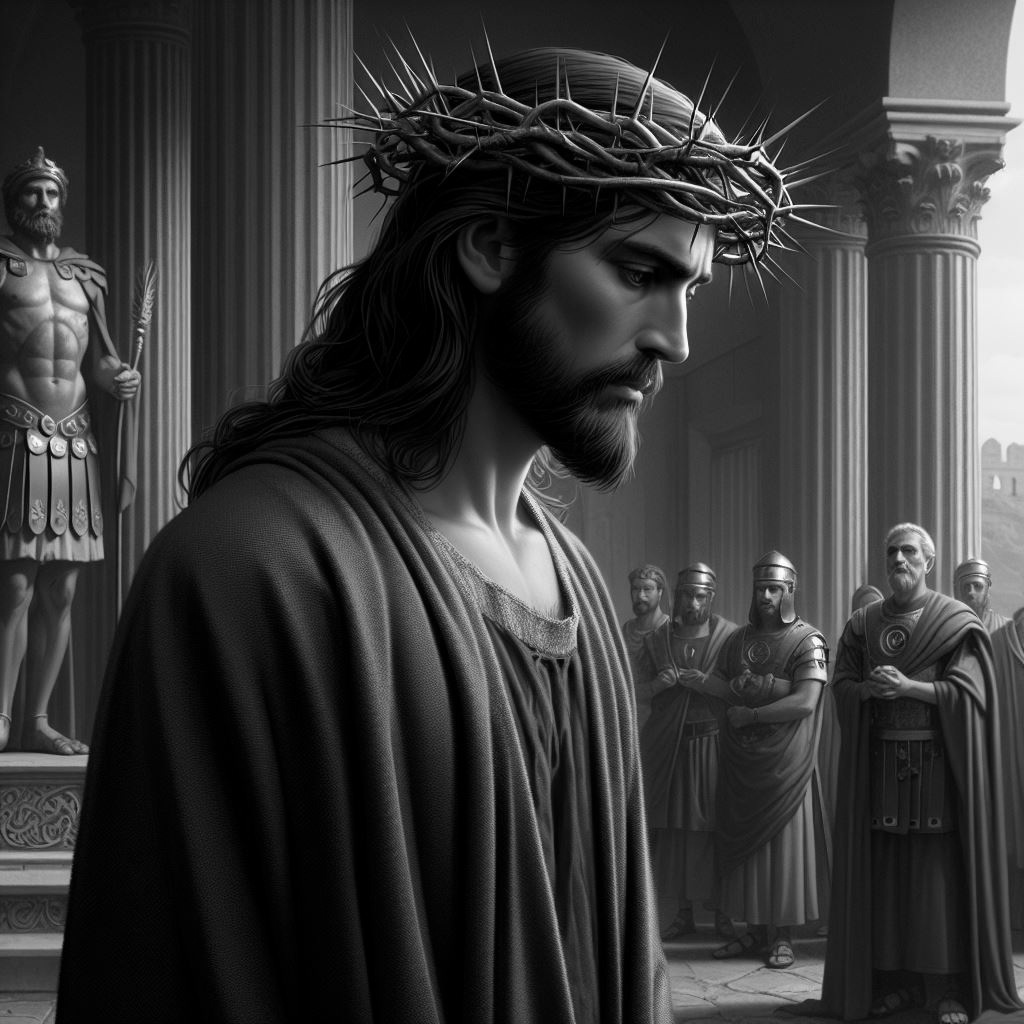
“What is truth?”, Pontius Pilate had replied when Jesus had said, “Everyone on the side of truth listens to me” (John 18.37-38). How was Pontius Pilate to know? How could he glean the facts? Who could he trust? In response to his question to Jesus, “Are you the king of the Jews?”, Jesus had replied, “Is that your own idea … or did others talk to you about me?” and now Pontius Pilate was floundering! Pontius Pilate was a powerful individual, but he was at the mercy of the religious leaders and authorities of his day who had lied and spun him a story to suit their own agendas. He didn’t know the facts and he didn’t know Jesus – all he could do was judge Jesus by his actions and his character. Those who are familiar with the story will know the intricacies of this encounter, but it soon became clear to Pilate that Jesus was not a mad man, nor a revolutionary nor a coward pleading for his life – he was a man with a great sense of special divine purpose. “You would have no power over me if it were not given to you from above”, meaning God (John 19.11), Jesus had said.

Today, like Pontius Pilate, we are so often left floundering as we try to discern the truth, but like him we need to try our best to establish the facts and (prayerfully I suggest) discern motive, character and purpose, asking ourselves who gains what and at what cost? Are they purely self-seeking or genuinely seeking the best for others? Are they trustworthy?

With regard to Jesus, Pontius Pilate actually concluded, “I find no basis for a charge against him” (John 19.6). But the political tide led him on a course that was contrary to his instincts. He was so caught up in the political spin of his day that ultimately, he didn’t have the courage of his convictions – and in that there is surely a lesson for us all!


If you would like to support the ministry of the Necton Benefice or make a one-off donation this QR code will take you to the appropriate website – Thank you and God bless

With war in Europe and the Middle East – how do you define a just war?


  1. The reason for going to war in the first place must be just. i.e. a morally right or just cause, such as defending a nation (Revelation 19.11).
  2. The war must be called by a legitimate legally recognised national authority such as a government. It can’t be called by private individuals or corporations (Romans 13.1).
  3. There must be a genuine desire for comparative justice. It should be clear that the actions of the enemy are morally wrong and that the motives of one’s own government should be, in comparison, morally right. There must be a genuine intention to establish good and restrain evil (Proverbs 21.2). Revenge, conquest, economic gain and matters of ideological superiority  are poor motives for conflict and do not remotely satisfy the conditions for a just war.
  4. There must be a reasonable chance of success (Luke 14.31); will the good results that come from victory be significantly greater that the harm and loss caused?
  5. Only sufficient force must be used, and civilians should not be involved. Will conflict be proportionate and conducted with a right intention discriminating between combatants and noncombatants? Will those captured be treated with justice and compassion according to the rights and norms set out by international law?
  6. Finally, as mentioned previously, is the war a matter of last resort; have all other diplomatic avenues and possibilities been extinguished?

Russia and the United Kingdom – a tale of two elections!


What can ‘Mr Bates v The Post Office’ teach us about Lent?


Pray for the peace of Jerusalem this Remembrance Season

It has been heartbreaking listening to the BBC news stories coming out of Israel in recent days. Stories like that of twenty-two year old Neta Portal telling the news reporter how, despite being shot in the leg six times, she had survived with her boyfriend the terrible massacre carried out by Hamas on the Israeli kibbutz at Kfar Aza – or seeing Mariam, a young British Palestinian girl, expressing her fears of dying as she clutches her British passport in the hope that the Rafah gate might be opened, granting her safe passage into Egypt. These stories remind us that in times of conflict it is always the innocent who suffer.

Let’s be clear, what Hamas did was barbaric and Israel has every right to defend itself – and yet we pray and hope that they will have a higher regard for civilians than the terrorists. The Israeli / Palestinian conflict is complicated, but the truth is that ever since the 1948 Arab-Israeli War, Israel has made a number of concessions, offers and overtures to its Palestinian neighbours which would create a Palestinian state (even voluntarily giving up its worship upon the Temple Mount) all of which have ultimately been rejected by the Palestinian leadership, leading to the current unsatisfactory situation. And yet relations in the wider Middle East have been improving and things were looking better than they had been for years – all of which has now been blown away by the recent attack by Hamas, sponsored by Iran.

The irony is that the word ‘Jerusalem’ means ‘foundation of peace’ incorporating the Arab word for peace ‘salam’ as in ‘As-salamu alaykum’ meaning ‘peace be upon you’  and this is akin to the Hebrew word ‘shalom’ also meaning ‘peace’, ‘tranquillity’ and ‘wholeness’, but it’s not just a simple sort of peace but a deeply rich sort of peace that belongs to God himself. So, in a city and a part of the world which has such a high regard for peace, it’s incredibly sad that there is so much anger, hostility and hatred.

The Christian will be aware that the prophet Isaiah predicted a time when ‘every warrior’s boot used in battle and every garment rolled in blood would be destined for burning and used as fuel for the fire’ (Isaiah 9.5) because ultimately God’s messiah would arrive and put things right, and he would be called ‘Wonderful Counsellor, Mighty God, Everlasting Father and Prince of Peace (‘sar shalom’)’ (Isaiah 9.6), and that person is of course Jesus who, after his death and resurrection, met his frightened disciples in a locked room and said ‘peace be with you’ (John 20.19).

So as we approach Remembrance Sunday, let us be grateful for the peace that we currently enjoy, made possible by those who sacrificed so much to look after and protect us in past years, but may we also be wise enough to pray for Jerusalem and the peace of the world, trusting that God’s wisdom, and the loving, peaceful spirit of Christ, might touch all our hearts.


Can we afford to celebrate Christmas?

The greatest gift of all: The birth of Jesus Christ

I’m writing this letter the day before Prime Minister Rishi Sunak and his Chancellor Jeremy Hunt reveal their Autumn Statement, and many people are wondering about how they will be affected by their policies. The three wise men may have been able to afford their extravagant gifts of gold, frankincense and myrrh, but for many the ‘cost of living’ crisis currently fuelled by higher energy prices, high inflation and fewer resources has meant that Christmas is rapidly losing its sparkle. A recent survey suggests that 42% of people are worried about how they will pay for Christmas this year compared to previous years and the media is full of sad stories and advice on how people can make ends meet. Martin Lewis, the Money Savings Expert states that most people start from the wrong place; “They have a perfect Christmas pictured in their mind of everything that they want and exactly how it is going to be, and then they try and work out how they can do it. Please don’t do that. That’s likely to lead to debt and disappointment. Decide on how much you are going to spend on Christmas this year and stick to it.”

The Christian will be aware that although presents are nice, Christmas is not really about presents at all, but about a God who loved the world so much that he freely stepped out of the majesty of heaven, becoming as the ‘Son of God’ a man born in Bethlehem to poor parents. He did this, so that we ‘as poor as we are’ might get to know him in a deeper, better and more profound way, trusting that his love, (ultimately demonstrated for us by his death on the cross) might not only lead to our salvation and the forgiveness of our sins but offer us a better, brighter and more positive future, for as the Apostle Paul once said ‘for your sake he became poor, so that you through his poverty might become rich’ (2 Corinthians 8.9).

Yes, the wise men may have offered Jesus expensive gifts as part of their worship, but in truth Christmas is really all about God’s good gift in Christ to us – and so on his birthday, what might he want most of all? An expensive lavish present? Not at all! He simply wants to be your friend as you put your faith and trust in him.

It’s a gift that grows with the receiving, each day becoming more and more satisfying as we come to appreciate and learn just what God has done for us in the person of Christ.

It is my hope that you will all have a really lovely Christmas with your respective families and friends, but not allow the finances to get in the way of your celebrations, but simply rejoice in each other’s company as God in love and ‘in Christ’ rejoices in you.

May I on behalf of my family and all the parishes I represent wish you all a very happy Christmas and a worry free, peaceful new year.  

What can I give him, poor as I am?
If I were a shepherd I would bring a lamb;
if I were a wise man I would do my part;
yet what I can I give him – give my heart.

From ‘In the bleak mid winter’ by Christina Rossetti

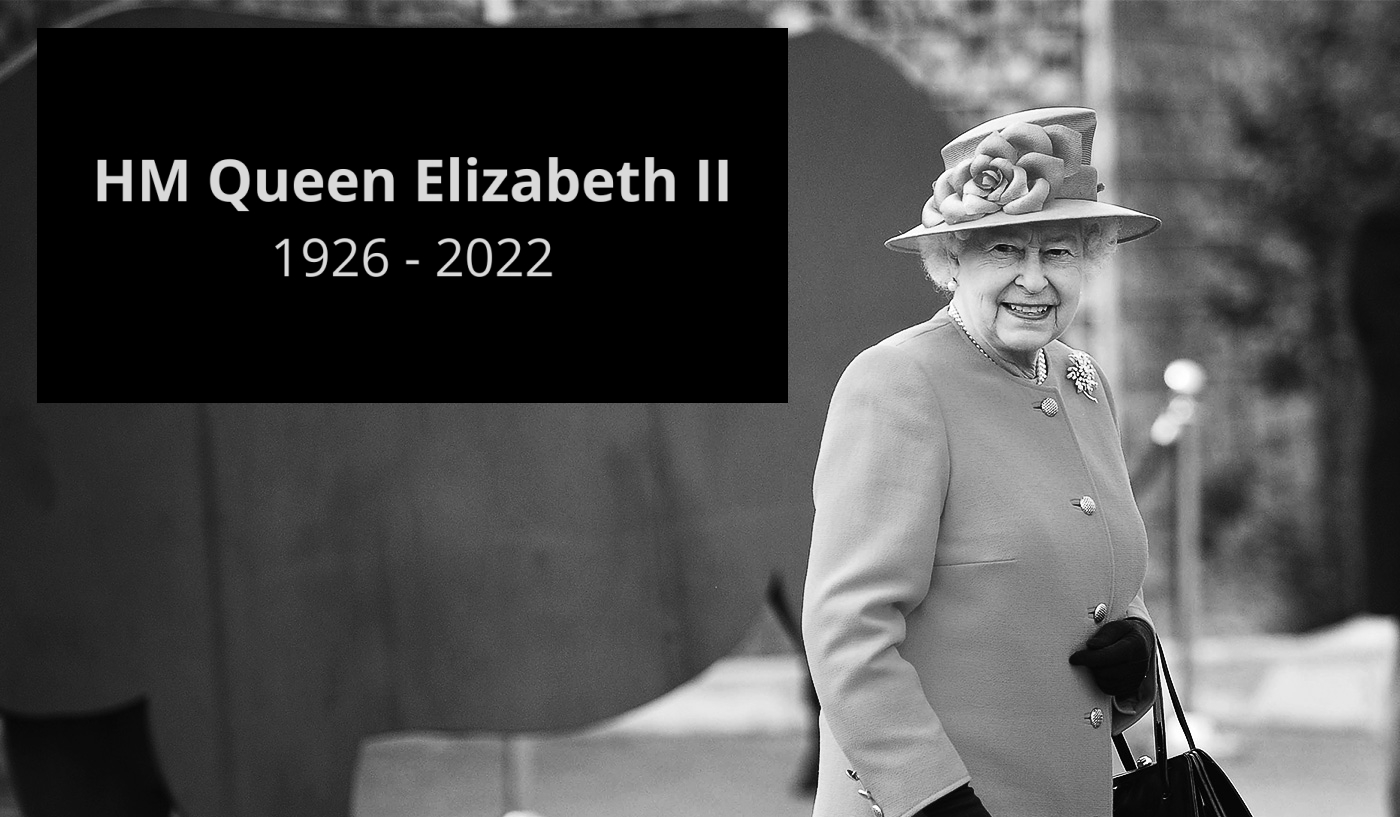
The Queen Is Dead: God Save The King!

By the time you get to read this letter, the period of mourning for our late Queen, HM Queen Elizabeth II will be over. The parades, The Queue, formal lying-in-State and the funeral will all have come to an end, although our heartfelt praise and gratitude for Her Majesty and her long and glorious reign will last for ever. There will always be a special place for her, both in our history and the heart of the nation – and yet now in this period after the funeral we have an opportunity for quiet thought and reflection.

Perhaps one of the most striking things that struck visiting Presidents, Prime Ministers and other Heads of State, was that despite their constant praise of Queen Elizabeth as being ‘a rock’, and a ‘constant and invaluable presence’ (considering that she had witnessed 15 different Prime Ministers and 14 US Presidents during her reign), was the instant and seamless flow from one Sovereign to another; the Sovereign may have died but the Monarchy lives on; the Queen is dead; God save the King! This is not to show any form of disrespect, but to ensure that the life of the nation is maintained even in periods of great sadness and difficulty. The fact that Prince Charles became King Charles III upon the death of his mother, even before there was any formal proclamation or act of accession feels extraordinary to foreign dignitaries (and a great relief to those of us who have just witnessed the latest Conservative leadership contest). It’s the monarchy which helps bring this sense of constancy so admired by others, and perhaps most poignantly summed up by the Queen’s own words that “I find that one of the sad things is that people don’t take on jobs for life”.

Inevitably the sad death of the Queen will bring a period of uncertainty and change to those who have known nothing else, but the new King’s dedication to follow his late mother’s sense of Christian service and duty has been both comforting and reassuring. It’s also comforting that the Christian and religious nature of much of the past proceedings has brought a comfort and consolation to many, regardless of their own religious faith or lack of it – all are welcome here. Elizabeth was our Queen and now Charles is our King.

However, the Christian will also have a sense of another constancy in their lives, one that is central and a bed-rock to all that they say and do, bringing much comfort, strength and peace, and that is of course in God whose eternal nature was most wonderfully demonstrated through the life, death and resurrection of Jesus Christ, who is both God incarnate, and ‘Sovereign Lord and King’. His majesty and eternal promise gives us strength in times of difficulty, peace in times of uncertainty, hope for the future and comfort even beyond the grave. So as we look to the future of our nation, may we all celebrate our new earthly monarch and put our faith in the one in whose name he serves.     


“And surely I am with you always …” Matthew 28.20

Praying for Parliament, Politicians and the Prime Minister

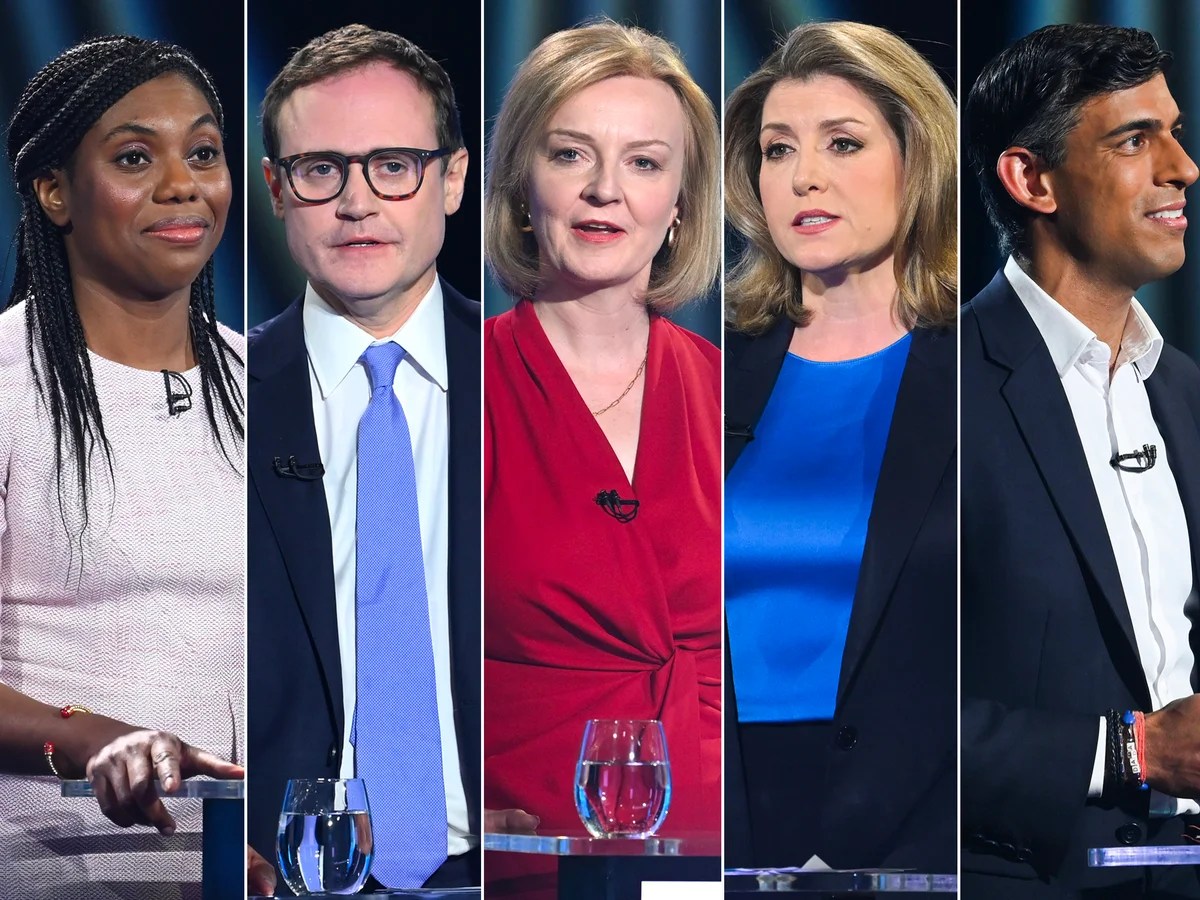
Things are certainly hotting up today, for not only has The Met Office issued a red warning (level 4) indicating a state of national emergency as the country braces itself for a heat wave that could exceed 40oC,  but also Conservative politicians are in a race to see who will be the next leader of the Conservative party and with it, the next Prime Minister. At the time of writing 5 candidates remain, Kemi Badenoch, Penny Mordaunt, Rishi Sunak, Liz Truss and Tom Tugendhat and as they appeared in the first TV debate, sparks began to fly.

But whatever your politics or personal preference, it’s worth taking a step back and asking yourself seriously, who would really want the job at this particular time in the nation’s life?  Oh yes, there is certainly plenty of power, prestige and glory to be had if you get things right and make the right decisions, but if you get things wrong, or make a mistake or simply have a run of bad luck, you can very quickly find all that power and authority slipping away from you, as Boris Johnson was to discover, and before you know it – you’re toast! Or as Boris Johnson strangely put it ‘them’s the breaks’. And of course the problems upon any future successor are considerable, such as the cost of living crisis and inflation (with huge pressures by trade unions for higher wages and pay settlements); sorting out the Northern Ireland protocol and making the most of Brexit; and most seriously of all, the terrible war in Ukraine which looks like it is only going to get worse before it gets better, leading to an immense loss of life, tremendous pain and suffering, and global food shortages exasperated by climate change; not forgetting that the coronavirus is still with us. Any one of these would be a real headache for any Prime Minster, but to face them all at once is an immense challenge.

The Bible encourages us to pray ‘for kings and all those in authority, that we may live peaceful and quiet lives in all godliness and holiness’ and whatever your politics or religious outlook, we should all prayerfully, support and encourage our politicians to act with fairness, honesty and integrity, and with strength to meet the challenges of the day upon which all our lives depend.     

I urge, then,… that …prayers, …be made for everyone— for kings and all those in authority, that we may live peaceful and quiet lives in all godliness and holiness.

1 Timothy 2.1–2

Where is the truth and does it matter?

I think we can all agree that today (15th June) was a bad day for the Prime Minister, for not only did the EU restart its legal proceedings against the government plans to unilaterally scrap parts of the Northern Ireland Protocol, but also a fiercely heated debate took place over ‘who understood what’ at the time of signing the Brexit deal and how it should be practically interpreted – with the European Commission vice-president Maros Sefcovic effectively accusing the British government of lying to the general public. Secondly, Lord Geidt resigned from his position as Boris Johnson’s independent ethics advisor stating that there was a legitimate question as to whether the Prime Minister broke the ministerial rules over Partygate. Once again, the whole issue of ‘who knew what’ and who was lying came to the fore.

The problem is that we live today in a postmodern world where it is fashionable to believe that there is no such thing as absolute truth; all truth is said to be relative, depending upon your own particular point of view, which in the realm of politics (and much of society at large) tends to mean that ‘the truth’ becomes whatever suits me and is the most convenient and practically expedient. In fact, in recent years,  the most expedient thing has often been to deny the truth completely. We saw this in Donald Trump’s use of the term ‘Fake News’ to dismiss anything that he didn’t agree with, and his false accusation that the US Presidential election result was rigged, which in recent days even close family members and political advisors have dismissed as nonsense. Sadly, we have seen the most serious and blatant denial of truth coming from Russia, as President Putin conducts his ‘special military operation’ within Ukraine, which most observers would have no hesitation in calling a war, which has disastrous consequences for us all.

The problem with all this political spin, ‘fake news’ and propaganda is that it erodes trust as people lose faith in their political leaders and become disillusioned and suspicious instead. What can we believe and where can truth be found?

One’s own perspective of the world is greatly determined by one’s values and what one believes, which is why for many, Christianity offers a bedrock of security in a sea of change and relativity, for in the person of Jesus, we see a man who as the ‘Son of God’ not only had a great love and compassion for the world, but also kept his promises, living a life full of integrity and truth, backing up his words with action. Jesus had described himself as ‘the way, the truth and the life’ (John 14.6), offering his disciples not only a way to his Father in heaven but ‘life in all it’s fullness’ (John 10.10) and a ‘truth that will set you free’ (John 8.32). Despite the fact that the people were living in difficult and uncertain times, because he spoke with such authority and lived with such integrity, people were willing to embrace his words ‘do not let your hearts be troubled. Trust in God, trust also in me’ (John 14.1), and many people did trust Jesus because not only were his words trustworthy and true, but also so were his actions, as ultimately demonstrated by his life, death and resurrection.

As much as I would like everyone to enjoy a firm confidence in Christ, I’m also certain that we need to step back from a world where ‘all things are relative’ but have the confidence of one’s own convictions, for paraphrasing a comment made by Jeff Myers, a Christian commentator – ‘If something is true, then it is true whether we admit it, like it or not! May we and all our politicians live in the light of such certainty, and within it foster a high regard and appreciation for the truth.


 31 Jesus said, “If you hold to my teaching, you are really my disciples. 32 Then you will know the truth, and the truth will set you free.” John 8.31-32

God bless The Queen

Queen Elizabeth II leaves after attending the opening ceremony of the sixth session of the Senedd in Cardiff. Picture date: Thursday October 14, 2021.

“I declare before you all that my whole life whether it be long or short shall be devoted to your service… But I shall not have strength to carry out this resolution alone unless you join in it with me, as I now invite you to do: I know that your support will be unfailingly given. God help me to make good my vow, and God bless all of you who are willing to share in it.”

Princess Elizabeth, 21st April 1947

These words spoken four years before King George VI died on 6th February 1952, show how greatly aware the young Princess Elizabeth was of her role and life as the nations’ future Queen. You could say that these words were spoken not only in anticipation of that event, but to prepare the nation that one day it would eventually come (as we are seeing similar signs today), and when it did, the young princess immediately became Queen at the age of 25, although her Coronation wasn’t until 2nd June 1953. Although it hasn’t always been easy, the Queen has remained a faithful servant to the United Kingdom and its citizens, gaining huge respect, here and abroad, and especially so in her role as the head of the Commonwealth. On the 6th February 2022, she became the first British Monarch to reign for 70 years and we will celebrate her Platinum Jubilee at the beginning of June – what a wonderful achievement!

Of course, over the past 70 years our nation has seen immense change, in terms of medical, technological and societal advances, and our economy has sometimes had to take the rough with the smooth, but in all that time the Queen has been a steadfast constant and stabilising influence, comforting many who had lived with her through the war years, and demonstrating how it is possible to embrace the future with a quiet and confident optimism. Her mature and majestic example has been a great source of inspiration and admiration both to world leaders and members of the general public.

No doubt, alongside her late husband Prince Philip, the Queen has been greatly sustained by her Christian faith which she has spoken about more naturally and openly in recent years, most notably through the broadcast of her Christmas messages. Her royal upbringing and personal faith in Jesus Christ as her Lord and Saviour has not only enhanced her sense of duty, but given her a greater understanding of Christian service and a better perspective of what is truly worthwhile and of lasting value.

As we collectively say ‘thank you’ to Her Majesty for 70 years of loyal service, may her life continue to be an example and encouragement to us all. May God bless the Queen!


Lord of our lives and Father of all, let our thanksgiving prove itself in service to you and to our Queen, our country and one another, for your Name’s sake. Amen.

Prayer of Dedication from the Silver Jubilee Year