Easter hope in the midst of conflict!

Ukranian Easter Egg

I write this letter on the day that President Zelensky of Ukraine spoke to the US Congress, thanking them for their help but also appealing for them to do more, most notably the establishment of a no-fly zone, ‘closing the sky’. Whatever we may think about the prudence of such an action, the disappointment from a Ukrainian point of view is easy to understand. This war has generated a huge wave of emotion in us all, whether it be a profound shock and disbelief that it could happen in the first place; to anger and despair as we witness the appalling suffering; to quiet admiration at the courage & stoicism of the people as they resourcefully defend their country; coupled with a huge amount of sadness, pity and compassion for the people who have suffered and lost so much. Yet at the same time we admire the extraordinary acts of kindness and generosity of surrounding nations as they open their hearts and their homes to take care of refugees and provide medical and humanitarian assistance where they can.

In the face of so much suffering, it would be easy to lose heart and lose faith wondering – just where precisely, is God is in all this? But of course, God is at work in the hearts of all those who are trying to look after their loved ones and those less fortunate than themselves. He’s in the compassion of doctors and nurses, trying to save lives and bind up the wounded. He’s in the voice of Russian protesters who are trying to speak truthfully to their neighbours in the light of false propaganda. He’s in the massive effort of governments, humanitarian agencies and charities all trying to act as one to relieve suffering and promote peace. Not forgetting to mention those who literally put themselves in harm’s way while trying to protect others. Finally, he’s in all our tears and prayers as we determine together that there must be a better way of being and living life.

Indeed, the Christian will recall that it is for this better way of life that Jesus came. His message was constantly about how we should ‘love God and our neighbour as ourselves’ (Matthew 19.19). In fact, it was precisely because we were so bad at doing this, wishing to promote our own agenda and thinking that we knew better than God, that sin came into the world in the first place, resulting in pain, suffering and death. But Jesus’ death upon the cross was the start of God putting things right, for when we recognise that the death he died, he died for us, and put our faith and trust in him as our Lord and Saviour, then we are forgiven our sins and given the chance to start again. But of course, Christ’s death is not the end of the story, for Christ’s divinity is demonstrated not only by the way he died, but by the way he rose again! The resurrection is therefore the basis of our Christian Easter hope, giving us, by faith, not only the strength to meet the challenges of today, but also a sure and certain hope for all eternity. May this be a real source of peace and comfort to each of us as we continue to demonstrate the love that God has for us in the way that we live and treat one another.  

Happy Easter to you all.                 


Let the peace of Christ rule in your hearts, since as members of one body you were called to peace. And be thankful. Colossians 3.15

A Prayer for Ukraine

God of peace and justice,
we pray for the people of Ukraine today.
We pray for peace and the laying down of weapons.
We pray for all those who fear for tomorrow,
that your Spirit of comfort would draw near to them.
We pray for those with power over war or peace,
for wisdom, discernment and compassion to guide their decisions.
Above all, we pray for all your precious children, at risk and in fear,
that you would hold and protect them.
We pray in the name of Jesus, the Prince of Peace.
Amen

Archbishop Justin Welby
Archbishop Stephen Cottrell

When war is looming, it’s essential that we act with wisdom, integrity & prayer!

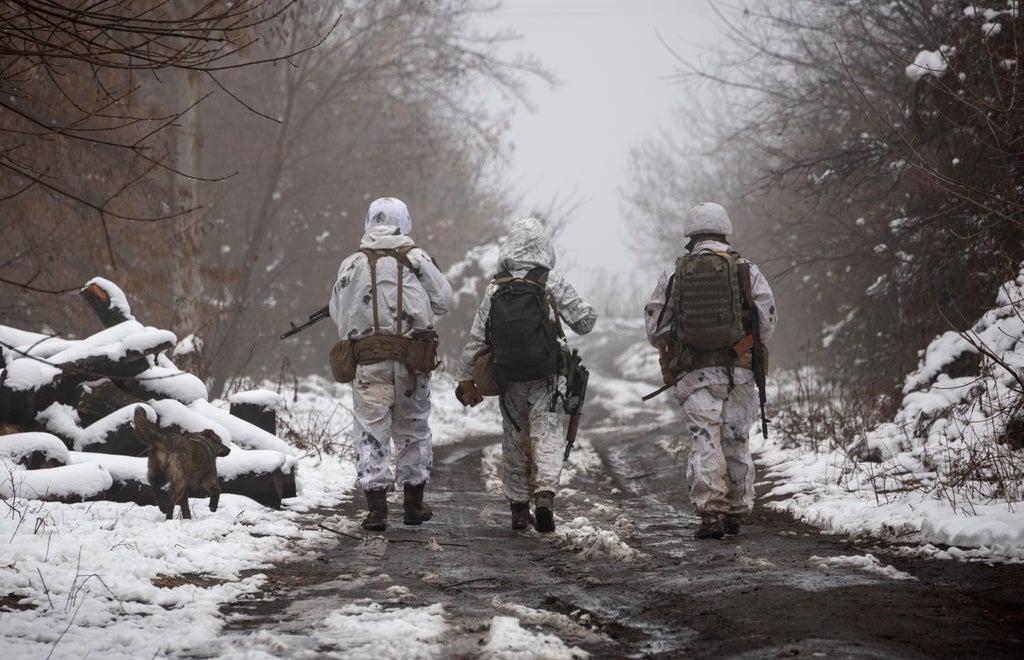
As I write this letter, the West is becoming increasingly alarmed by the number of Russian troops gathering on the borders of Ukraine. President Putin has repeatedly said that Russia has no intention of invading Ukraine, and his government has repeatedly accused the West of ‘histrionics’. In fact, hopes raised by President Putin’s recent statement that the Kremlin has authorised a partial withdrawal of its forces were quickly dashed by NATO’s chief, Jens Stoltenberg who insisted that satellite imagery showed no evidence of such a withdrawal, in fact, strategically, quite the reverse. This was swiftly followed by Liz Truss our own foreign secretary urging the West at a press conference in Kyiv, to ‘wise up’ in its dealings with Russia.

She no doubt has a point – when war is looming, and peoples’ lives are at stake it is beholden upon all of our national leaders to act with prudence, wisdom and caution. Concerns that Russian information might be misleading or that their tacticians might be engineering a so called ‘false flag’ provocation to justify a military invasion of Ukraine are as shocking as they are deceitful. This is why the West must ensure that it acts with wisdom and integrity, powerfully speaking to those who threaten harm, and with care to those who are in harm’s way. Every nation has the right to defend itself, but the engagement of warfare should always be a last resort.

The Christian will be aware that although Jesus commanded his disciples ‘to love your neighbour as yourself’ (Matthew 19.19), he also commanded them to ‘love your enemies and pray for those who persecute you’ (Matthew 5.44). This is not a soppy, sentimental, ‘wishy-washy’ sort of love, but a love that allows the individual to keep a clear head and a clear perspective, not allowing oneself to descend into a mindless anger or hatred. Let’s pray that our national leaders will continue to act with as much tact and diplomacy as they can muster to encourage peace and deter the minds of those who might be tempted to go to war out of greed and evil self-interest.    

    “Do not repay anyone evil for evil. Be careful to do what is right in the eyes of everybody. If it is possible, as far as it depends on you, live at peace with everyone.” Romans 12.17-21


———-

Since writing this initial post, Russia has invaded Ukraine, we therefore continue to pray for the people of Ukraine, and trust that they will not only be able to endure this ordeal with integrity and courage, but that the Western nations will do all that they can to ease their suffering, confront aggression and promote peace.


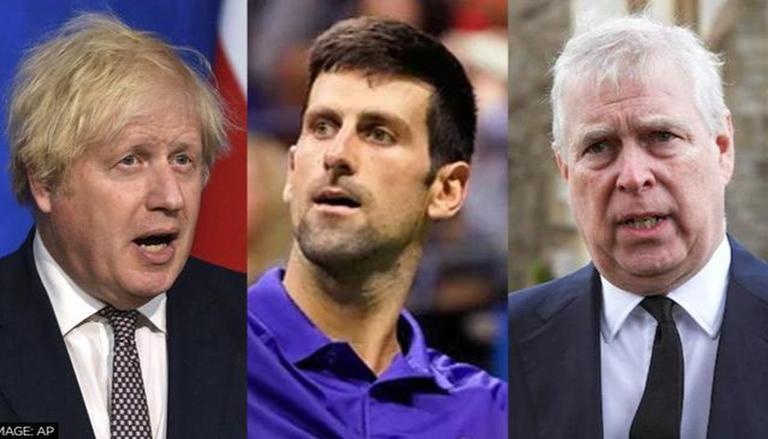
What do Boris Johnson, Prince Andrew and Novak Djokovic all have in common?


They all believed that they were free to do as they wished with little thought of the consequences or how their actions might be felt, perceived, or viewed by others. Sue Barker, the BBC’s tennis commentator and presenter, was spot on when she spoke to Radio 4 about Novak Djokovic being thrown out of the Australian Open because of his lack of vaccination status.

“We wanted the No 1 player in the world. He could have been there by being vaccinated. I know he’s chosen not to and that is his right, but it is also his choice and with that choice come consequences and this is why he is where he is now.”

Novak Djokovic may have felt that he was entitled to play, but his choice not to be vaccinated led others to think otherwise. Boris Johnson may have felt that behind the closed doors of Number 10, there was little difference or distinction between meeting for work or for drinks, but when it became public knowledge against such a stark background of the pandemic and its restrictions, many were aghast that the Prime Minister and his colleagues should think that they were above the rules. Prince Andrew’s story is still unfolding, but with his military titles and patronages already stripped from him, along with the use of his  HRH title, it is clear that the consequences of previous choices and company are profound.

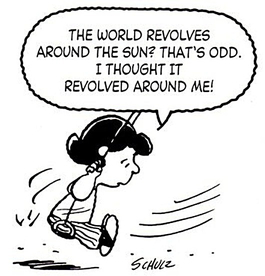
It’s easy for us to point the finger and accuse others of hypocrisy, but in truth how many of us haven’t bent or ignored the rules from time to time to suit our own dreams, desires and convenience?  We all have a natural tendency to put ourselves at the centre of the universe and expect the world to obey us. Sometimes our misdemeanours are frivolous and of no real consequence, but sometimes they become huge, affecting not only ourselves but also others. The Bible calls this waywardness ‘sin’, and perhaps the word sin should be spelt with a capital ‘I’, because so often the causes of sin are the pursuit of ‘me, ‘myself’ and ‘I’. In other words the putting of myself first, spoiling our lives and those of the people around us.

The Christian will be aware that God hates sin, but he loves us and through the loving and selfless actions of Jesus Christ and his death upon the cross, God takes the tremendous pain and consequences of our sin upon himself and offers us, in exchange, the forgiveness of sins, freedom to start again and the hope of a new life – a hope which is eternal.

Let’s be clear, in this life none of us are perfect or ever shall be, but in Christ we are given a new life and a new perspective, one which helps us to be a bit more loving, thoughtful and considerate not only about the people around us but the consequences of our choices and the way we behave.


“And what does the LORD require of you? To act justly and to love mercy and to walk humbly with your God.” Micah 6.8

Remembrance Sunday – Are we in danger of forgetting?

Later this month we will be observing Remembrance Sunday, the annual occasion when we as a nation can come together to mark and remember with gratitude all those who gave their lives serving their country throughout two world wars and other conflicts. This simple act of remembrance is supposed to encourage us to strive for peace as we appreciate the incredible cost of war and the damage that it does to all concerned. Yet it seems as if the world in which we live is more fragile than ever, not only in terms of the environment marked by the COP26 climate conference, but by the volatile nature of world relations. Although we may have got used to the almost routine launching of missiles by North Korea over the seas of South Korea, the world was shocked by the belief that China had launched a hypersonic missile that flew around the world at five times the speed of sound. Senator Lindsey Graham said, “If in fact, the Chinese have developed a hypersonic missile that can deliver a nuclear weapon, it’s a military game-changer when it comes to nuclear forces – God help us all”.  “We have no idea how they did this,” another US intelligence official is quoted as saying. Despite the fact that the Chinese may simply be developing their space technology and that respective nations are still seeking investment and wishing ‘to do business’ with China, the International Institute for Strategic Studies has concluded that its global ambitions are clear, for in terms of tonnage, China has launched more submarines and warships than any other nation, equivalent to the entire Royal Navy every four years.

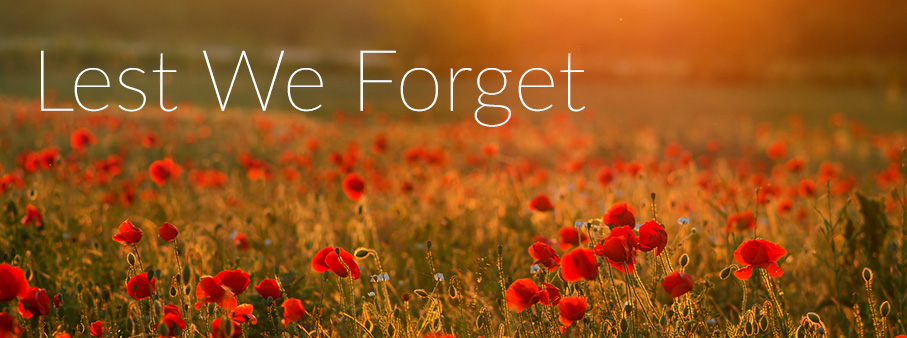
And yet, as recent events in Afghanistan remind us, military take overs by dictatorial regimes do not always lead to greater freedoms, security, prosperity or peace. We seem to be in danger of forgetting ourselves and the terrible cost of war and hostility. Surely, the heart of the problem is the problem of the human heart! – especially when people, countries and nations seek to manipulate, gain control and take advantage of those around them. The Christian will be mindful of the words of Jesus, who reminded the crowds that “out of men’s hearts, come evil thoughts, .. theft, murder, .. greed, .. arrogance and folly” (Mark 9.21-22). The recent death of Sir David Amess was a tragedy, but his family were absolutely right when they called for a change of heart. “Our hearts are shattered,” they said. “We ask people to set aside their differences and show kindness and love to all”. Jesus had said something similar when he had commanded his disciples “to love each other as I have loved you” (John 15.9). Loving like this requires a real change of heart, mind and perspective; one that does not seek to simply better oneself, but puts the other person first so that collectively we might all live better lives of freedom, love, joy and peace. These are the goals, values and ambitions that we should strive for and those that previous generations fought so hard to protect at great cost. So let us all take a moment to come together this Remembrance Sunday – ‘lest we forget’.  


Be careful … that you do not forget the things your eyes have seen or let them slip from your heart as long as you live. Deuteronomy 4.9

Afghanistan – A Story of Broken Hopes, Promises and Dreams

British Forces on the way to Kabul

As I write this letter the Afghan city of Kabul has fallen; there are chaotic scenes at Kabul airport, as both US and UK governments desperately fly in to rescue and retrieve their respective citizens and those Afghans who have worked with them. Despite billions of pounds and dollars being spent on building up the Afghan army (and numerous lives lost), the whole thing has collapsed like ‘a pack of cards’ and Western governments have been left reeling at the speed at which the Taliban have conquered the country. The Taliban spokesman, Suhail Shaheen, called the BBC’s Yalda Hakim live on air to “assure the people of Afghanistan, particularly in the city of Kabul, that their properties, their lives are safe – there will be no revenge on anyone”. This was of little comfort to the people on the ground who were clinging to the sides of aircraft in order to escape. Neither did it sit well with simultaneous reports received by the United Nations Security Council of mass killings and mounting human rights violations against women.

Twenty years ago, following the 9/11 attacks on New York and Washington, things had been very different. The anti-Taliban forces of Afghanistan’s Northern Alliance with the backing of the US and other Western nations had pushed the Taliban out of Kabul and were gaining the upper hand over Osama Bin Laden and his al-Qaeda movement. With this advance came political and social progress; businesses were allowed to prosper and flourish; girls and young women were able to study by going to school and university; and democratic processes became a part of electing governments. None of these things were perfect, but they were like a breath of fresh air to those who experienced them. Unfortunately, President Trump’s desire to ‘bring troops home’ and have a foreign policy success which would appeal to voters at home, has led him and his successor President Biden to make decisions that are disastrous for Afghanistan and arguably for western nations as well. The Bible encourages Christians to be as ‘wise as serpents and as innocent as doves’ when living amongst wolves (Matthew 10.16). Unfortunately, not a lot of wisdom was shown here, as we were really ‘blind as a bat’ in this case, only seeing what we wanted to see rather than what was the potential reality. This is a dark day for US/UK foreign policy as our credibility is shot to pieces; we can only hope that we have learnt our lessons.

However, there may still be a glimmer of hope, that God will work in the hearts and lives of all those who have experienced a better way of life and freedom, that one day they will encourage their society to turn their back on all the things which harm, impede, pull down and destroy and reach out for something better. Let’s pray that this may be so.                

Dare we Pray for the Peace of Jerusalem?


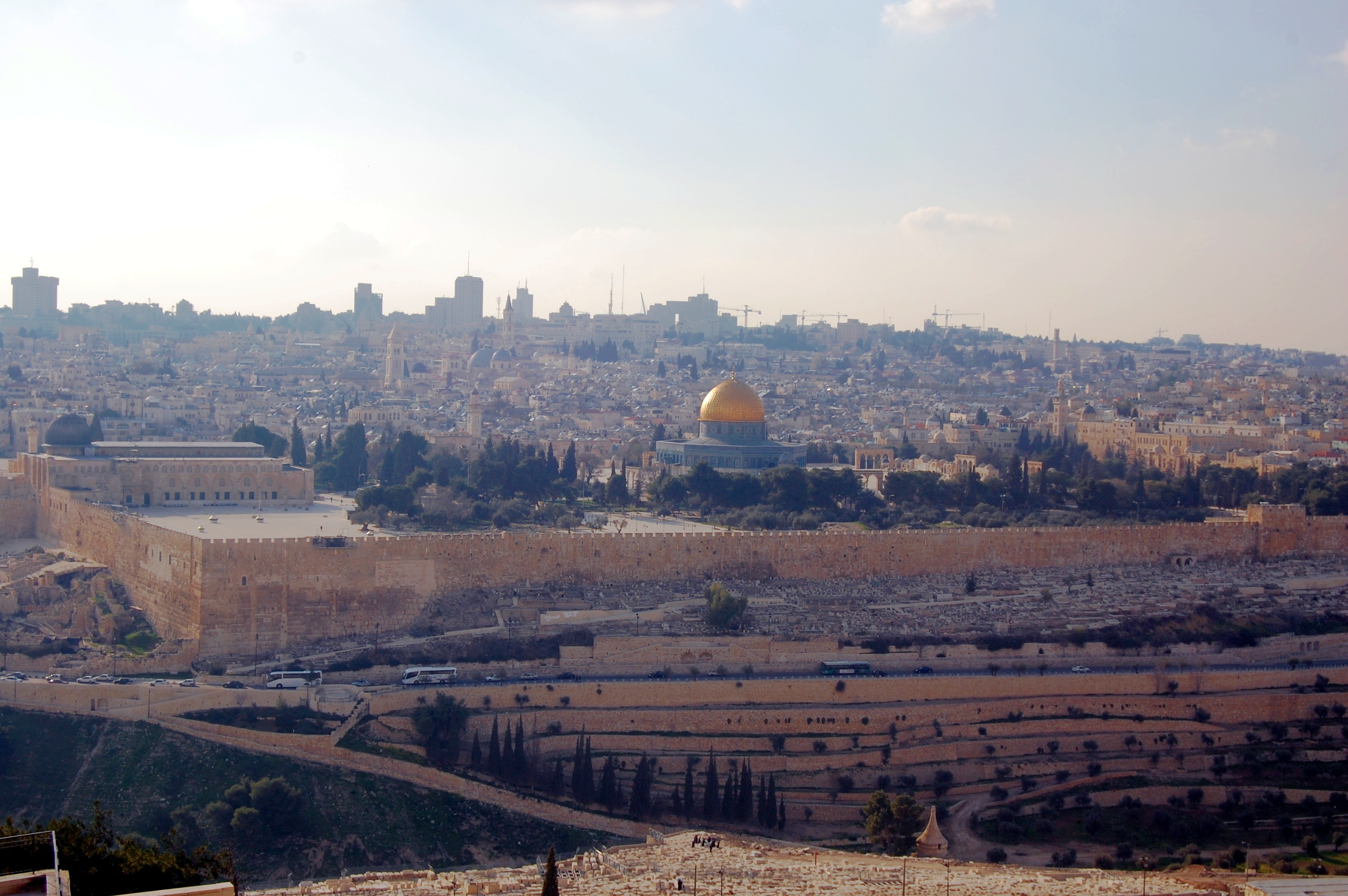
“Pray for the peace of Jerusalem … may there be peace within your walls and security within your citadels”  (Psalm 122.6-7). Yet it is with great sadness that we see anything but peace and security in Jerusalem at the present time as conflict increases – at the time of writing it is believed that 213 Palestinians have been killed in Gaza with 12 on the Israeli side. As Hamas fires more rockets into Israel, and as Israel prepares another night of ‘intensive’ strikes against Hamas’s network of underground tunnels, President Biden joins calls for a ceasefire between Israel and Palestinian militants – and yet this seems like a forlorn hope as most commentators know that Israel will always defend itself whenever it is attacked, whereas Hamas sees the Israelis as an oppressive occupying force and has threatened to continue firing rockets into Israel for months. But assuming peace was possible – what should it look like, and what should we pray for?

For many years, successive American administrations have favoured a two state solution, but this vision has been constantly hampered by the frequent building of Israeli settlements in disputed sectors, and more recently by President Trump’s decision to move the American Embassy to Jerusalem, implicitly recognising Jerusalem to be ‘Israel’s undivided capital’. This has upset Palestinians who want East Jerusalem to be their capital of any future state. This was the backdrop to the current crisis which was sparked off when Israeli forces stormed the Al-Aqsa Mosque to quell Palestinian rioters who were using the sacred site to store rocks and fireworks to throw at Israeli officers.    

This rapid escalation of violence has confirmed for many the view that a two state solution is now impossible, and yet the ‘winner takes all’ mentality of both Muslim and Jew will only lead to even more violence, pain and suffering – so, how should we pray?   

Well, perhaps Christians have something to offer here! Judaism, Christianity and Islam are all Abrahamic faiths, believing that God gave the land to Abraham and his descendants, but if you only look at the land purely through the eyes of the ‘Old Testament’, you might understandably perceive this ‘giving’ to be a ‘right’ (and therefore something to be fought over), but the Christian doesn’t just see this story through an ‘Old Testament’ lens but a ‘New Testament’ one as well. Viewed through this lens, the Christian understands that the giving of the land was not a right nor an end in itself ‘lasting forever’, but a ‘temporary’ gift through which the love of God would ultimately be revealed, as it was – in Jesus! For ‘in Christ’, God’s love for the world was not only revealed to Jews, but also to every nation and tribe in the world. It is therefore no coincidence that Jesus’ statement ‘blessed are those who hunger and thirst for righteousness’ is immediately followed by ‘blessed are the peacemakers’. So incredible as it may sound, and as difficult as it may be, perhaps we should not be working towards a two state solution, but praying for a one state solution, where all those who hunger and thirst for righteousness can also learn to live, love and respect one another. Surely it is only in this way that we can truly pray for the peace of Jerusalem.   


The earth is the Lord’s, and everything in it, the world, and all who live in it. Psalm 24.1

Will the Church Survive the Coronavirus Challenge?

The challenges of the past year have indeed been heavy and obvious – apart from the terrible loss of life caused by the coronavirus and the pain felt by grief-stricken families, we are all aware of the immense stresses and strains that have been placed upon other sectors of society, ranging from the NHS and schools, and through to the economy. But recently people’s thoughts and attention were directed by various news articles and items to the state of ‘the church’. This is because the church, like the rest of society, was strongly encouraged to ‘stay at home, protect the NHS and save lives.’ With a natural concern for their communities and indeed their congregations, many of whom are elderly and vulnerable, the church wanted to do the right thing and protect its members. Unfortunately, this meant that the public ‘face’ of the church was strongly curtailed, as many churches felt obliged to close their churches for public worship, and numbers for weddings and funerals were heavily restricted. In many ways this posed a serious challenge, as many usual church activities, home, fellowship & prayer groups, lunch clubs and school activities came to a halt, and along with it all the usual fund-raising activities. However, surprisingly, for churches here within the Necton Benefice, we have managed to provide a pre-recorded online service every week since last March which has been very well received, with folk who aren’t online able to request a DVD or audio CD. Parochial Church Council meetings have continued via Zoom, and most wonderfully people have continued to meet, support and pray with and for each other and their communities weekly by Zoom since last March, which has been a great source of fellowship and encouragement.  However, churches across the benefice have seen a drop in their financial income because of the pandemic, and this is true both at diocesan and national levels as well, leading to press speculation that the church is in decline and will find it hard to survive post pandemic. When articles such as the one that appeared in the Church Times (4th December 2020) report that Chelmsford Diocese had formally proposed to cut 61 stipendiary clergy post by the end of this year, it is clear that the national Church is having to ask itself some difficult questions, prompting The Spectator (6th February 2021) to ask whether the Church of England would become a ‘Holy Relic’ post-pandemic.  This led to a spirited response by both the Archbishops of Canterbury and York (Justin Welby and Stephen Cottrell) in the next issue, who whilst acknowledging the financial difficulties of the current situation, rightly reminded the reader how its priests have buried the dead, comforted the bereaved and both prayerfully and pastorally supported families throughout this pandemic. Yes, the times are changing, and no doubt the parochial system as we have known it will have to change too, and some stipendiary posts will be lost, but the church is not dead, nor dying. There have been more people turning to God and finding faith in Jesus Christ than ever before. “This year, we have seen the biggest rise in ordained and lay vocations for a quarter of a century,” the Archbishops said – which of course neatly reminds us of the church’s greatest asset and ‘not so secret weapon’ which is of course it’s laity. The church is not a building or even a collection of buildings – it’s people, a people who together do not simply put their faith in mere structures or some lauded institution, but in God and his Son, the Lord Jesus Christ.    

So, will the church survive the coronavirus challenge? Yes, of course by the grace of God and with your help!

“I long to see you … so that you and I may be mutually encouraged by each other’s faith.” Romans 1.11-12


The Battle For Britain – Body, Mind And Soul!

“Never in the field of human conflict was so much owed by so many to so few” said the British Prime Minister Winston Churchill on the 20th August 1940; a momentous speech that has gone down in history as capturing the essence of the British struggle against the German Luftwaffe during that period known as ‘The Battle of Britain’ (chiefly from the 10th July – 15th September 1940, although ‘The Blitz’ continued until the end of October). The battle was significant because it was the first battle to be conducted solely in the air and the only battle to have ever taken place in the skies of England. The Prime Minister’s words were of course spoken at a time when it wasn’t clear what the outcome would be, but now 80 years on we can all give thanks that they prevailed and gratefully remember the huge debt this nation owes to the bravery of the nearly 3000 British, Czech and Polish airmen of the Royal Air Force who fought during the Battle of Britain of whom only around half survived. Their average age being only 22. Although this article concentrates on the RAF and the airmen Winston Churchill referred to as ‘The Few’ it would be wrong to forget the soldiers and sailors who took part in so many other battles around the world during the First and Second World Wars, and other subsequent conflicts defending the nation. Nor should we forget the support given by so many others in so many various auxiliary and supportive positions (including that of family and friends) – and in this particular instance the thousands of volunteer plane spotters whose vigilance, alongside radar, gave us advanced warning of German air attacks. Naturally, Churchill was right to say that ‘never … was so much owed by so many to so few’, but equally ‘the few’ depended upon the efforts of ‘the many’ to keep them airborne with the best possible fighting chance. The nation was at war and they were in it together.

Once again, we are today at war, facing a period of great fear, upheaval and uncertainty – but this time our ‘enemy’ is largely hidden and unseen; and depending upon where we live, the threat against us may be ‘medium’, ‘high’ or ‘very high’. Once again we rely upon ‘the few’, doctors, nurses, medical staff and care workers to keep us safe and alive, but in this ‘battle for Britain’, we all have a part to play, and whether we be young or old, we all have a collective and individual responsibility to be vigilant and diligent, playing our part to keep one another safe. We are in this battle together!

In this period of difficulty and uncertainty, it’s only too easy to become anxious, fearful and depressed, but actually we have a great deal of power. We can defeat this virus if we choose to do the right things and obey the rules. ‘Love’ they say, ‘makes the world go around’, but the Christian will know that the greatest source of love is actually God himself, who ‘so loved the world that he gave his one and only Son that whoever believes in him shall not perish but have eternal life’ (John 3.16). The tremendous thing about God’s love is that regardless of the circumstances, whether they be good or bad (and whether we feel it or not), God’s love is constant and totally reliable. ‘Never will I leave you nor forsake you’ he says in Hebrews 13.5 which can be a great comfort to us all, and especially to those who feel lonely, anxious or afraid. So as we pay our tributes and respects this Remembrance Sunday, let us not lose heart but be inspired by those who gave so much for us and with God’s help do our best to faithfully follow their example and win this new battle – together!  

faith is being sure of what we hope for and certain of what we do not see.

Hebrews 11.1


Are We Contributing To Our Own Extinction?

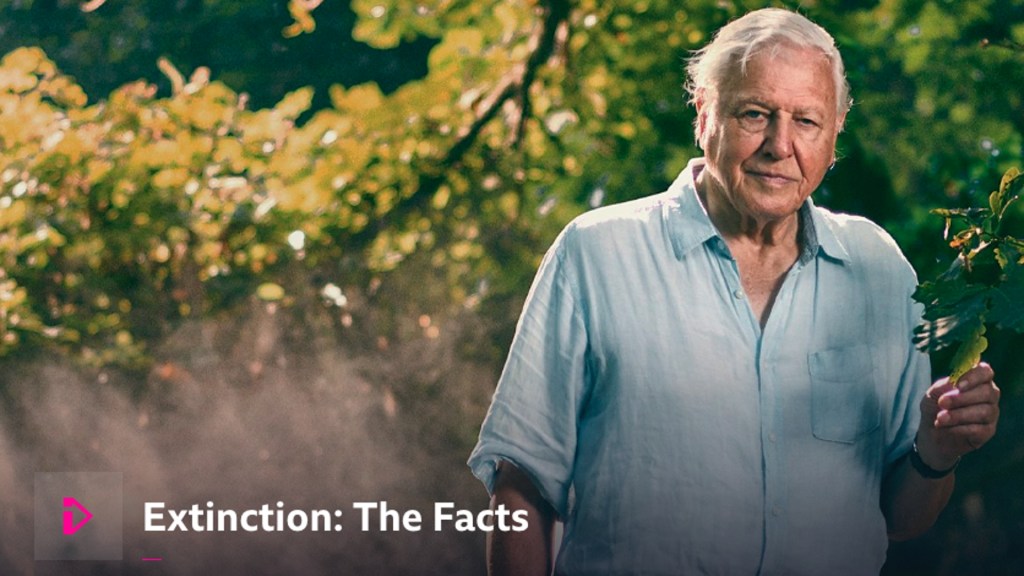
During September many viewers were left stunned having watched Sir David Attenborough’s latest television documentary Extinction: The Facts with the broadcast on the BBC deliberately timed to give publicity to the urgent report published by the United Nations’ Convention on Biological Diversity a few days later. This report concluded that “humanity is at a crossroads and we have to take action now to make space for nature to recover and slow it’s ‘accelerating decline’.” Indeed, Sir David Attenborough warned that “we are facing a crisis – and one that has consequences for us all.” Not only did one expert state that of the eight million species on Earth, a million are now threatened with extinction, but the links between nature and the environment and our own future physical wellbeing were made abundantly clear. Alongside the familiar concerns of climate change, intensive farming and industrial scale encroachment upon the natural order by humans ravaging and plundering it’s natural resources, seas, forests, land etc, and polluting the environment – a stunning (and some would say somewhat controversial) link was made between the ever increasing ‘close contact’ of humans to animals resulting in the transmission of viruses from one species to another, leading to an increased likelihood of pandemics across the world, such as SARs, MERs, Ebola and the coronavirus Covid-19.

Elizabeth Maruma Mrema, the convention’s executive secretary stated that “Things have to change. It is land. It is forest. It is agriculture. It is the ocean. It is pollution. So we need to change our production patterns, our consumption patterns. The choices of the food we eat, human encroachment in the wildlife, into the forest. So these need to change”.

The problem is that for so long we have viewed the earth as our domain, a simple resource to reap and plunder as we see fit. We have forgotten that first and foremost the Earth is not a resource but a gift! And it is not ours alone, but a gift for all generations. For so long we believed that there was enough food in the world to feed all it’s people, if only we could share it more equitably – but we underestimated the profit motive, the rapid advance of technology and the expansion of populations. Now we are struggling to feed the world and live sustainably. We are damaging the world and in a whole manner of different ways we are risking our collective futures. The time has come for change!

In his book Renewing the face of the Earth, David Atkinson reminds the Christian that ‘the earth is the Lord’s and all that is in it’ (Psalm 24.1) and that we have a royal calling to serve and protect it for the good of all, whether it be by our political involvement or personal living. We can hold governments and large organisations to account by the choices we make at the ballot box, the cash till and through the charities we support. Together as individuals and as communities we can make a difference! But this will require us to think and act generously in the best interests of others, and often sacrificially for ourselves, which mirrors the love of God for us in the person of Christ. Atkinson thinks it is not by accident that the Church’s Holy Communion service reminds the recipient that they are called to be ‘living sacrifices’ as they go out into the world, living generous and unselfish lives – which is in fact, is a sentiment that many of us could adopt if we wish to continue to live in a just, caring and sustainable world which does all that it can to preserve the environment, protect our biological diversity and promote our mutual wellbeing.

How many are your works, O Lord! In wisdom you made them all; the earth is full of your creatures. Psalm 104.24


Patience Is A Virtue – Even In ‘Lockdown’

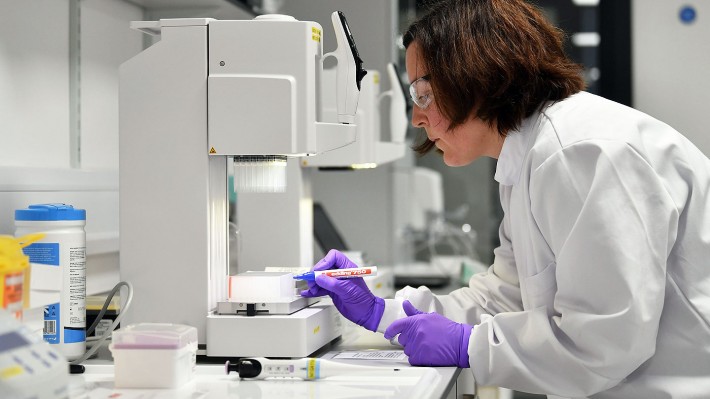
200501-coronavirus-research

Every Thursday evening my family and I, like many others, have stood outside our house clapping our hands, applauding the sterling work of the NHS whose doctors and nurses have been battling on the ‘front line’, looking after and caring for sick coronavirus patients. But over the weeks our appreciation has grown as we have become more aware (and thoughtful) of all those who are playing such a massive part at this difficult time, not just the doctors and nurses but all employees of the NHS; alongside care workers in care homes (the new and perhaps previously forgotten front line?); ‘key workers’ in so many various and different fields (supermarkets, schools, and utilities) and not forgetting the increasingly significant part played by funeral directors, whose own personal ‘risk’ is not inconsequential.

The panic buying of the first few weeks has been largely forgotten by the many acts of kindness that we have seen by members of the public as they look after and support one another, especially the vulnerable, at this difficult time. We have seen real acts of courage, bravery and sacrifice undertaken by those whose professionalism and dedication to public duty and care has put themselves at risk in the service of others. We remember especially all those doctors, nurses and care workers who have died, largely and inexplicably from the BAME community. All this has been coupled with massive acts of generosity as people have rallied to support one another and the NHS behind such inspirational figure heads as Captain Tom Moore.

Coronavirus stats

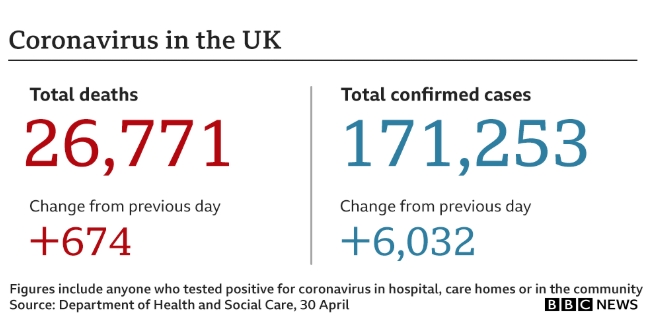
But of all the virtues we have witnessed there is one that seems to be in increasingly short supply (particularly in the media) and that is – patience! Despite being told from the outset that this crisis would be more like a marathon than a sprint, we were barely ‘locked down’ for a fortnight before the media started to ask as to when the lockdown might be lifted. This question gained momentum from business and opposition parties as the cost to business and the economy started to bite. In one sense these are natural questions to ask and no one underestimates the very real pain and uncertainty that people are feeling and experiencing. The costs and pain to peoples’ lives and livelihoods at this time is immense, and yet I would suggest that it is nothing compared to the pain of losing a loved one. For many life will go on, even if it is different, but once you have lost someone you can never get that life back! That’s why it is crucial that we all pay attention to the rate of infection (the ‘R’ number) and follow the government guidelines. Until we have ‘flattened the curve’ and this number becomes ‘1’ or ‘less than 1’ it would be irresponsible to lift the restrictions. The cost to the economy and people’s lives would be much, much worse if we allowed this rate to increase again – which it could easily and very rapidly do. At the time of writing 26,771 people have died of the coronavirus in the UK alone, a rise of 674 from the previous day. These are unprecedented numbers which is why we must hold on to our nerve and our courage! We must bravely hold on to our resolve and our dedication. We must continue to have faith, courage and patience! As tempting as it may be to return to work, to enjoy the sunshine and pick up our normal lives once again, we can’t until it is safe to do so. Neither can we allow the sacrifice of others to be wasted, nor destroy our hope for a better future.

BB13uBmy

The Christian will be aware that Jesus also undertook a very long, arduous and painful journey towards the cross. The shadow of his looming death must have been a constant and fearful presence, and yet he bravely continued on, knowing that it would be the only way by which others might be saved. So, at this time of national crisis, let’s continue to embrace the path which is set out before us, doing so with the same love, resolve, determination and kind generosity of spirit – and let us be patient!  


4 Love is patient, love is kind. It does not envy, it does not boast, it is not proud…. 6 Love does not delight in evil but rejoices with the truth. 7 It always protects, always trusts, always hopes, always perseveres.

            1 Corinthians 13.4,6-7


Necton Benefice Logo