What can ‘Mr Bates v The Post Office’ teach us about Lent?


Have you taken down your Christmas decorations too soon?


Earthquakes, floods and famine – “There but for the grace of God go I”

The recent tragedies in Morocco and Libya have been truly heartbreaking. With 3000 people dying as a result of the Moroccan earthquake, and the possibility of 20,000 people dying in the Libyan floods, the amount of human suffering is hard to imagine or comprehend. It’s no wonder that many traumatised victims, trying to make sense of things and come to terms with their grief, have been recorded by journalists as simply saying ‘It’s the will of God’ or ‘Allah wills it’, which leaves the rest of us safely looking on from the comfort of our homes thinking, ‘well, thank God I wasn’t caught up in that’ or ‘there but for the grace of God go I’. But now, of course, the difficult questions arise! Why aren’t buildings built to be more earthquake resilient, and why aren’t dams which are known to be faulty immediately repaired? Surely a lot more lives could have been saved if only they had been. Perhaps part of the problem is a fatalistic mindset, which encourages people to believe that certain tragedies are an ‘act of God’ and ‘what will be will be’. If this is your attitude, then why should you bother learning from your mistakes or from tragedy, because effectively all responsibility is taken out of your hands and left in the hands of the divine. But this isn’t a biblical perspective, because despite the fact that the world is imperfect (as so clearly demonstrated by recent events) God cares! “The Lord is good to all; he has compassion on all that he has made” (Psalm 145.9). So, instead of thinking that God is aloof, uncaring or absent, we should think of him as being deeply concerned and hands on, working through the kind and compassionate words and deeds of those who act in his name and struggle to bring assistance and relief to the needy. In a sense, this mirrors the Gospel itself, for God has always sought to step into the world rather than step out of or away from it. This is most ably demonstrated in the person of Jesus, who taught his disciples to love God and their neighbour as themselves and who by his death, demonstrated a selfless love for the world so that it might be renewed, restored and forgiven of sin. Although we might tend to think ‘there but for the grace of God go I’ when it comes to earthly tragedies, in the light of sin the Gospel message might be summed up in the words ‘there but for the grace of God, goes God’ achieving for us something that we couldn’t possibly achieve for ourselves.

So, in the face of calamity, whether it be at home or abroad, let us hold on to the fact that God’s love and compassion is with us, and echo and demonstrate it in our own thoughts, words and deeds.

Celebrating Harvest – against all the odds!

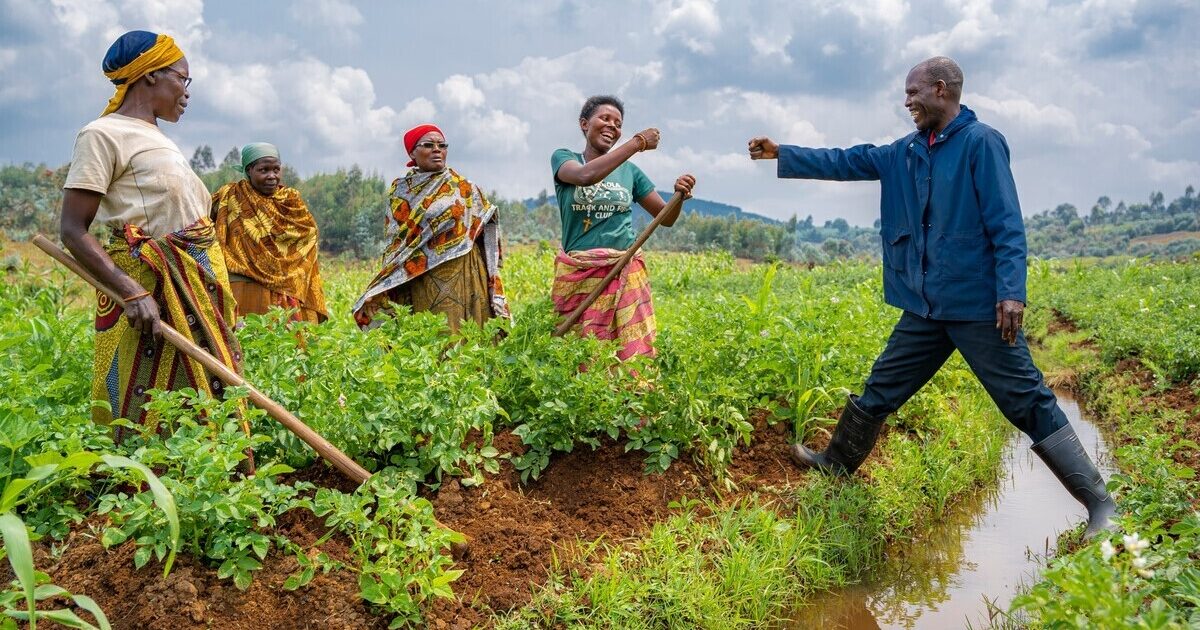
Many of us will be familiar with the story Jesus told his disciples known as the ‘parable of the sower’ (Matthew 13.1-9,18-23), which demonstrated the spiritual reality that sadly not every heart would be open to the ‘Word of God’ like seed sown on good soil – but rather, like seed that was eaten by birds on a path, scorched by the sun in rocky places or choked by thorns and thistles, would be destroyed and rejected by those whose hearts were influenced, shaped and hardened by the worries, cares and problems of the world,  resulting in what appears to be at first glance, a massive 75% failure rate!

But even if we put the spiritual metaphors to one side for a moment, and take the parable ‘literally’, it still speaks to us, because it chimes with what we understand and see going on around us at the present time. The ongoing war in Ukraine has been a disaster for the world’s food store. Because of damage to fields and farms, 40% fewer crops have been planted in 2023 than the year before. The lack of fertiliser has literally left many crops struggling to grow against thorns, thistles, and weeds. Many farmers have therefore switched to growing easier oil-based crops such as sunflowers, resulting in the fact that this year’s grain harvest is even smaller than before. The ‘rocky ground’ left by an overabundance of military ordinance, such as landmines, has left a deadly legacy so that many fear to gather the crops, and now that Russia has pulled out of its Black Sea crop exporting deal, the worries, cares and pressures of the world are exasperated for many. In other parts of the world, climate change and excessive heat waves literally scorch the seed sown for food. All of this reduces supply, forces up prices, fuels inflation and cements the cost of living crisis, leaving 20% of people on the lowest incomes in the UK with not enough money to feed themselves after two weeks.

The situation is no doubt even more complicated than this, but it is why we need to celebrate harvest and be grateful for what we have, supporting those who through no fault of their own are less fortunate than ourselves. So as many of our churches begin to look forward towards the harvest season, may I encourage you to join us. This year our harvest charity will be Ripple Effect (formerly known as Send a Cow), helping poorer African nations learn how to farm and feed themselves sustainably, and we will be using our dry provisions and harvest gifts to support our local foodbank. Kindness and generosity are great spiritual values whether you consider yourself to be Christian or not, and just as the ‘Word of God’ teaches us, seed that is sown into good soil ‘can produce a crop a hundred, sixty or thirty times what was sown’ (Matthew 13.8). Wouldn’t it be wonderful if our kind, generous and thankful hearts had a similar effect this harvest season?!      

Well done England’s Lionesses. Let’s go again!


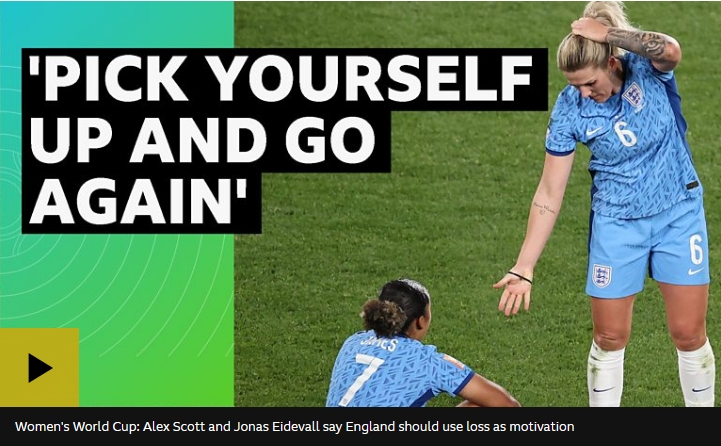
No doubt like me, many of you are disappointed that England’s Lionesses failed to win the Women’s Football World Cup 2023! But what a wonderful tournament it has been, and what excitement! Who can forget Chloe Kelly’s incredible winning penalty strike against Nigeria which at 69 mph was more powerful than any goal scored in the Premier League last season – or young Lauren James announcing herself on the world stage with 2 wonderful goals against China and an incredible strike against Denmark – or finally Mary Earps’ sensational penalty save against Spain in the Final which rightfully won her the ‘golden glove’ award and confirmed her place as one of the world’s top female goalkeepers admired by millions (whatever Nike might say by not producing a copy of her shirt for fans to buy). Not forgetting the rest of the team who all did so very well under the wonderful management of Sarina Wiegman. It’s such a shame that the final proved to be ‘one game too far’, but their skill and dedication has brought us all a lot of joy and entertainment over the last few days and we can as a nation take great pride in what they have accomplished, and they have certainly inspired many other ‘little boys and girls’ to play football and be the ‘lions and lionesses’ of the future.

However, we all know that it is the possibility of winning or losing which makes football and so many other sports, so enthralling. It is embracing the idea and stepping up to the challenge which makes sport such a wonderful metaphor for the stresses and strains and challenges of life. It’s been 57 years since England last won the football world cup and perhaps for many it may seem like we will never win it, but still it’s a challenge which inspires.

The Christian will know that when it comes to earning our place in heaven, we are all doomed to fail, because as frail, fallen, sinful human beings we can never make the grade or live up to God’s standards – we have all fallen short! (Romans 3.23) But fortunately, God’s love for us means that we are not abandoned or left to our own devices; God steps into the world in the person of Jesus Christ, so that he might take upon himself all the terrible consequences of our fallen nature by dying for us upon a cross. His death paid the price of our sins and so now we can enjoy a new forgiven life and a new relationship with God when we put our faith and trust in him. The Apostle Paul sums it up so well, when he says ‘forgetting what is behind and straining towards what is ahead, I press on towards the goal to win the prize for which God has called me heavenwards in Christ Jesus’ (Philippians 3.12-14).

So, let’s be thankful for all that Christ has accomplished, and like England’s lionesses, pick ourselves up and grab that second chance ‘to go again’.      


But thanks be to God! He gives us the victory through our Lord Jesus Christ. 1 Corinthians 15.57

Georgia Stanway, Rachel Daly, Millie Bright, Mary Earps, Alessia Russo, Lucy Bronze, Lauren Hemp, Ella Toone, Jess Carter, Keira Walsh, Alex Greenwood

Cultivating a friendship which inspires

You don’t need to be a fan of Rugby League to appreciate and be inspired by the tremendous friendship between Kevin Sinfield and his former Leeds Rhinos team-mate Rob Burrow. When Rob Burrow was diagnosed with Motor Neurone Disease in late 2019, Kevin stuck by his friend and was inspired to do whatever he could to raise money for MND charities. In 2020 he ran seven marathons in seven days and in 2021 he completed a run of 101 miles in 24 hours. Last year he completed an Ultra 7 in 7 Challenge when he ran seven back to back ultra-marathons (an ultra marathon being a run longer than the standard marathon length). His latest triumph was on Sunday 14th May 2023 when he completed the first inaugural Rob Burrow’s Leeds Marathon when he actually pushed Rob the 26.2 miles in a specially adapted wheelchair, lifting him out of the chair as they finally crossed the finish line together. So far Kevin Sinfield has raised well over £8 million for charity, which is not only a remarkable story about good coming out of adversity, but a wonderful celebration of their friendship.

The Bible has a lot to say about ‘running the race’ and ‘going the extra mile’, just as it does about friendship, with such examples as those of David and Jonathan, and Ruth and Naomi whose love, compassion and loyalty bound them together through ‘thick and thin’ as good friends regardless of what life and dire circumstances had brought them. The Christian will be aware that this was modelled in Jesus’ own life and taught by him when he told his disciples that they and all who put their faith in him could be his friends if they did what he commanded – and what was it that he commanded? It was that they should ‘love one another as I have loved you’ (John 15.12) in other words selflessly, sacrificially and completely, often putting the needs of the other person first, and before themselves. This was ultimately demonstrated by Jesus himself when he died upon the cross.

There is so much sadness and suffering in the world that it often weighs us down and depresses us but let us also lift up our heads and be inspired by the good examples of love and friendship that we see and be inspired to cultivate such qualities and friendships in our own life and the people we meet.  


A friend loves at all times, and a brother is born for adversity. Proverbs 17.17

‘God save the King’ – A prayer for the Monarch & the Nation

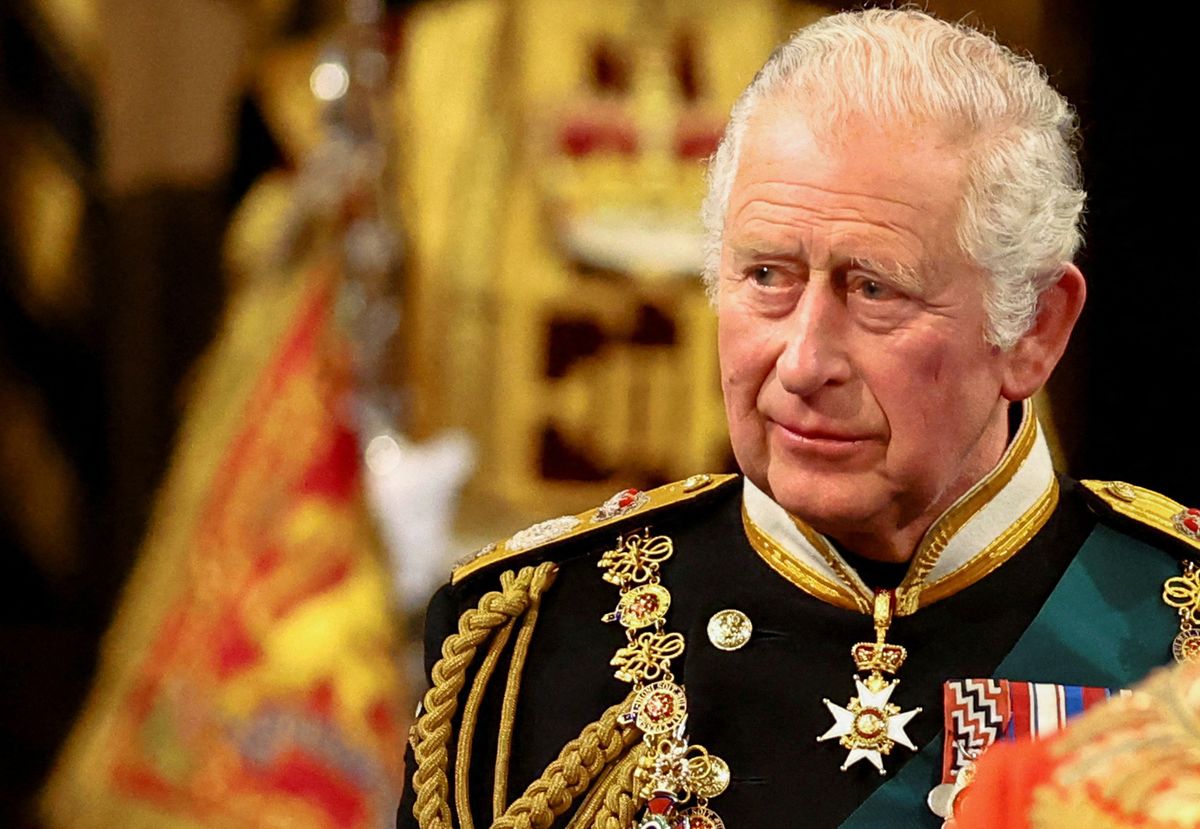
In just a few days’ time the nation will be rejoicing as we collectively watch, witness & celebrate the coronation of HRH King Charles III at Westminster Abbey. It will no doubt be a grand occasion full of ‘pomp and circumstance’ which is such a feature of British Royal occasions (and broadcast around the world). The mixture of pageantry and religious symbolism will bring the service to life and mark the King as both the head of state and church in one incredibly significant, self-defining moment. Alongside the presentation of the King, the swearing of oaths and anointing, the moment of enthronement will culminate not only in the singing of the choir but by the public cry of ‘God save the King!’ with the congregation joining in a rendition of The National Anthem. However, although most will recognise The National Anthem to be a prayer said on behalf of our King, not many will appreciate that it’s also a prayer for ourselves and the nation we are part of, for although the antiquated language of the second verse may make many of us feel uneasy about the ‘scattering of enemies’ and the ‘frustration of their knavish tricks’, it has to be said that these words uttered in the light of the current war in Ukraine has a European poignancy which we haven’t seen or felt for some time. But it is of course, the third verse with its exhortation that the King might ‘defend our laws and ever give us cause, to sing with heart and voice, God save the King’ which strikes at the heart of our national life. Although we recognise King Charles to be our Sovereign, we also recognise that it is Parliament which guides and directs our daily living and of which the monarch is its figurehead – and yet the King’s soft power both at home and abroad is tremendous.

It’s a common misconception that religion and politics shouldn’t mix, but the coronation demonstrates how both are deeply ingrained in our society, shaping and making us the nation state that we are – and even with the UK becoming an increasingly pluralistic, multicultural society, the truth of this statement will only become more profound, not less.

The Christian will be aware that Jesus told his disciples that the greatest commandment was to “ ‘Love the Lord your God with all your heart and with all your soul and with all your strength and with all your mind’ and to ‘Love your neighbour as yourself’ ” (Luke 10.27) because loving the first helps to achieve the love of  the second. This motivating truth should be reflected in all aspects of our society, whether it be personal or political, whether we be ‘prince’ or ‘pauper’, for as the Bible also reminds us “ ‘what does the Lord require of you? To act justly and love mercy and to walk humbly with your God’ ” (Micah 6.8) and this is especially true, I would suggest, if you happen to be King!

So as we come to celebrate the coronation of King Charles III, let us pray not only for him but for our nation and ourselves as we sing The National Anthem.

God save the King!


Kings detest wrongdoing, for a throne is established through righteousness. Proverbs 16.12

Can we ‘Spare’ a thought for Royal Reconciliation?

There can be little doubt that with 400,000 copies being sold on its first day of publication, Prince Harry’s autobiography Spare has caught the public imagination, with many people proclaiming how excited they are to read it. The sales of the publication were no doubt primed by the recent Netflix television series and fuelled by a number of sensational interviews to promote it, all reported upon in the newspapers, which is slightly ironic considering Prince Harry’s well-known loathing for the British press.

But whatever your opinion about Prince Harry and the Royal Family, there can be little doubt that the steady stream of salacious material and juicy titbits are all very sad for the individuals concerned and bad for the Monarchy in general. In fact, the sheer volume of information and level of detail has taken everyone by surprise, with the previously understood policy of the Royal family to ‘never complain, never explain’ being well and truly blasted out of the water. At first glance some of the information about sibling rivalry between Princes William and Harry (and their spouses) seems quite petty, but it’s easy to see how a number of these small petty grievances and cultural misunderstandings can easily ‘blow up’ into larger issues breeding anger and resentment – with accusations of one side leaking information to the press for gain over the other, and charges of overt racism being very serious indeed. There is no doubt that Prince Harry feels compelled to protect and defend his wife from the unconscious bias/racism of his prestigious family (and press), but this, combined with his own sense of past hurt has culminated in his fierce resentment of his perceived treatment as the second son as starkly depicted in his book’s title Spare. But the problem is that no one is perfect and no one comes out of this situation very well – so can the family be reconciled?

Of course, the folly of ‘airing one’s dirty linen in public’ is the difficulty of climbing down and ‘losing face’, especially when you are a member of a Royal family in the full glare of the British press and the world’s media, but despite their grievances, Prince Harry has described his love for his father and brother – and his wish that for his children’s sake, they might be reconciled. Equally King Charles has spoken of his love for his sons, including Prince Harry, which may pave the ground at some point for civilised conversation; an honest, mutual meeting of minds resulting not only in the letting go of past hurts, but also an apology for those caused today. This needs to stem from real repentance, love and forgiveness. But if there is to be any chance of a private reconciliation, then the public argument and media circus has to stop.

The Christian will be aware that the Bible often speaks about ‘not letting the sun go down on your anger’ (Romans 4.26-27) which might give the devil a foothold and ‘the renewing of one’s mind’ (Romans 12.2) which means a change of heart, mind and attitude after the fashion of Christ. Now, no one is saying that this is easy, but genuine love can overcome most obstacles. So together, let’s spare a thought for Prince Harry and pray that he and all the members of the Royal family will overcome their differences and be reconciled.


31 Get rid of all bitterness, rage and anger, brawling and slander, along with every form of malice. 32 Be kind and compassionate to one another, forgiving each other, just as in Christ God forgave you.

Ephesians 4.31–32

Can we afford to celebrate Christmas?

The greatest gift of all: The birth of Jesus Christ

I’m writing this letter the day before Prime Minister Rishi Sunak and his Chancellor Jeremy Hunt reveal their Autumn Statement, and many people are wondering about how they will be affected by their policies. The three wise men may have been able to afford their extravagant gifts of gold, frankincense and myrrh, but for many the ‘cost of living’ crisis currently fuelled by higher energy prices, high inflation and fewer resources has meant that Christmas is rapidly losing its sparkle. A recent survey suggests that 42% of people are worried about how they will pay for Christmas this year compared to previous years and the media is full of sad stories and advice on how people can make ends meet. Martin Lewis, the Money Savings Expert states that most people start from the wrong place; “They have a perfect Christmas pictured in their mind of everything that they want and exactly how it is going to be, and then they try and work out how they can do it. Please don’t do that. That’s likely to lead to debt and disappointment. Decide on how much you are going to spend on Christmas this year and stick to it.”

The Christian will be aware that although presents are nice, Christmas is not really about presents at all, but about a God who loved the world so much that he freely stepped out of the majesty of heaven, becoming as the ‘Son of God’ a man born in Bethlehem to poor parents. He did this, so that we ‘as poor as we are’ might get to know him in a deeper, better and more profound way, trusting that his love, (ultimately demonstrated for us by his death on the cross) might not only lead to our salvation and the forgiveness of our sins but offer us a better, brighter and more positive future, for as the Apostle Paul once said ‘for your sake he became poor, so that you through his poverty might become rich’ (2 Corinthians 8.9).

Yes, the wise men may have offered Jesus expensive gifts as part of their worship, but in truth Christmas is really all about God’s good gift in Christ to us – and so on his birthday, what might he want most of all? An expensive lavish present? Not at all! He simply wants to be your friend as you put your faith and trust in him.

It’s a gift that grows with the receiving, each day becoming more and more satisfying as we come to appreciate and learn just what God has done for us in the person of Christ.

It is my hope that you will all have a really lovely Christmas with your respective families and friends, but not allow the finances to get in the way of your celebrations, but simply rejoice in each other’s company as God in love and ‘in Christ’ rejoices in you.

May I on behalf of my family and all the parishes I represent wish you all a very happy Christmas and a worry free, peaceful new year.  

What can I give him, poor as I am?
If I were a shepherd I would bring a lamb;
if I were a wise man I would do my part;
yet what I can I give him – give my heart.

From ‘In the bleak mid winter’ by Christina Rossetti

No Greater Love Than This …..

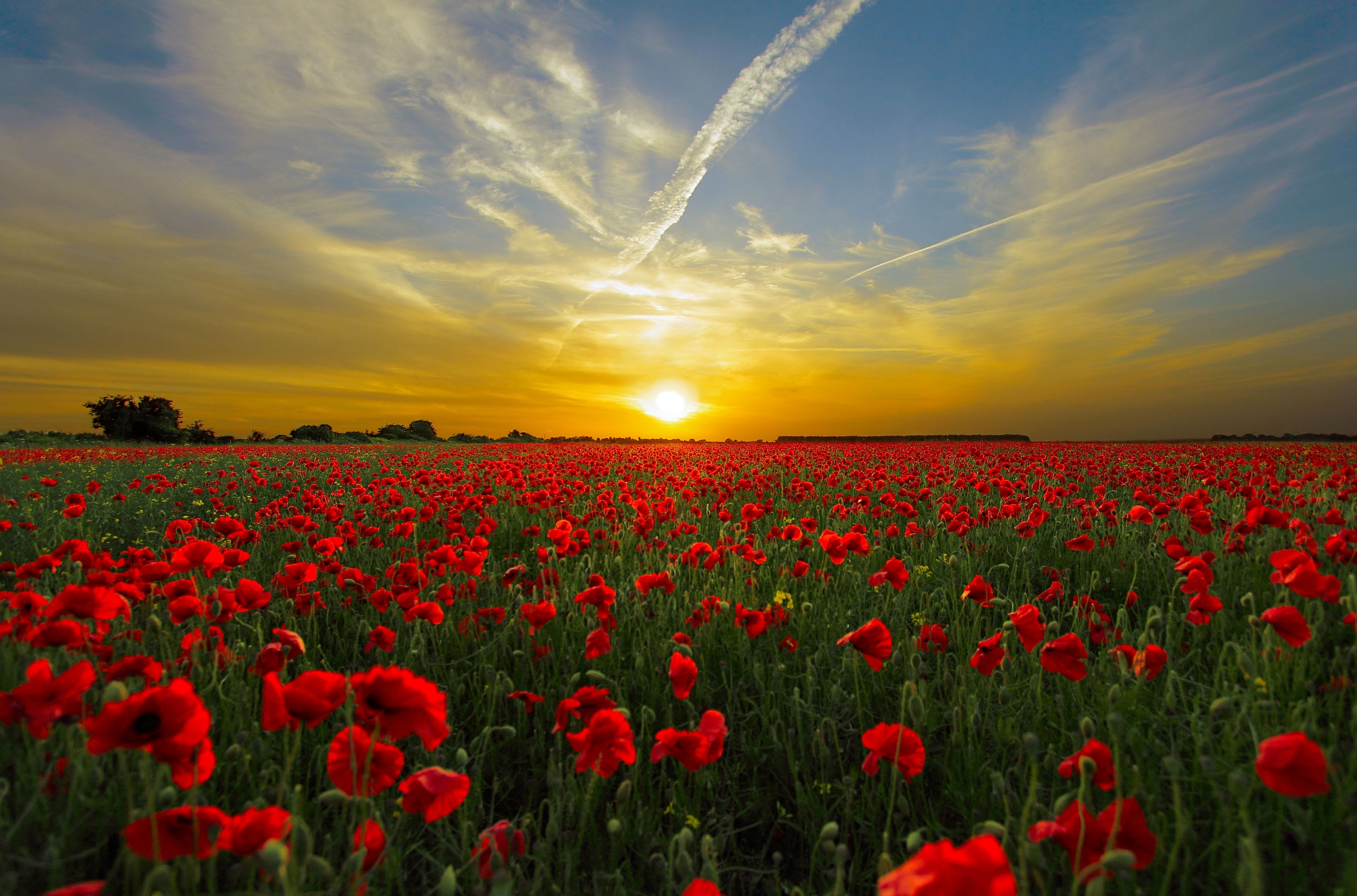
The First World War (1914-18) has often been described as ‘The Great War’ and ‘the war to end all wars.’ It is given such accolades because despite the many brave and heroic actions that took place, it’s also recognised as being one of the most tragically painful episodes of human history with immense suffering, as no-one can be certain how many lives were actually lost on the battlefield. Historians estimate that it may be as many as 10 million people killed with another 20 million people wounded. It was therefore hoped that the world would never see such a conflict again, but sadly within a few short years not only did we have the Second World War but there have been many other conflicts since. It’s no wonder that the Christian poet, Steve Turner, was inspired to write ‘History repeats itself. It has to – no one listens.’

To those of us who have, thankfully, only ever known peace, the current war in Ukraine with all its evidence of mass graves, torture chambers and deportations reminds us of just how dirty, depraved, and brutal war can be, causing much damage to people’s lives, infrastructure and society. We can therefore only hope and pray that the innocent will find peace; the good will prevail; and that the wicked will be brought both to heel and to justice.

In such circumstances, many of us will remember the biblical verse, “Greater love has no-one than this, that he lay down his life for his friends” (John 15.13), often quoted on Remembrance Sunday. It’s true, there is no greater love than making this ultimate sacrifice. But it also needs to be remembered that that particular verse is set within a passage that not only commands us to be loving in death – but in life! This is my command says Jesus, “Love each other as I have loved you” (John 15.12). War sometimes requires us to live and love sacrificially, but that same quality should also be evident in times of peace, as we endeavour to see others the same way that God sees them. Ultimately, it was this same quality of sacrificial love and purpose that drove Jesus to die for us upon the cross, taking upon himself not only the consequences of our fallen nature but offering us the forgiveness of sins when we put our faith and trust in him. The Bible reveals not only how ‘in love’ Jesus lived and died for us, but how as ‘God incarnate’ he rose again. His resurrection therefore (which is promised to all who believe) heralds not only a new way of life, but a new way of living forever as part of God’s new creation which we call heaven, where God will wipe away every tear from our eyes, and where “there will be no more death or mourning or crying or pain” for all that has passed away (Revelation 21.4). How much do we long for that!

Please join us in church this Remembrance Sunday as we commemorate all those who sacrificially gave so much serving our nation in times of war, so that we might be free to live and love in peace.  


“This is how we know what love is: Jesus Christ laid down his life for us.”

1 John 3.16