Is it sensible to believe in the Resurrection?


Pray for the peace of Jerusalem this Remembrance Season

It has been heartbreaking listening to the BBC news stories coming out of Israel in recent days. Stories like that of twenty-two year old Neta Portal telling the news reporter how, despite being shot in the leg six times, she had survived with her boyfriend the terrible massacre carried out by Hamas on the Israeli kibbutz at Kfar Aza – or seeing Mariam, a young British Palestinian girl, expressing her fears of dying as she clutches her British passport in the hope that the Rafah gate might be opened, granting her safe passage into Egypt. These stories remind us that in times of conflict it is always the innocent who suffer.

Let’s be clear, what Hamas did was barbaric and Israel has every right to defend itself – and yet we pray and hope that they will have a higher regard for civilians than the terrorists. The Israeli / Palestinian conflict is complicated, but the truth is that ever since the 1948 Arab-Israeli War, Israel has made a number of concessions, offers and overtures to its Palestinian neighbours which would create a Palestinian state (even voluntarily giving up its worship upon the Temple Mount) all of which have ultimately been rejected by the Palestinian leadership, leading to the current unsatisfactory situation. And yet relations in the wider Middle East have been improving and things were looking better than they had been for years – all of which has now been blown away by the recent attack by Hamas, sponsored by Iran.

The irony is that the word ‘Jerusalem’ means ‘foundation of peace’ incorporating the Arab word for peace ‘salam’ as in ‘As-salamu alaykum’ meaning ‘peace be upon you’  and this is akin to the Hebrew word ‘shalom’ also meaning ‘peace’, ‘tranquillity’ and ‘wholeness’, but it’s not just a simple sort of peace but a deeply rich sort of peace that belongs to God himself. So, in a city and a part of the world which has such a high regard for peace, it’s incredibly sad that there is so much anger, hostility and hatred.

The Christian will be aware that the prophet Isaiah predicted a time when ‘every warrior’s boot used in battle and every garment rolled in blood would be destined for burning and used as fuel for the fire’ (Isaiah 9.5) because ultimately God’s messiah would arrive and put things right, and he would be called ‘Wonderful Counsellor, Mighty God, Everlasting Father and Prince of Peace (‘sar shalom’)’ (Isaiah 9.6), and that person is of course Jesus who, after his death and resurrection, met his frightened disciples in a locked room and said ‘peace be with you’ (John 20.19).

So as we approach Remembrance Sunday, let us be grateful for the peace that we currently enjoy, made possible by those who sacrificed so much to look after and protect us in past years, but may we also be wise enough to pray for Jerusalem and the peace of the world, trusting that God’s wisdom, and the loving, peaceful spirit of Christ, might touch all our hearts.


Easter joy, hope & life everlasting!

I’m sure most of you can understand me, when I say that ‘I love my life and all that goes with it, my wife, my children, my family and friends along with all the other joys that sustain me, making my life comfortable, satisfying and fulfilling. Not forgetting the benefits of our society and the beauty of the countryside. In all these things we are so very fortunate’ – and I’m sure that many of you would agree and say something similar!

But sadly you don’t have to look very hard before you notice that the world in which we live is far from perfect. The terrible war in Ukraine is an obvious example. “You can rebuild Mariupol,” says one BBC headline, “but you can’t bring back the dead”. Sadly, this is true and although we don’t like to talk about it, death is a daily reality for many people around the world, whether it be through the deliberate and wilfully malicious actions of others culminating in war, or by natural means, disaster, sickness and disease, or poverty. Death is awful! This is why so many Christians have for generations, taken comfort from the famous words of the twenty-third psalm:

“Even though I walk through the valley of the shadow of death, I will fear no evil for you are with me; your rod and staff, they comfort me.” (Psalm 23.4).

The ‘rod and staff’ mentioned here remind us of the opening verse which states that, ‘The Lord is my shepherd’. Christians take heart in the fact that not only had Jesus described himself as being ‘the good shepherd’ who cares for them even in the dark places of life, but that he is also their shepherd, the one ‘who lays down his life for the sheep’ (John 10.11). Therefore, Christ can identify with us not only in the joys of life but also in the painful experience of death – AND YET THIS IS NOT THE END – for in him we meet with someone who can lead us through it!

The Bible explains how God ‘so loved the world’ that in the person of Jesus he stepped into it, and having taught his disciples about how God loved the world, he demonstrated it by willingly submitting to death upon the cross, taking upon himself the terrible consequences of all our sin which by rights should separate us from such a holy and loving God for ever. His love for us took him to the cross and his death achieved for us our salvation, atonement and forgiveness. All we need to do is put our faith and trust in him and with grateful hearts say, ‘thank you – I believe’. BUT THIS IS NOT THE END for not only does Christ’s death upon the cross achieve for us our salvation, but it also bestows upon us life everlasting! No, this is not mere fantasy or make believe! It’s based upon the solid evidence of the resurrection and the eye-witness statements of people who were actually there! As Richard Bauckham observes, ‘all of our ordinary hopes are defeated by death, but in the resurrection of Christ, God has defeated death and we have a hope that is everlasting’.   So whenever we are tempted to lose heart as we look at the sadnesses of the world or find ourselves walking through dark valleys, let us find both strength and comfort in the one who is not only with us by his Spirit, but through his life, death and resurrection offers us joy, hope and life everlasting.


Alleluia Christ is risen. He is risen indeed. Alleluia.

What can Lent teach modern people like us?

The Archbishop of Canterbury, The Most Revd Justin Welby, has just recently attended a meeting of Bishops and Primates abroad (The Anglican Consultative Council, Accra, Ghana) where he has described how the secularisation of western society has dramatically changed the morality of financially rich, independent Europeans over the last 30 years. Indeed, with 75% of people under 30 in the UK claiming to have ‘no religious affiliation’, the Archbishop saw this as further evidence that we live in a post-Christian world and society.

The Archbishop also noted that along with financial independence, people have sought other personal and individual freedoms, longing to be free from the traditional norms and external constraining authorities and influences. Such as ‘how we live’, ‘who we love’, ‘how we change and manipulate our bodies’, ‘produce our children’ and even ‘how we die’. He then went on to describe how this modern post-Christian morality, was not only a morality for the wealthy, powerful and intellectually well educated – but also a morality that does not believe in human sinfulness and failure. Nor does it believe in forgiveness or hope – and this is where the church struggles.

However, Lent is a time when we are all invited to pause, take stock and reflect upon the way that we live, both as individuals and as part of a broader society. And sometimes this reflection isn’t easy, because although we appreciate that much of what we do is positive and good – much of it is not!  ‘To err’ they say ‘is to be human’, but sometimes our errors and mistakes have unintended consequences, inflicting damage not only upon our own lives but also those of the people around us. The ripples of our ‘sin’ (as the Bible puts it) often spread further than we can possibly imagine, having a negative impact not only upon those we love and come into contact with, but also within our communities, our society and the world – and even the God who loves it.

Lent is therefore a time when we can reflect once again upon the glorious story of a God who so loved the world that, despite its sin, he stepped into it. Whose love led him to take upon himself the terrible consequences of our sin ‘in the person of Jesus’ by dying for us upon a cross, so that we might not only be forgiven but also have hope for the future. All we need to do is the one thing that modern people find so hard to do, which is to say sorry, sincerely repent (turn away from our sin) and recognise that in Christ we have a Saviour who loves us.

We may not be able to change the misfortunes or moralities of the entire world but we can make it better where we are – and as always, it always starts with us! 

“Repent and believe the good news!” Mark 1.15

Our Churches are Open – And You’re Invited!

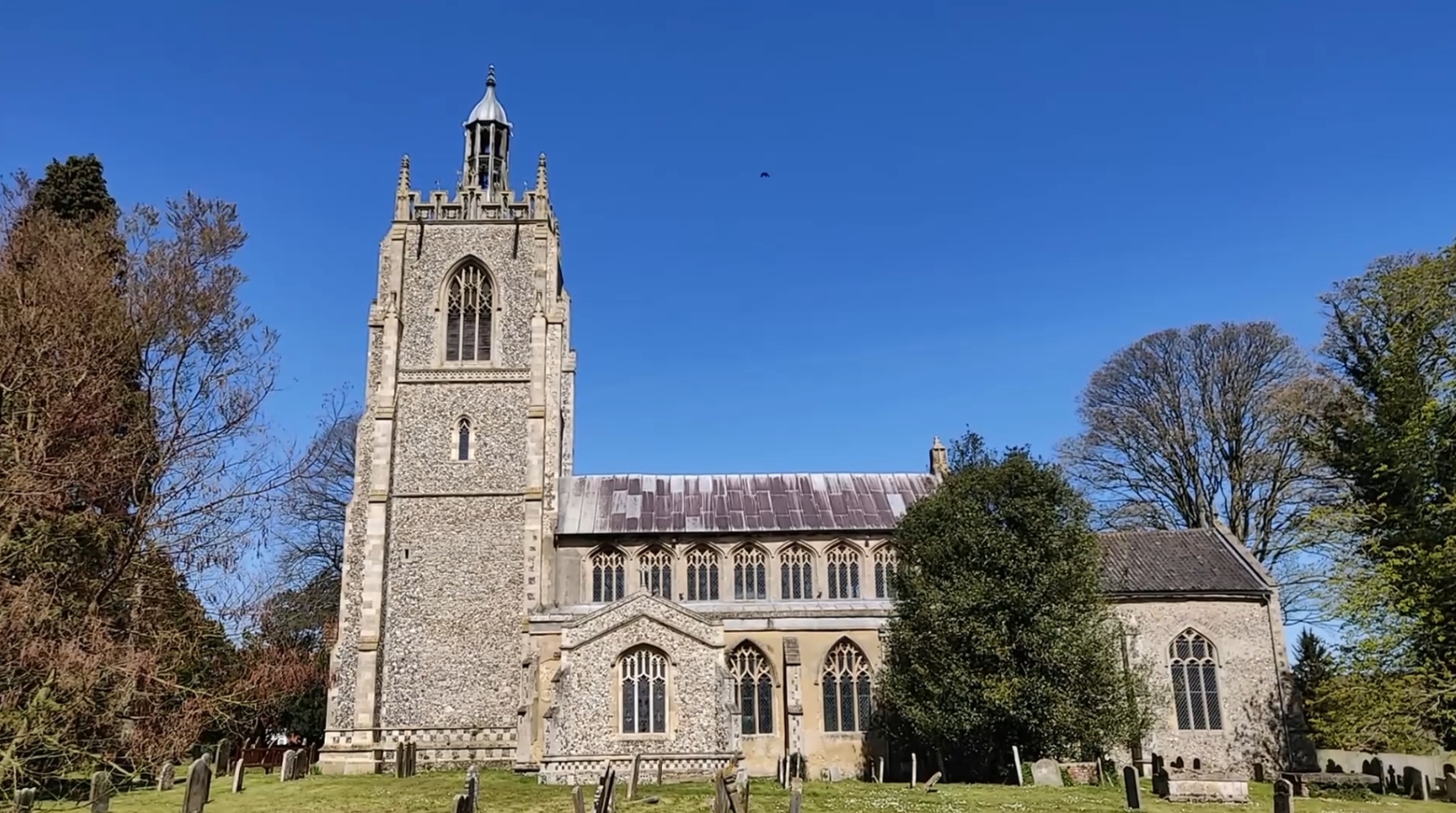
All Saints Necton

I’m delighted to be able to say that our churches will be open from the first Sunday in May (2nd) and you are all warmly invited. It can be difficult to explain to people who don’t come to church why those of us who do find it so immensely valuable and rewarding – after all it’s not a perfect institution and neither are we, the people who attend, and yet despite its weaknesses and imperfections it provides us all with a sense of common faith and community which can be very warm, very uplifting, very engaging and supportive, even in the most difficult and darkest of times.

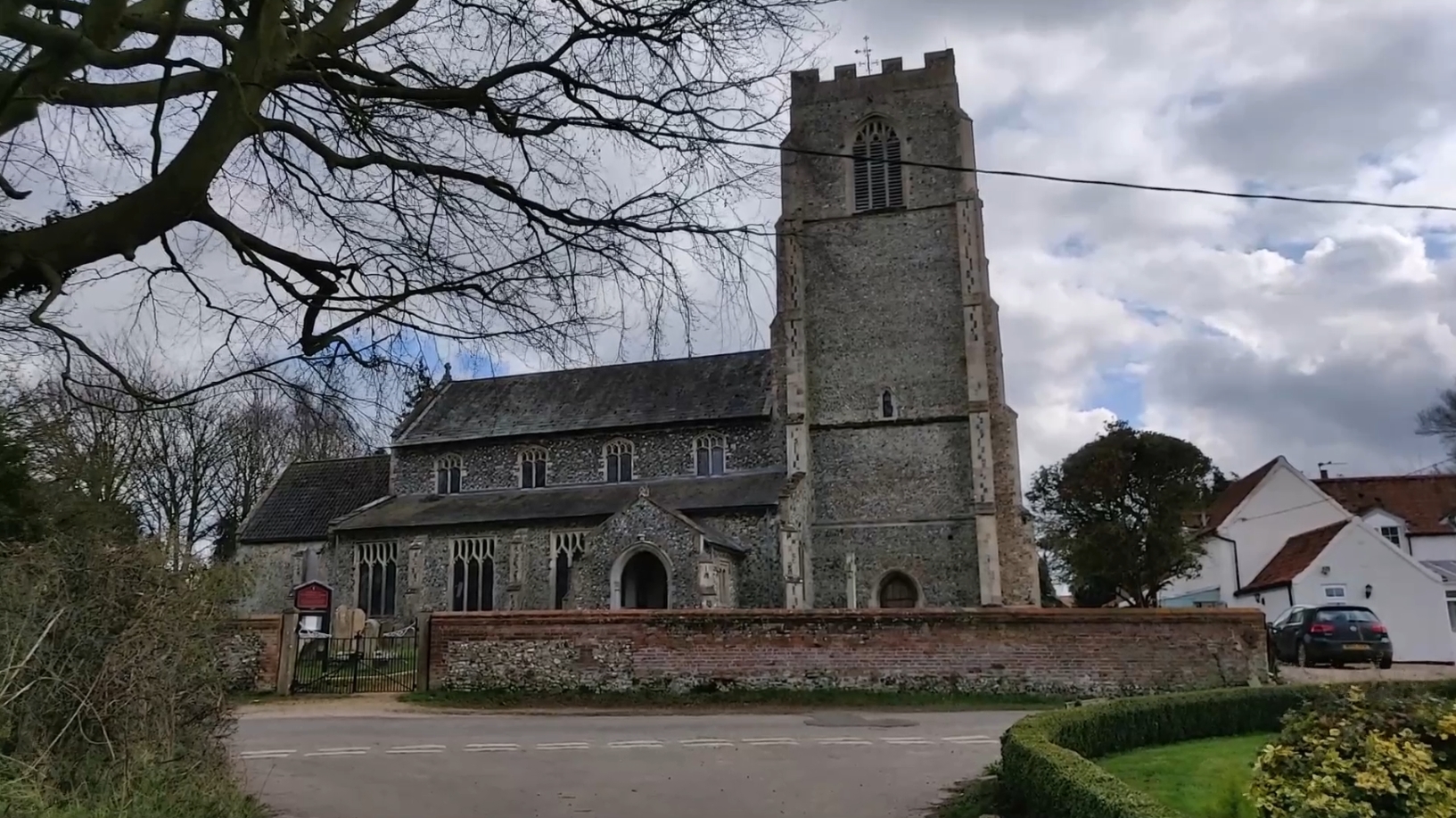
St Andrew’s Holme Hale

The church of course is a ‘religious institution’ but it is also so much more than this – it is a family, a fellowship and a community of faith built around the concept that we are all children of a loving God, who despite our failings demonstrates his loving concern through the life, death and resurrection of Jesus. Perhaps these ‘religious phrases’ are a mystery to those who have no concept of them or don’t really understand their significance, but faith comes from hearing, which leads to understanding – maybe not all at once, but over a period of time, perhaps by hearing a bible passage being read, a sermon being proclaimed, a prayer being uttered, a song being sung, a liturgical phrase being said, a conversation with a Christian friend or a quiet moment of contemplation. In our busy, modern, chaotic world, many people just don’t give themselves this opportunity when in fact, it may be the very thing that helps to lift and sustain them.

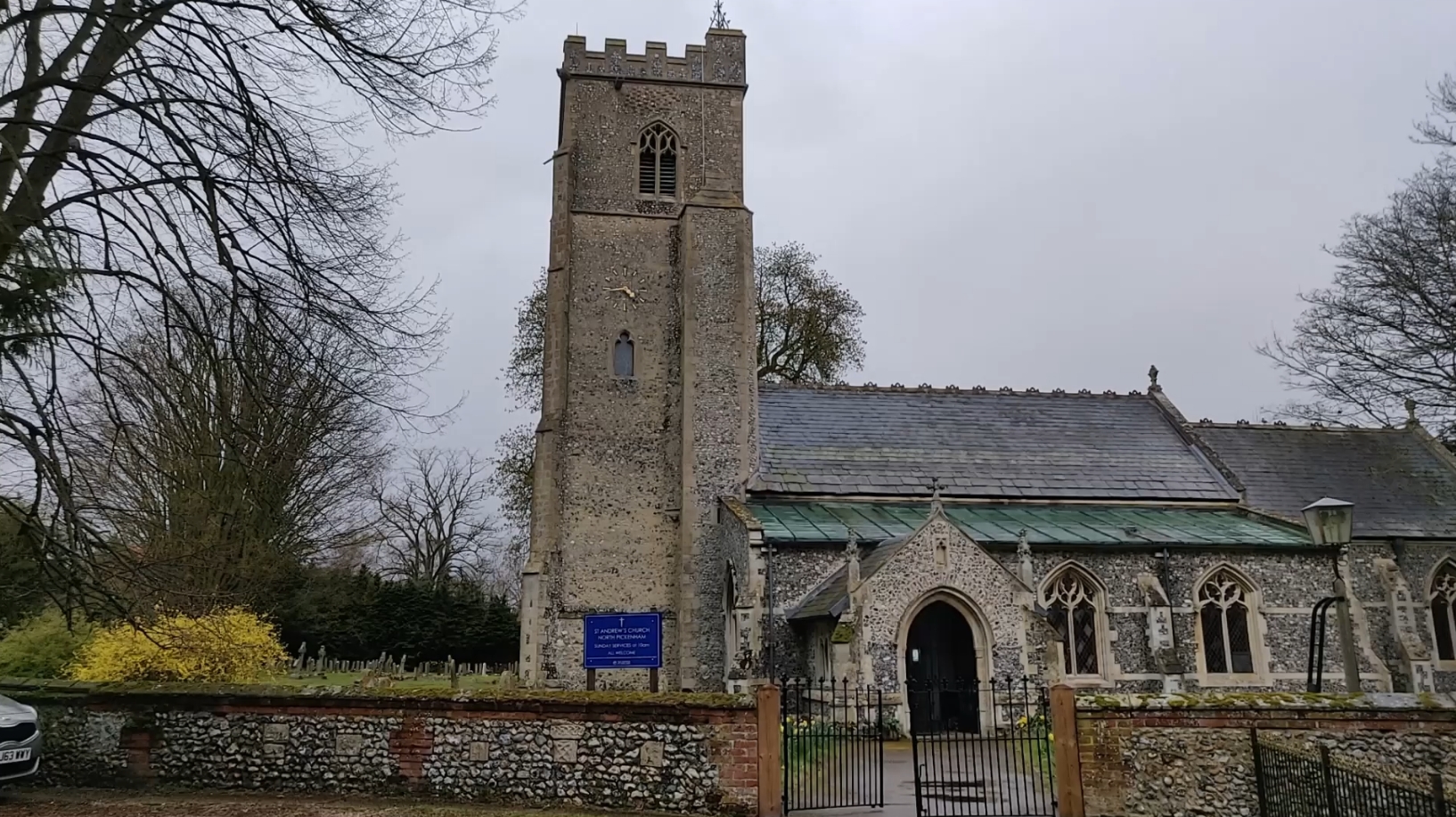
St Andrew’s North Pickenham

During the past year, the coronavirus has had a huge impact upon us, and many folk have either lost loved ones, or experienced a change in their circumstances. Thankfully, as we come out of lockdown it looks like things may be getting back to normal, but what sort of normal do we want? Today is a perfect moment for us to think, reflect and reset our lives, and who knows? Maybe a visit to church will help you to do that!

During the past year, many of us have benefitted from our online services and prayer meetings, but they are no substitute for the loving fellowship that we experience when we come together, and we would be delighted if you would join us!

(But please bring a mask!)


The Lord is my strength and my shield; my heart trusts in him, and I am helped. My heart leaps for joy and I will give thanks to him in song. Psalm 28.7


Easter – A New Day Dawning!


There is no doubt that this past year has been a very difficult time for us all, and for those who have sadly lost loved ones it will be a year which they will never forget. Although no one would pretend that the government has got everything right when it comes to the coronavirus pandemic, it’s roll out of the vaccination program with nearly 25 million people receiving their 1st dose of the vaccine as I write this letter, has been well received and applauded. This wonderful progress gives us all a sense of hope, that there is indeed ‘light at the end of tunnel’ and that hopefully one day soon our lives will be more like normal. Which is why the suspension of the AstraZeneca vaccine in at least 13 countries across Europe seems strange. Fears that the vaccine may cause blood clots has prompted the EU to follow ‘the cautious principle’ and restricts its distribution until they are confident that it is safe to do so, despite the fact that both the World Health Organisation and indeed Europe’s own European Medicines Agency has consistently said that there is no evidence that the AstraZenica vaccine is unsafe, and with only 40 suspected cases of blood clotting being reported out of a distribution pool of 17 million, the rate is less than that you might expect to find in the population generally. With many scientists feeling baffled as this development, the general conclusion is that this move is more politically motivated than data driven.

But of course, any delay in vaccine distribution has the potential to sadly cause more suffering and death.  

However, this sense of jumping to a conclusion without due consideration of the evidence is precisely how many people behave when it comes to thinking about Easter. They like the trappings of being with family and friends (in normal times) as we move into Spring and the Easter holidays, complete with chocolate treats and Easter eggs, but they don’t give any more serious thought to the significance of Easter than they do the ‘Easter bunny’!  But this is a shame, because, if they were to really consider the Easter story, and contemplate the significance of the life, death and resurrection of Jesus Christ, They would discover that not only is there a compelling case for Jesus to be the Son of God and the Saviour of the World, where the ‘facts’ speak for themselves, but the debate is much more significant, lively and robust that they would imagine. In fact, it’s life changing and life-giving! For you see, at the heart of the Christian gospel is the ‘Easter story’ which brings light into the darkness, life over death, and hope where there is despair. For many it would seem ludicrous to pass over the hope of a life-giving vaccine simply because one had been failed to give due weight to the evidence or come to it with some form of unfounded prejudice. It’s my hope that you won’t treat the Gospel story with the same distain, but allow a new day to dawn in your heart as you consider the evidence, ask all the right questions and come to it fresh and with an open mind.   

May I take this opportunity to wish you all a Happy Easter.


Finally the other disciple, who had reached the tomb first, also went inside. He saw and believed. John 20.8

“Are We Nearly There Yet?”

I’m sure we are all familiar with the concept of the plaintive cry of a small child on a long car journey who cries out – “are we nearly there yet?”, usually when going on holiday or travelling a great distance across the country. Well, this week we heard plenty of other distressed ‘holiday cries’ as people discovered that the government was imposing a 14 day quarantine period upon all travellers and holiday makers returning from Spain who it feared might be harbouring the coronavirus. Not only did the suddenness of the announcement take holiday makers by surprise, but holiday companies, travel firms and airlines were all equally caught out and swiftly started to complain that the government was being too heavy handed and extreme in its response which they thought unreasonable. Naturally, the Spanish authorities were indignant that they had been singled out in this way, and upset about the effect that this restriction would have upon their tourist industry and economy, arguing that many of their choice tourist locations were better protected and managed than their equivalents in the UK. But within a few days and with the number of Covid-19 infections rising in Germany, France and Belgium, it became clear that the government’s concern was far wider, fearing that a ‘second wave’ of the pandemic might be looming and swiftly sweep across Europe towards the UK.      

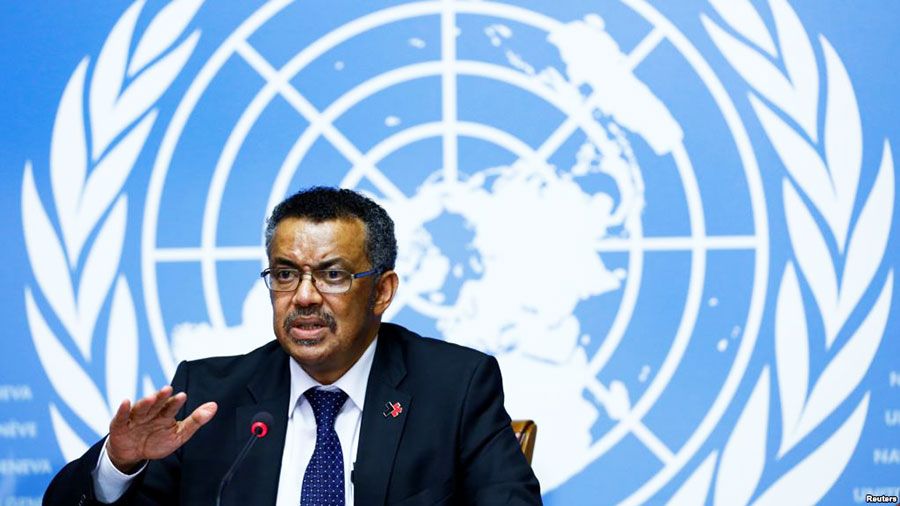
Apart from the obvious imperative of the government to protect its citizens, this episode demonstrated the sombre truth that despite the relaxing of lockdown restrictions and greater public freedoms, the virus had not gone away, and these latest measures politically symbolised the government’s resolve and willingness to act. Indeed, despite huge progress being made in terms of testing and the development of a vaccine, it was abundantly clear that as far as this particular journey was concerned, we weren’t ‘nearly there yet’; in fact we would still have to keep travelling and working together for some considerable time if we were ever going to reach our final goal and long held desire and ambition of a virus free future. This was a point made by Tedros Adhanom Ghebreyesus, the Director General of the World Health Organisation who despite telling the World’s media that the pandemic was accelerating (16 million cases of coronavirus had been reported to the WHO), still insisted that “We are not prisoners of the pandemic. Every single one of us can make a difference. The future is in our hands.”  If we are going to achieve our goal then we need to work together.

St Paul reminded the early church at Philippi that if they wanted to successfully overcome the trials and tribulations that came their way, then they needed to become more like Christ in both their attitude and outlook, for Christ had not avoided suffering but pushed his way through it in order to win the greater prize of eternal life and the forgiveness of sins for all those who put their faith and trust in him. It was Paul’s ambition to become more like him, thinking about and loving and caring for the world in the same way that Christ did. Now of course, nobody wants to suffer or likes it, but it is the manner in which we face it and lovingly support one another through it that makes all the difference and will ultimately help us overcome the trial before us and reach our destination.       

Forgetting what is behind and straining towards what is ahead, I press on towards the goal to win the prize for which God has called me heavenward in Christ Jesus. Philippians 4.13-14


What Are Your Hopes For The ‘New Normal’?


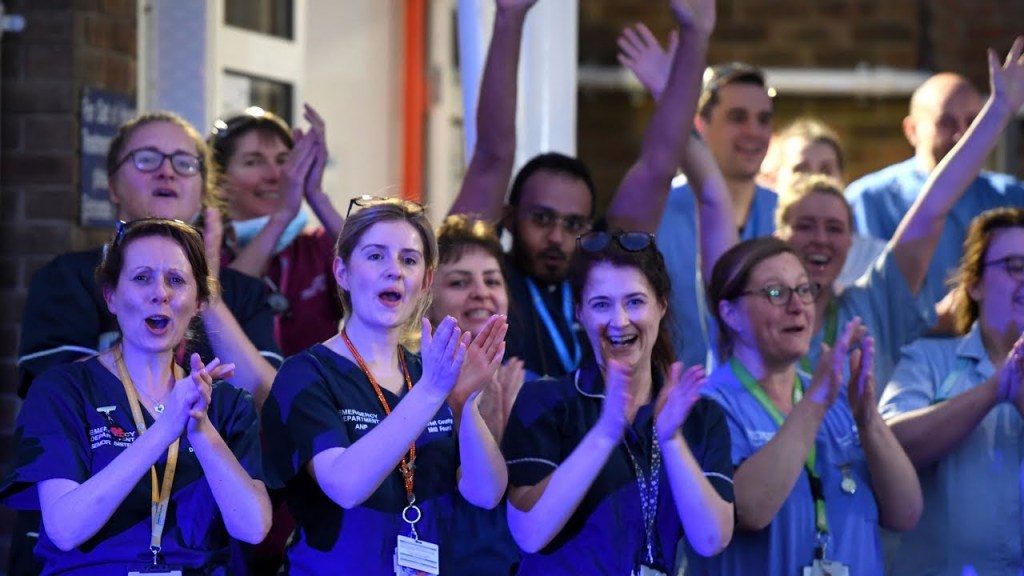
Despite the fact that, at the time of writing, we have the second highest infection rate in Europe (Sweden is first) bringing with it fears of a potential second wave of coronavirus infections, it certainly appears as if the government is slowly and determinedly bringing us out of lockdown! Thousands of non-essential shops can open as of the 15th June, along with zoos and safari parks, and churches have been told that they can reopen for ‘private prayer’. People may meet outside in groups of 6 as long as social distancing is observed, and single adults may form a ‘support bubble’ with one other household. However, as previously mentioned by the Foreign Secretary Dominic Raab, the restrictions will continue to ease in slowly and people will have to get used to a ‘new normal’. So what will life be like post this coronavirus crisis, and what are our hopes for the ‘new normal’? Well for some the new normal will be very painful as they miss loved ones who have sadly died, but others have expressed a hope and a desire that we might move into a new kinder, gentler society, where people of all persuasions, classes and colour are valued for who they are and adequately rewarded for the work they provide. Indeed, this terrible experience has shone a light upon the status of those who were previously considered to be in low paid, menial employment but whose roles have now been properly recognised as being essential to the wellbeing of the country. This was illustrated by the ten week period of ‘clapping for carers’, which initially started off as being purely for the NHS, but rapidly expanded to cover carers, ‘key workers’ and other essential services as people’s awareness and appreciation of one another grew. This kindness is certainly a lesson that we will need to carry on into the new normal, as no doubt there will be many more in need of such kind consideration as they struggle to make ends meet due to the loss of jobs and the nature of a weak and fragile economy.

The Christian will be reminded of the famous words of St Paul who, when describing the young church at Corinth reminded them, “That the body is a unit, though it is made up of many parts; and though all it’s parts are many, they form one body….the eye cannot say to the hand, ‘I don’t need you!’ And the head cannot say to the feet, ‘I don’t need you! On the contrary, those parts of the body that seem to be weaker are indispensable” (1 Corinthians 12.12,21-22). Of course, although this lesson was aimed at the Christian church, it is equally applicable to any Christian in society, indeed it’s a mark of good neighbourliness, care and concern. It encourages us not only to not take one another for granted but also demonstrates that we are all important and that we all have a role to play. I think this is fairly well summed up in the song that we so often hear the children sing in school:

When I needed a neighbour

Were you there, were you there?

When I needed a neighbour were you there?

And the creed and the colour

And the name won’t matter

Were you there?

If we can confidently sing the last verse ‘wherever you travel, I’ll be there’, then perhaps the ‘new normal’ will be something that we can all look forward and aspire to.


Love the Lord your God with all your heart. The second is this: Love your neighbour as yourself. There is no commandment greater than these. Mark 12.30-31


Patience Is A Virtue – Even In ‘Lockdown’

200501-coronavirus-research

Every Thursday evening my family and I, like many others, have stood outside our house clapping our hands, applauding the sterling work of the NHS whose doctors and nurses have been battling on the ‘front line’, looking after and caring for sick coronavirus patients. But over the weeks our appreciation has grown as we have become more aware (and thoughtful) of all those who are playing such a massive part at this difficult time, not just the doctors and nurses but all employees of the NHS; alongside care workers in care homes (the new and perhaps previously forgotten front line?); ‘key workers’ in so many various and different fields (supermarkets, schools, and utilities) and not forgetting the increasingly significant part played by funeral directors, whose own personal ‘risk’ is not inconsequential.

The panic buying of the first few weeks has been largely forgotten by the many acts of kindness that we have seen by members of the public as they look after and support one another, especially the vulnerable, at this difficult time. We have seen real acts of courage, bravery and sacrifice undertaken by those whose professionalism and dedication to public duty and care has put themselves at risk in the service of others. We remember especially all those doctors, nurses and care workers who have died, largely and inexplicably from the BAME community. All this has been coupled with massive acts of generosity as people have rallied to support one another and the NHS behind such inspirational figure heads as Captain Tom Moore.

Coronavirus stats

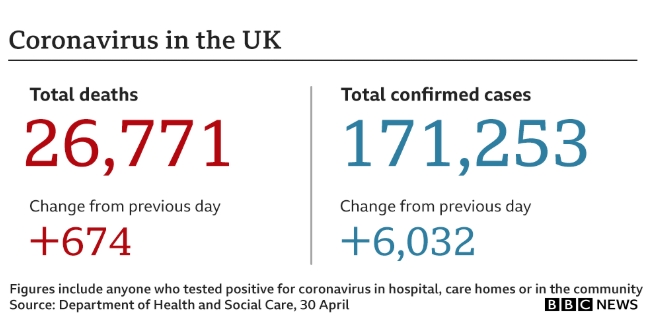
But of all the virtues we have witnessed there is one that seems to be in increasingly short supply (particularly in the media) and that is – patience! Despite being told from the outset that this crisis would be more like a marathon than a sprint, we were barely ‘locked down’ for a fortnight before the media started to ask as to when the lockdown might be lifted. This question gained momentum from business and opposition parties as the cost to business and the economy started to bite. In one sense these are natural questions to ask and no one underestimates the very real pain and uncertainty that people are feeling and experiencing. The costs and pain to peoples’ lives and livelihoods at this time is immense, and yet I would suggest that it is nothing compared to the pain of losing a loved one. For many life will go on, even if it is different, but once you have lost someone you can never get that life back! That’s why it is crucial that we all pay attention to the rate of infection (the ‘R’ number) and follow the government guidelines. Until we have ‘flattened the curve’ and this number becomes ‘1’ or ‘less than 1’ it would be irresponsible to lift the restrictions. The cost to the economy and people’s lives would be much, much worse if we allowed this rate to increase again – which it could easily and very rapidly do. At the time of writing 26,771 people have died of the coronavirus in the UK alone, a rise of 674 from the previous day. These are unprecedented numbers which is why we must hold on to our nerve and our courage! We must bravely hold on to our resolve and our dedication. We must continue to have faith, courage and patience! As tempting as it may be to return to work, to enjoy the sunshine and pick up our normal lives once again, we can’t until it is safe to do so. Neither can we allow the sacrifice of others to be wasted, nor destroy our hope for a better future.

BB13uBmy

The Christian will be aware that Jesus also undertook a very long, arduous and painful journey towards the cross. The shadow of his looming death must have been a constant and fearful presence, and yet he bravely continued on, knowing that it would be the only way by which others might be saved. So, at this time of national crisis, let’s continue to embrace the path which is set out before us, doing so with the same love, resolve, determination and kind generosity of spirit – and let us be patient!  


4 Love is patient, love is kind. It does not envy, it does not boast, it is not proud…. 6 Love does not delight in evil but rejoices with the truth. 7 It always protects, always trusts, always hopes, always perseveres.

            1 Corinthians 13.4,6-7


Necton Benefice Logo

What Can The Coronavirus Teach Us About Human Kindness?

14-page-14-photo-1_7

Today, we learnt that Sally and David Abel who were among 74 British nationals quarantined on board the Diamond Princess cruise ship off Yokohama, Japan had tested positive for the Coronavirus. Their frustration with the British Foreign Office for not being able to get them off the cruise ship and home was obvious, particularly in the light of the fact that American passengers had been repatriated only the day before. The sudden appearance of this hitherto unknown virus remains something of a mystery, but its ability to spread quickly from person to person before symptoms became obvious was alarming – hence the need for a recommended 14 day quarantine period. The problem is that while the vast majority of people will only experience a mild illness, a few (currently 3%) can become critically ill, usually those who are already elderly and frail with respiratory problems, or health workers who have been exposed to the virus over a lengthy and sustained period. Despite the draconian measures, the Chinese have been largely praised for their handling of the situation and even here in the UK, Parliament has passed measures allowing the Police to force those at risk of coronavirus into quarantine, with the Health Secretary warning that the spread of the virus is a ‘serious and imminent threat’ to the British public. So should we be alarmed?

Well yes and no! We shouldn’t be alarmed i.e. panic, but we should be concerned – and our response should be kind, careful and considerate. Should it become evident that we have the coronavirus within our community, we shouldn’t be alarmist, but we should take care not to cough, splutter and sneeze over one another. We should be disciplined when it comes to our personal hygiene, washing hands etc and sufferers should be willing to self-isolate themselves and contact their GP by telephone as soon as they feel poorly.

In many ways these simple but profound measures may be viewed as wise and prudent acts of kindness which demonstrate a natural and loving concern for one another as well as for one’s self. Whereas the situation could be so easily exasperated if we mistakenly think that we are somehow immune to the illness or that it’s someone else’s problem. Christians will immediately see the significance of the Biblical command to not only love God but to love one’s neighbour as one’s self (Luke 10.27) in such circumstances, because it’s only by paying due regard to each aspect of this command (neighbour and self) that we can truly look after each other and protect our communities.


Blessed are those who have regard for the weak; the Lord delivers them in times of trouble. Psalm 41.1