Praying for Parliament, Politicians and the Prime Minister

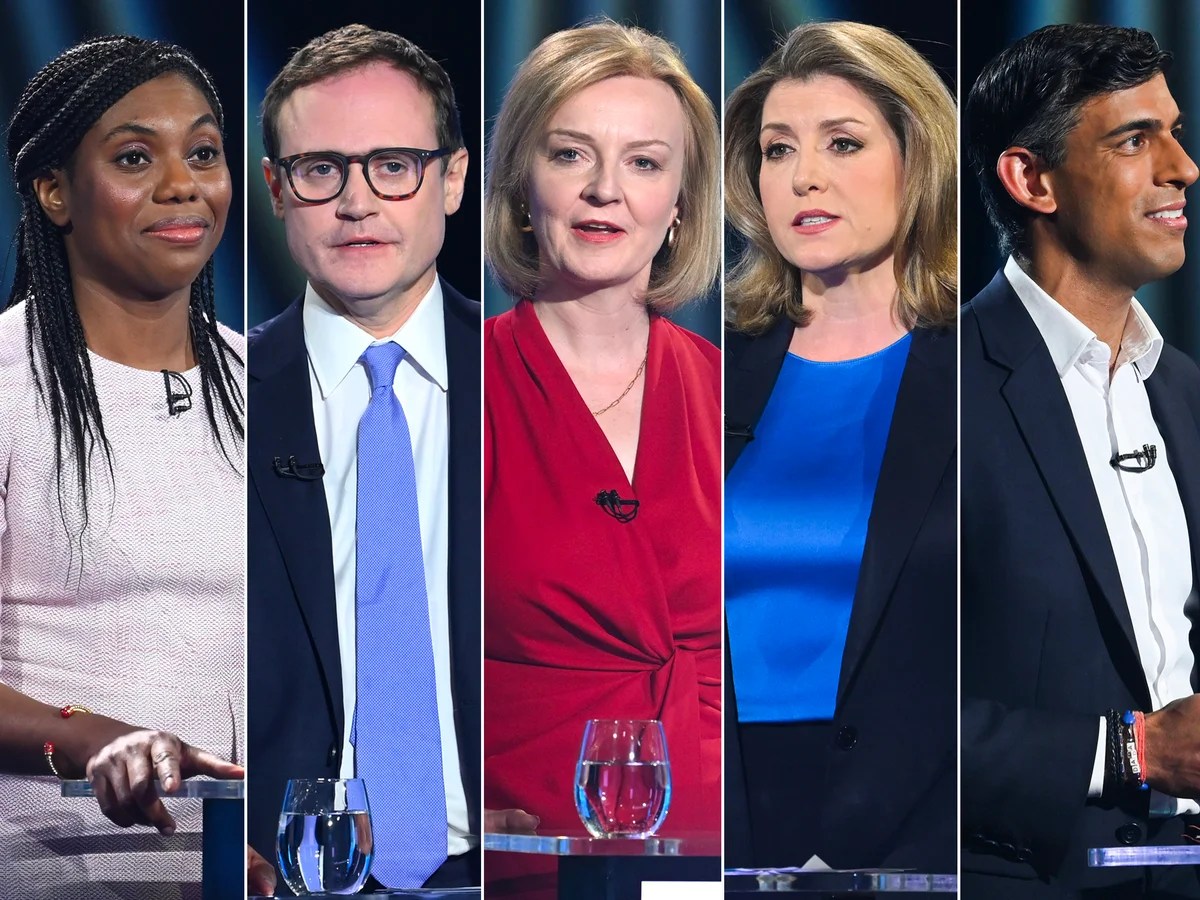
Things are certainly hotting up today, for not only has The Met Office issued a red warning (level 4) indicating a state of national emergency as the country braces itself for a heat wave that could exceed 40oC,  but also Conservative politicians are in a race to see who will be the next leader of the Conservative party and with it, the next Prime Minister. At the time of writing 5 candidates remain, Kemi Badenoch, Penny Mordaunt, Rishi Sunak, Liz Truss and Tom Tugendhat and as they appeared in the first TV debate, sparks began to fly.

But whatever your politics or personal preference, it’s worth taking a step back and asking yourself seriously, who would really want the job at this particular time in the nation’s life?  Oh yes, there is certainly plenty of power, prestige and glory to be had if you get things right and make the right decisions, but if you get things wrong, or make a mistake or simply have a run of bad luck, you can very quickly find all that power and authority slipping away from you, as Boris Johnson was to discover, and before you know it – you’re toast! Or as Boris Johnson strangely put it ‘them’s the breaks’. And of course the problems upon any future successor are considerable, such as the cost of living crisis and inflation (with huge pressures by trade unions for higher wages and pay settlements); sorting out the Northern Ireland protocol and making the most of Brexit; and most seriously of all, the terrible war in Ukraine which looks like it is only going to get worse before it gets better, leading to an immense loss of life, tremendous pain and suffering, and global food shortages exasperated by climate change; not forgetting that the coronavirus is still with us. Any one of these would be a real headache for any Prime Minster, but to face them all at once is an immense challenge.

The Bible encourages us to pray ‘for kings and all those in authority, that we may live peaceful and quiet lives in all godliness and holiness’ and whatever your politics or religious outlook, we should all prayerfully, support and encourage our politicians to act with fairness, honesty and integrity, and with strength to meet the challenges of the day upon which all our lives depend.     

I urge, then,… that …prayers, …be made for everyone— for kings and all those in authority, that we may live peaceful and quiet lives in all godliness and holiness.

1 Timothy 2.1–2
Where is the truth and does it matter?

I think we can all agree that today (15th June) was a bad day for the Prime Minister, for not only did the EU restart its legal proceedings against the government plans to unilaterally scrap parts of the Northern Ireland Protocol, but also a fiercely heated debate took place over ‘who understood what’ at the time of signing the Brexit deal and how it should be practically interpreted – with the European Commission vice-president Maros Sefcovic effectively accusing the British government of lying to the general public. Secondly, Lord Geidt resigned from his position as Boris Johnson’s independent ethics advisor stating that there was a legitimate question as to whether the Prime Minister broke the ministerial rules over Partygate. Once again, the whole issue of ‘who knew what’ and who was lying came to the fore.

The problem is that we live today in a postmodern world where it is fashionable to believe that there is no such thing as absolute truth; all truth is said to be relative, depending upon your own particular point of view, which in the realm of politics (and much of society at large) tends to mean that ‘the truth’ becomes whatever suits me and is the most convenient and practically expedient. In fact, in recent years,  the most expedient thing has often been to deny the truth completely. We saw this in Donald Trump’s use of the term ‘Fake News’ to dismiss anything that he didn’t agree with, and his false accusation that the US Presidential election result was rigged, which in recent days even close family members and political advisors have dismissed as nonsense. Sadly, we have seen the most serious and blatant denial of truth coming from Russia, as President Putin conducts his ‘special military operation’ within Ukraine, which most observers would have no hesitation in calling a war, which has disastrous consequences for us all.

The problem with all this political spin, ‘fake news’ and propaganda is that it erodes trust as people lose faith in their political leaders and become disillusioned and suspicious instead. What can we believe and where can truth be found?

One’s own perspective of the world is greatly determined by one’s values and what one believes, which is why for many, Christianity offers a bedrock of security in a sea of change and relativity, for in the person of Jesus, we see a man who as the ‘Son of God’ not only had a great love and compassion for the world, but also kept his promises, living a life full of integrity and truth, backing up his words with action. Jesus had described himself as ‘the way, the truth and the life’ (John 14.6), offering his disciples not only a way to his Father in heaven but ‘life in all it’s fullness’ (John 10.10) and a ‘truth that will set you free’ (John 8.32). Despite the fact that the people were living in difficult and uncertain times, because he spoke with such authority and lived with such integrity, people were willing to embrace his words ‘do not let your hearts be troubled. Trust in God, trust also in me’ (John 14.1), and many people did trust Jesus because not only were his words trustworthy and true, but also so were his actions, as ultimately demonstrated by his life, death and resurrection.

As much as I would like everyone to enjoy a firm confidence in Christ, I’m also certain that we need to step back from a world where ‘all things are relative’ but have the confidence of one’s own convictions, for paraphrasing a comment made by Jeff Myers, a Christian commentator – ‘If something is true, then it is true whether we admit it, like it or not! May we and all our politicians live in the light of such certainty, and within it foster a high regard and appreciation for the truth.


 31 Jesus said, “If you hold to my teaching, you are really my disciples. 32 Then you will know the truth, and the truth will set you free.” John 8.31-32

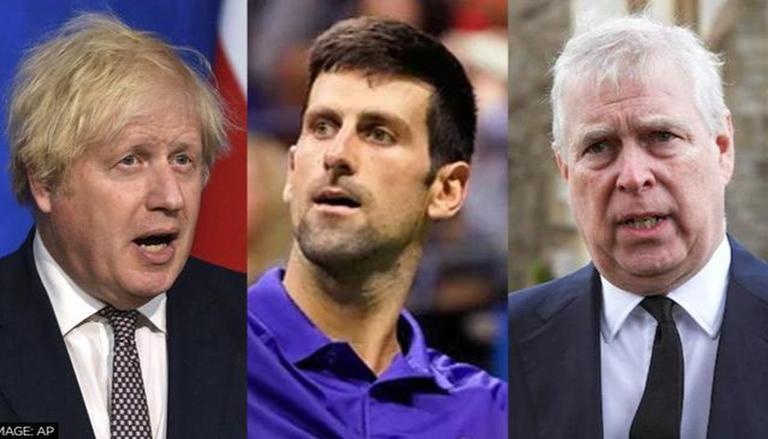
What do Boris Johnson, Prince Andrew and Novak Djokovic all have in common?


They all believed that they were free to do as they wished with little thought of the consequences or how their actions might be felt, perceived, or viewed by others. Sue Barker, the BBC’s tennis commentator and presenter, was spot on when she spoke to Radio 4 about Novak Djokovic being thrown out of the Australian Open because of his lack of vaccination status.

“We wanted the No 1 player in the world. He could have been there by being vaccinated. I know he’s chosen not to and that is his right, but it is also his choice and with that choice come consequences and this is why he is where he is now.”

Novak Djokovic may have felt that he was entitled to play, but his choice not to be vaccinated led others to think otherwise. Boris Johnson may have felt that behind the closed doors of Number 10, there was little difference or distinction between meeting for work or for drinks, but when it became public knowledge against such a stark background of the pandemic and its restrictions, many were aghast that the Prime Minister and his colleagues should think that they were above the rules. Prince Andrew’s story is still unfolding, but with his military titles and patronages already stripped from him, along with the use of his  HRH title, it is clear that the consequences of previous choices and company are profound.

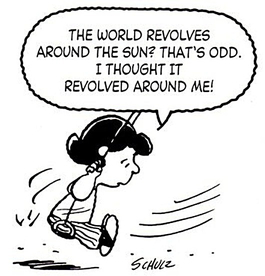
It’s easy for us to point the finger and accuse others of hypocrisy, but in truth how many of us haven’t bent or ignored the rules from time to time to suit our own dreams, desires and convenience?  We all have a natural tendency to put ourselves at the centre of the universe and expect the world to obey us. Sometimes our misdemeanours are frivolous and of no real consequence, but sometimes they become huge, affecting not only ourselves but also others. The Bible calls this waywardness ‘sin’, and perhaps the word sin should be spelt with a capital ‘I’, because so often the causes of sin are the pursuit of ‘me, ‘myself’ and ‘I’. In other words the putting of myself first, spoiling our lives and those of the people around us.

The Christian will be aware that God hates sin, but he loves us and through the loving and selfless actions of Jesus Christ and his death upon the cross, God takes the tremendous pain and consequences of our sin upon himself and offers us, in exchange, the forgiveness of sins, freedom to start again and the hope of a new life – a hope which is eternal.

Let’s be clear, in this life none of us are perfect or ever shall be, but in Christ we are given a new life and a new perspective, one which helps us to be a bit more loving, thoughtful and considerate not only about the people around us but the consequences of our choices and the way we behave.


“And what does the LORD require of you? To act justly and to love mercy and to walk humbly with your God.” Micah 6.8

Remembrance Sunday – Are we in danger of forgetting?

Later this month we will be observing Remembrance Sunday, the annual occasion when we as a nation can come together to mark and remember with gratitude all those who gave their lives serving their country throughout two world wars and other conflicts. This simple act of remembrance is supposed to encourage us to strive for peace as we appreciate the incredible cost of war and the damage that it does to all concerned. Yet it seems as if the world in which we live is more fragile than ever, not only in terms of the environment marked by the COP26 climate conference, but by the volatile nature of world relations. Although we may have got used to the almost routine launching of missiles by North Korea over the seas of South Korea, the world was shocked by the belief that China had launched a hypersonic missile that flew around the world at five times the speed of sound. Senator Lindsey Graham said, “If in fact, the Chinese have developed a hypersonic missile that can deliver a nuclear weapon, it’s a military game-changer when it comes to nuclear forces – God help us all”.  “We have no idea how they did this,” another US intelligence official is quoted as saying. Despite the fact that the Chinese may simply be developing their space technology and that respective nations are still seeking investment and wishing ‘to do business’ with China, the International Institute for Strategic Studies has concluded that its global ambitions are clear, for in terms of tonnage, China has launched more submarines and warships than any other nation, equivalent to the entire Royal Navy every four years.

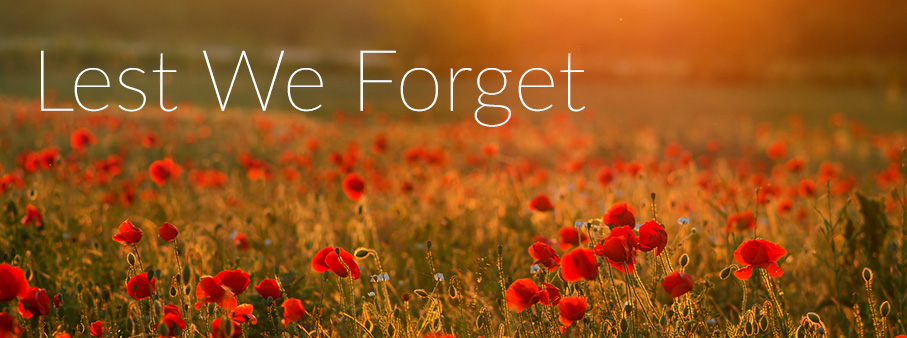
And yet, as recent events in Afghanistan remind us, military take overs by dictatorial regimes do not always lead to greater freedoms, security, prosperity or peace. We seem to be in danger of forgetting ourselves and the terrible cost of war and hostility. Surely, the heart of the problem is the problem of the human heart! – especially when people, countries and nations seek to manipulate, gain control and take advantage of those around them. The Christian will be mindful of the words of Jesus, who reminded the crowds that “out of men’s hearts, come evil thoughts, .. theft, murder, .. greed, .. arrogance and folly” (Mark 9.21-22). The recent death of Sir David Amess was a tragedy, but his family were absolutely right when they called for a change of heart. “Our hearts are shattered,” they said. “We ask people to set aside their differences and show kindness and love to all”. Jesus had said something similar when he had commanded his disciples “to love each other as I have loved you” (John 15.9). Loving like this requires a real change of heart, mind and perspective; one that does not seek to simply better oneself, but puts the other person first so that collectively we might all live better lives of freedom, love, joy and peace. These are the goals, values and ambitions that we should strive for and those that previous generations fought so hard to protect at great cost. So let us all take a moment to come together this Remembrance Sunday – ‘lest we forget’.  


Be careful … that you do not forget the things your eyes have seen or let them slip from your heart as long as you live. Deuteronomy 4.9

Lorry Drivers, Climate Change and Harvest

Later this month the UN climate conference known as COP26 will be held in Glasgow. Its main aim is to bring the leaders of the nations around the same table not simply to discuss climate change and global warming, but to be the forum where governments can set ambitious targets and make binding decisions that will mitigate the effects of global warming and climate change around the world; such as ending the use of coal, preventing deforestation, switching to electric vehicles and investing in renewable energy. It would be nice to think that everyone would be ‘singing from the same hymn sheet’ but no doubt there will be a lot of ‘last minute’ debate and argument (and bartering for compensation) going on between the more developed richer nations and those poorer, less well developed nations ‘playing catch up’. Let’s hope that the conference delegates, politicians and diplomats will be able to set just the right political climate for genuine positive good.

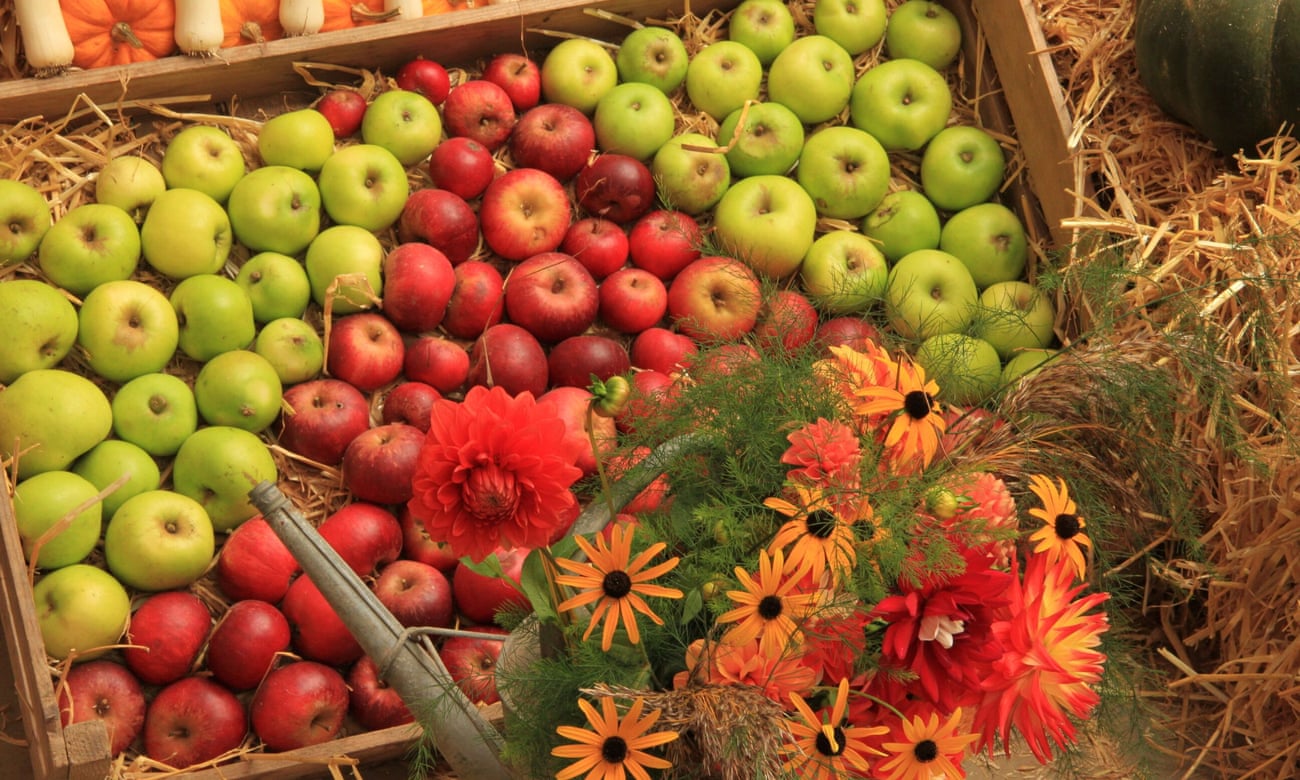
Closer to home, we are concerned not just about the effects of the weather, (hotter days and more floods) but the lack of both economic and agricultural workers to help sustain and feed the nation coming out of the coronavirus pandemic. Most notably, the shortage of lorry-drivers who haven’t been able to keep up with demand resulting in shortage of food and other commodities on our supermarket shelves. Already some politicians and newspapers are voicing their fears for Christmas. This is why harvest is such an important time of the year! It allows us to focus our minds on the good things that we have and enjoy, rather than the things we do not! Compared to so many people in less fortunate parts of the world we are well and truly blessed. When natural disasters caused by climate change, and manmade disasters caused by war and conflict have caused so much devastation in so many other parts of the world, it doesn’t seem right that we should be so stressed about whether we have a turkey for Christmas or not!

However, climate change is important and that is why we should all look at the way we live and consider how we can live more sustainably making the most of scarce resources. That is why at this year’s harvest service at All Saints Necton we are supporting the Send a Cow ‘healthy harvest’ appeal which teaches people in Africa, not only how to grow food in order to support and feed their families, but how they can do so while combating the effects of climate change such as soil erosion and drought.

This harvest let us be grateful for what we have and focus on the needs of others as we do all that we can to encourage one another to live more creatively and yet sustainably.

Then the land will yield its harvest, and God, our God, will bless us. Psalm 76.6

Our Churches are Open – And You’re Invited!

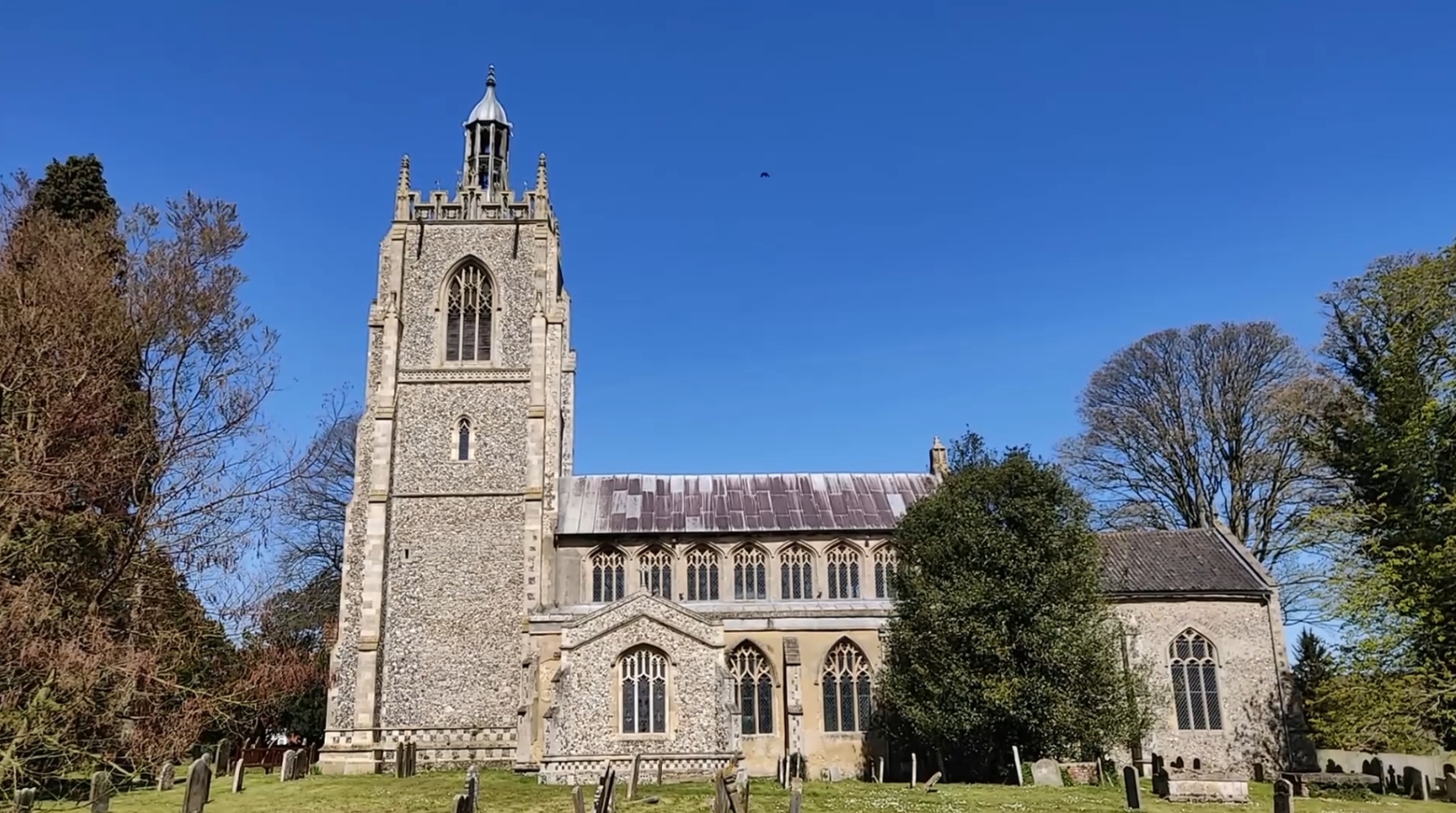
All Saints Necton

I’m delighted to be able to say that our churches will be open from the first Sunday in May (2nd) and you are all warmly invited. It can be difficult to explain to people who don’t come to church why those of us who do find it so immensely valuable and rewarding – after all it’s not a perfect institution and neither are we, the people who attend, and yet despite its weaknesses and imperfections it provides us all with a sense of common faith and community which can be very warm, very uplifting, very engaging and supportive, even in the most difficult and darkest of times.

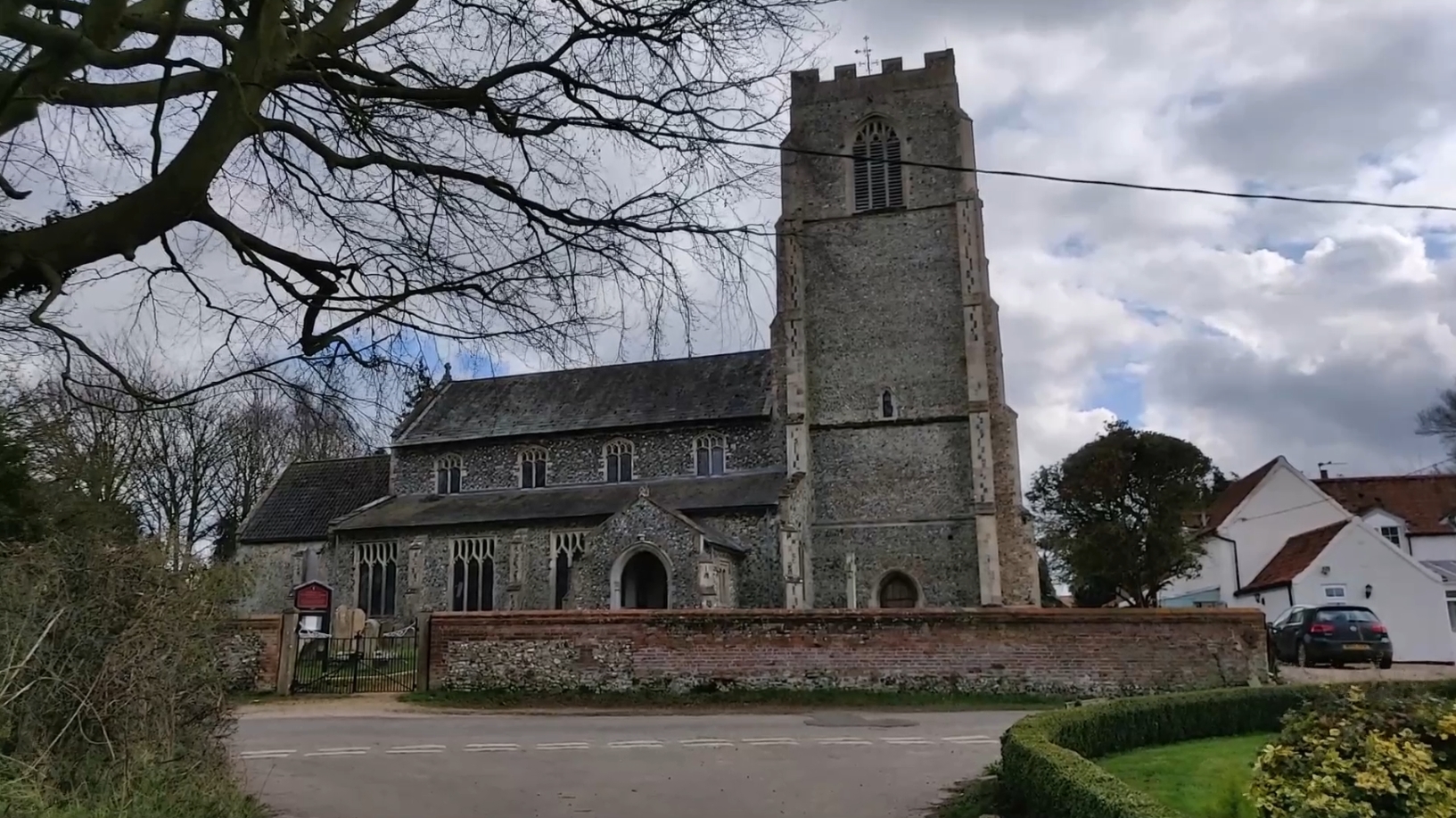
St Andrew’s Holme Hale

The church of course is a ‘religious institution’ but it is also so much more than this – it is a family, a fellowship and a community of faith built around the concept that we are all children of a loving God, who despite our failings demonstrates his loving concern through the life, death and resurrection of Jesus. Perhaps these ‘religious phrases’ are a mystery to those who have no concept of them or don’t really understand their significance, but faith comes from hearing, which leads to understanding – maybe not all at once, but over a period of time, perhaps by hearing a bible passage being read, a sermon being proclaimed, a prayer being uttered, a song being sung, a liturgical phrase being said, a conversation with a Christian friend or a quiet moment of contemplation. In our busy, modern, chaotic world, many people just don’t give themselves this opportunity when in fact, it may be the very thing that helps to lift and sustain them.

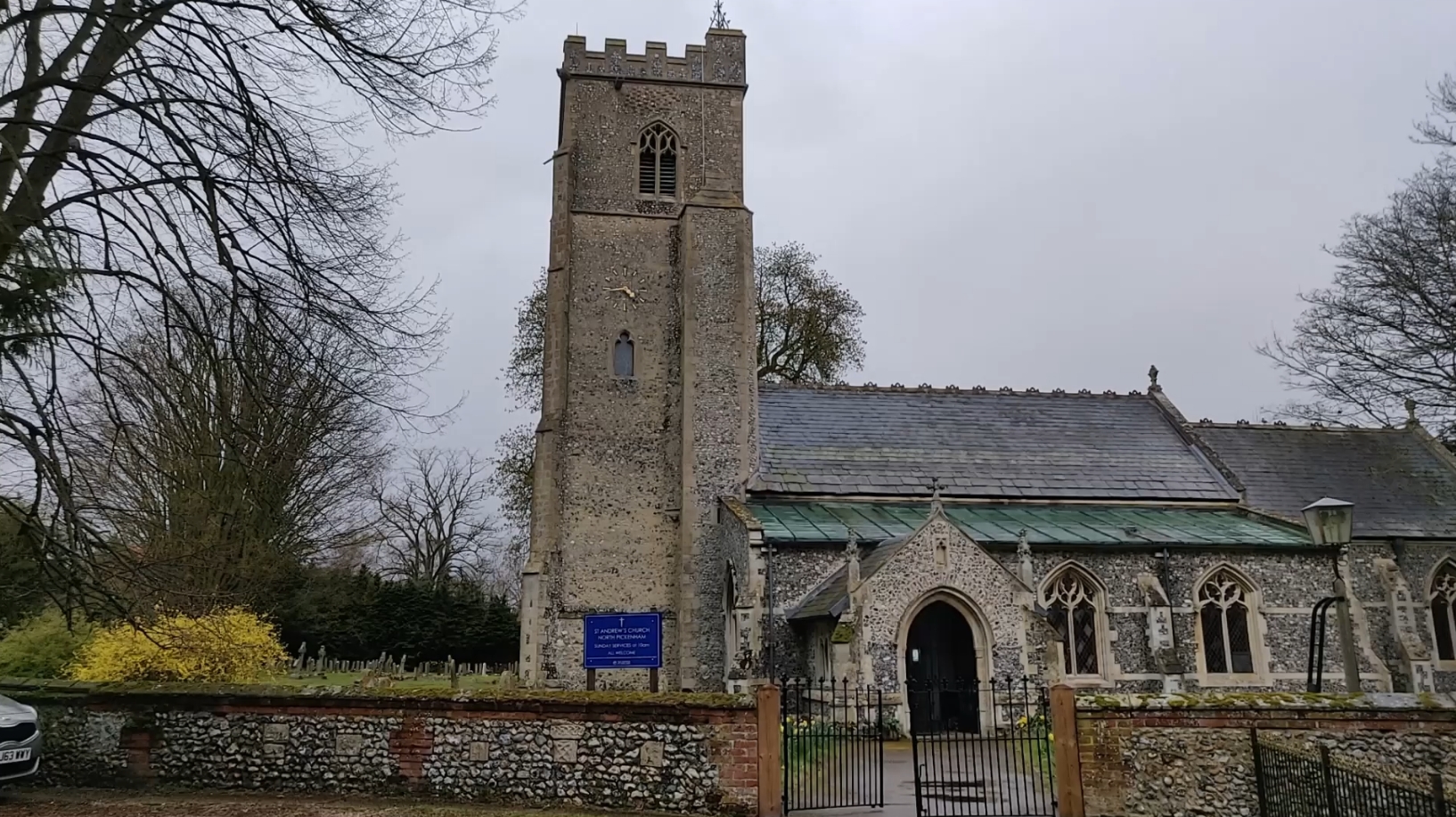
St Andrew’s North Pickenham

During the past year, the coronavirus has had a huge impact upon us, and many folk have either lost loved ones, or experienced a change in their circumstances. Thankfully, as we come out of lockdown it looks like things may be getting back to normal, but what sort of normal do we want? Today is a perfect moment for us to think, reflect and reset our lives, and who knows? Maybe a visit to church will help you to do that!

During the past year, many of us have benefitted from our online services and prayer meetings, but they are no substitute for the loving fellowship that we experience when we come together, and we would be delighted if you would join us!

(But please bring a mask!)


The Lord is my strength and my shield; my heart trusts in him, and I am helped. My heart leaps for joy and I will give thanks to him in song. Psalm 28.7


Christmas lights, Candle Arches, Comfort and Joy

This year, Christmas is going to look and feel very different to others. Although the vast majority of us will no doubt do our best to enjoy the festivities (especially now that university students will be able to return home), for some it will be a sad and painful experience as they contemplate Christmas without loved ones who have sadly died during the year because of the coronavirus or other associated issues. Which is why the Church of England’s Christmas campaign ‘Comfort and Joy’ is so aptly named, because although the title comes from the traditional Christmas carol ‘God rest ye merry gentlemen’, its essence is to be found in the Bible which speaks of a God who so loved the world that he was prepared to step into it, in the person of Jesus Christ. The baby born at Bethlehem was therefore God’s one true light, ‘the light of the world’ (John 8.12) who shines not only into the darkness of our world, but also our hearts and minds, and brings us life – life in all its fulness (John 10.10). This comes as no real surprise to the believer because as John so wonderfully reminds us in his Gospel, ‘in him was life and that life was the light of men’ (John 1.4). The nativity story therefore reminds us that however dark the world might be, God still loves and cares for us. It is this knowledge that the Bible describes as good news and which provides us with so much ‘comfort, hope and joy’ as we celebrate the fact that in Christ, God is with us.

The ancient Jew also believed that God was with them, for deep within the Temple there was the menorah, a golden lamp with seven branches which burned oil from evening to morning. Although several of the outer branches were allowed to burn out, the central branch was always kept alight as a symbol of God’s presence.

I know that many people like to celebrate Christmas by decorating their houses with Christmas lights and decorations, but in this most particular, peculiar and stressful of years, I would like to encourage as many people as possible to place a ‘candle arch’ in their windows, as a little act of prayer and blessing for their neighbours, families and friends, to remind us all that although this Christmas period may be different – the meaning of Christmas is still the same – that God is with us.

May I take this opportunity on behalf of my family and the parishes I represent, to wish you all a very Happy Christmas (full of comfort and joy) and a peaceful (coronavirus free) New Year.


“Glory to God in the highest, and on earth peace to those on whom his favour rests.” Luke 2.14

Are We Contributing To Our Own Extinction?

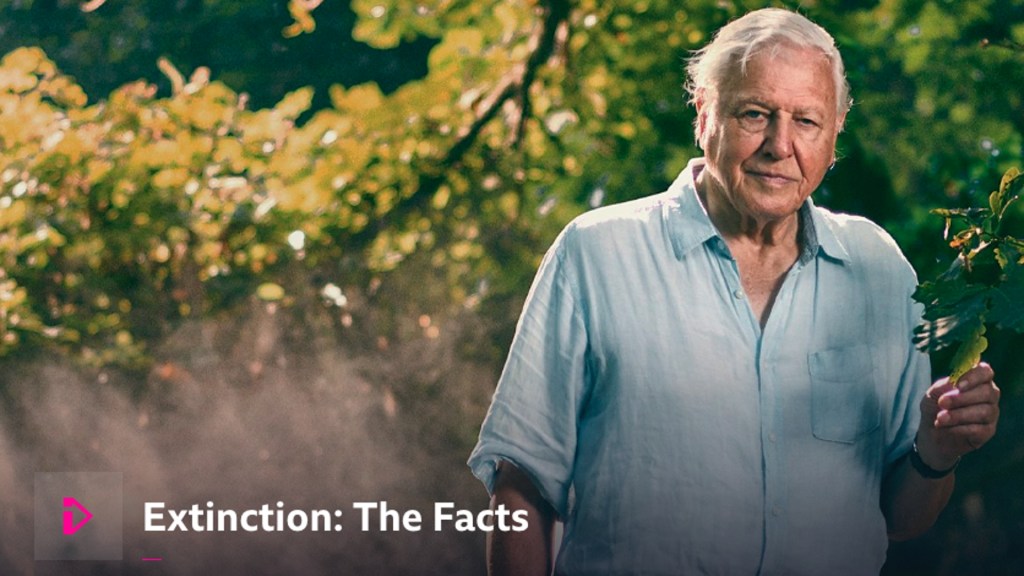
During September many viewers were left stunned having watched Sir David Attenborough’s latest television documentary Extinction: The Facts with the broadcast on the BBC deliberately timed to give publicity to the urgent report published by the United Nations’ Convention on Biological Diversity a few days later. This report concluded that “humanity is at a crossroads and we have to take action now to make space for nature to recover and slow it’s ‘accelerating decline’.” Indeed, Sir David Attenborough warned that “we are facing a crisis – and one that has consequences for us all.” Not only did one expert state that of the eight million species on Earth, a million are now threatened with extinction, but the links between nature and the environment and our own future physical wellbeing were made abundantly clear. Alongside the familiar concerns of climate change, intensive farming and industrial scale encroachment upon the natural order by humans ravaging and plundering it’s natural resources, seas, forests, land etc, and polluting the environment – a stunning (and some would say somewhat controversial) link was made between the ever increasing ‘close contact’ of humans to animals resulting in the transmission of viruses from one species to another, leading to an increased likelihood of pandemics across the world, such as SARs, MERs, Ebola and the coronavirus Covid-19.

Elizabeth Maruma Mrema, the convention’s executive secretary stated that “Things have to change. It is land. It is forest. It is agriculture. It is the ocean. It is pollution. So we need to change our production patterns, our consumption patterns. The choices of the food we eat, human encroachment in the wildlife, into the forest. So these need to change”.

The problem is that for so long we have viewed the earth as our domain, a simple resource to reap and plunder as we see fit. We have forgotten that first and foremost the Earth is not a resource but a gift! And it is not ours alone, but a gift for all generations. For so long we believed that there was enough food in the world to feed all it’s people, if only we could share it more equitably – but we underestimated the profit motive, the rapid advance of technology and the expansion of populations. Now we are struggling to feed the world and live sustainably. We are damaging the world and in a whole manner of different ways we are risking our collective futures. The time has come for change!

In his book Renewing the face of the Earth, David Atkinson reminds the Christian that ‘the earth is the Lord’s and all that is in it’ (Psalm 24.1) and that we have a royal calling to serve and protect it for the good of all, whether it be by our political involvement or personal living. We can hold governments and large organisations to account by the choices we make at the ballot box, the cash till and through the charities we support. Together as individuals and as communities we can make a difference! But this will require us to think and act generously in the best interests of others, and often sacrificially for ourselves, which mirrors the love of God for us in the person of Christ. Atkinson thinks it is not by accident that the Church’s Holy Communion service reminds the recipient that they are called to be ‘living sacrifices’ as they go out into the world, living generous and unselfish lives – which is in fact, is a sentiment that many of us could adopt if we wish to continue to live in a just, caring and sustainable world which does all that it can to preserve the environment, protect our biological diversity and promote our mutual wellbeing.

How many are your works, O Lord! In wisdom you made them all; the earth is full of your creatures. Psalm 104.24


“Are We Nearly There Yet?”

I’m sure we are all familiar with the concept of the plaintive cry of a small child on a long car journey who cries out – “are we nearly there yet?”, usually when going on holiday or travelling a great distance across the country. Well, this week we heard plenty of other distressed ‘holiday cries’ as people discovered that the government was imposing a 14 day quarantine period upon all travellers and holiday makers returning from Spain who it feared might be harbouring the coronavirus. Not only did the suddenness of the announcement take holiday makers by surprise, but holiday companies, travel firms and airlines were all equally caught out and swiftly started to complain that the government was being too heavy handed and extreme in its response which they thought unreasonable. Naturally, the Spanish authorities were indignant that they had been singled out in this way, and upset about the effect that this restriction would have upon their tourist industry and economy, arguing that many of their choice tourist locations were better protected and managed than their equivalents in the UK. But within a few days and with the number of Covid-19 infections rising in Germany, France and Belgium, it became clear that the government’s concern was far wider, fearing that a ‘second wave’ of the pandemic might be looming and swiftly sweep across Europe towards the UK.      

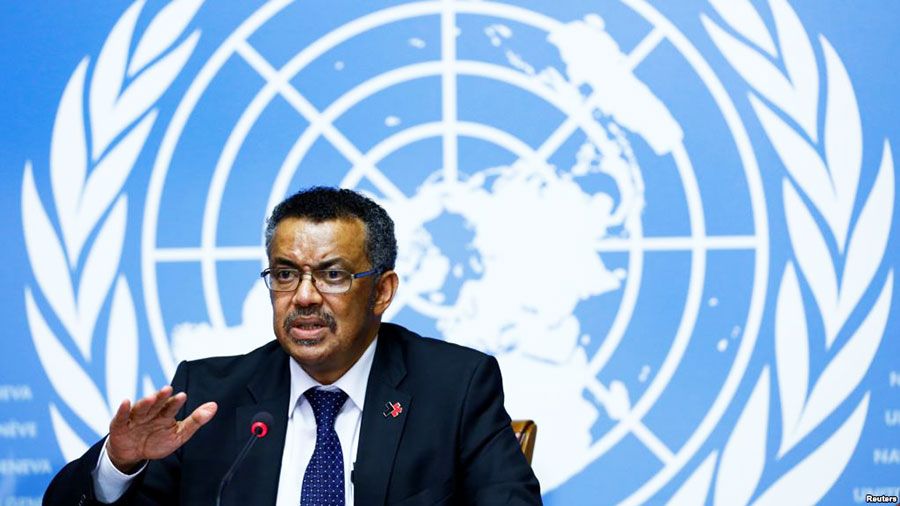
Apart from the obvious imperative of the government to protect its citizens, this episode demonstrated the sombre truth that despite the relaxing of lockdown restrictions and greater public freedoms, the virus had not gone away, and these latest measures politically symbolised the government’s resolve and willingness to act. Indeed, despite huge progress being made in terms of testing and the development of a vaccine, it was abundantly clear that as far as this particular journey was concerned, we weren’t ‘nearly there yet’; in fact we would still have to keep travelling and working together for some considerable time if we were ever going to reach our final goal and long held desire and ambition of a virus free future. This was a point made by Tedros Adhanom Ghebreyesus, the Director General of the World Health Organisation who despite telling the World’s media that the pandemic was accelerating (16 million cases of coronavirus had been reported to the WHO), still insisted that “We are not prisoners of the pandemic. Every single one of us can make a difference. The future is in our hands.”  If we are going to achieve our goal then we need to work together.

St Paul reminded the early church at Philippi that if they wanted to successfully overcome the trials and tribulations that came their way, then they needed to become more like Christ in both their attitude and outlook, for Christ had not avoided suffering but pushed his way through it in order to win the greater prize of eternal life and the forgiveness of sins for all those who put their faith and trust in him. It was Paul’s ambition to become more like him, thinking about and loving and caring for the world in the same way that Christ did. Now of course, nobody wants to suffer or likes it, but it is the manner in which we face it and lovingly support one another through it that makes all the difference and will ultimately help us overcome the trial before us and reach our destination.       

Forgetting what is behind and straining towards what is ahead, I press on towards the goal to win the prize for which God has called me heavenward in Christ Jesus. Philippians 4.13-14


Easter, the Coronavirus and ‘Doing Whatever it Takes’

Easter Day 3

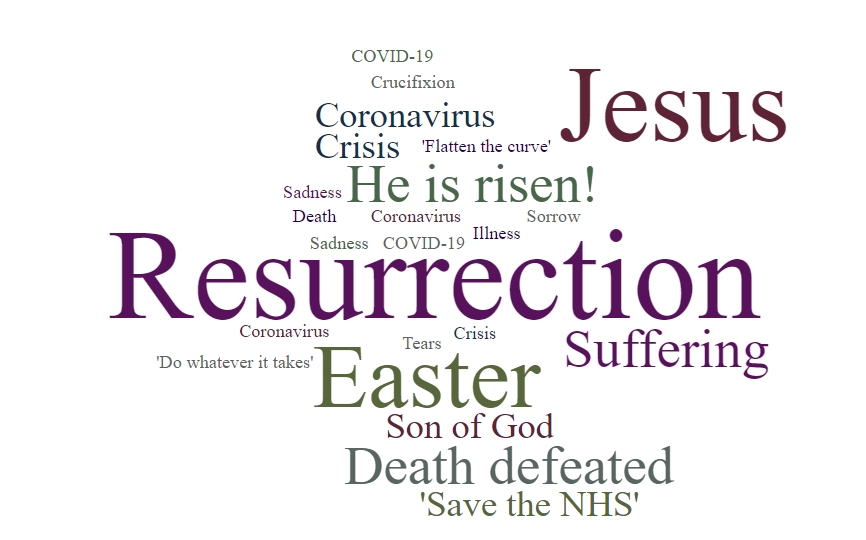
“Every single person in the country is affected by this” I was told and so we are. Who would have thought that our lives could be so dramatically transformed by a disease that nobody had ever heard off until a few months ago? All social gatherings have been banned and people have been encouraged to work from home. Schools have closed and Churches have had to cease all acts of public worship. Prime-ministerial news briefings have spoken about ‘flattening the curve’ to give the NHS the time and space to cope with the rising number of infections and those who are over 70, pregnant women and those with underlying health conditions have been encouraged to go into self-isolation. Social distancing has become the new social responsibility and the nation has been put on a ‘war’ footing. The health crisis has also become an economic crisis with the Chancellor of the Exchequer pumping £330 billion pounds (15% of GDP) into the economy to help businesses pay their rent, salaries and suppliers – the largest ever injection of aid in ‘peace time’ Britain. The Chancellor is clearly committed to ‘doing whatever it takes’ to overcome this crisis and yet the Prime Minister’s frankness has been clear from the start ‘many more families will lose loved ones before their time’. It’s a truly nerve-racking and terrible situation, a situation outside of our experience, and which has brought out both the best and the worst in us. Many people are kindly looking after their neighbours whilst others are sadly and selfishly panic buying in the supermarkets and shops.

If we ever needed a reminder of the imperfection of our world, then surely this is it! For many of us, calamities and disasters usually happen to other people, somewhere on the other side of the world. We are not used to the fact that in a global situation and in a truly global pandemic this one might actually affect us.

And yet for the Christian this all rings strangely true, for the Christian will be aware that in many ways, theologically speaking, we have never lived in a perfect world; for Genesis reminds us that when we think we are ‘masters of all that we survey’ and are in charge of our own destiny perhaps knowing better than even God himself, then something always happens to trip us up and we are destined for a fall. Now God has graciously gifted us with many wonderful qualities and characteristics, such as knowledge, skill and intellect and we are constantly amazed at what human endeavour and intuition can achieve, but fundamentally the heart of the problem is always the same – it’s the problem of the human heart, which wants to do things our own way and keep God out of the picture. This bias to self (which affects us all) the Bible calls sin and spoils our relationships with God, with one another and even with creation. It’s the worst of all social distancing! What we need is a new start and a new hope!

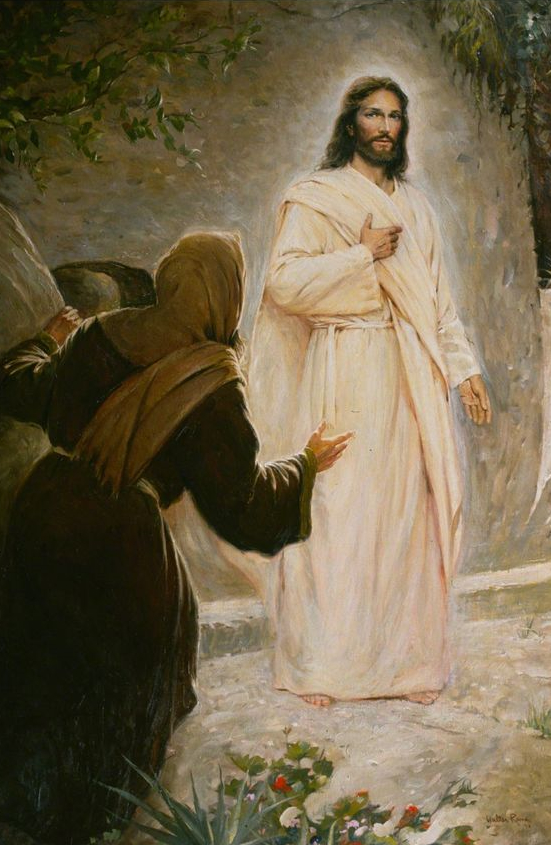
Fortunately, the Christian is aware that despite the fact that many of us may have forgotten God, he doesn’t forget us, for in the person of Jesus, God steps into this broken and fallen world of ours and bears the brunt of our pain and our sin in his own body upon the cross. He’s the one who truly does ‘whatever it takes’! He dies the death that we all deserve precisely so we don’t have to when we put our faith and trust in him – and he does this because he loves us. Christ’s death is awful and frightening, and if he were just an ordinary man then it would be the end of the story, but it’s not – because Christians recognise that Jesus isn’t simply human, he’s divine, he’s the Son of God, God made flesh, God incarnate and his resurrection proves it as witnessed by so many of his day.

resurrection

He is therefore as the risen Lord, , a man of the ‘new creation’ (2 Corinthians 5.17 / Revelation 21.1), a man of the new life and  perfectly restored order, which is promised eternally to all who believe. This is the joyful essence of Easter Day and it provides us not just with the courage and strength to meet the challenges of this moment (however dark it may be) but hope for the future, for as the Bible reminds us ‘God so loved the world that he gave his one and only Son that whoever believes in him should not perish but have eternal life’ (John 3.16).

So, yes, despite the difficulties of the present moment, may I take this opportunity for myself and the parishes I represent to wish you all a very happy and joyful Easter.


May the grace of the Lord Jesus Christ, and the love of God, and the fellowship of the Holy Spirit be with you all … this day and always. 2 Corinthians 13.14


Necton Benefice Logo