
The struggle for peace – and being on the ‘right side of history’

History, they say is “written by the victors”, meaning that those who win conflicts have the power to shape historical narratives, which often overshadow the perspective of those who are defeated. It’s a quote which is often associated with Winston Churchhill but its origins are unclear. However, it’s a phrase which is often picked up by those striving for their own particular goals, aims and objectives and has recently been used by pro-Palestine student groups, and others in support of Ukraine. Naturally, when we see such heartbreaking suffering and conflict on our television screens we may certainly wish that somebody would do something to end the pain, promote peace and be on ‘the right side of history’. But how do you do that when both sides consider themselves to be ‘in the right’? For instance, President Trump has recently called for a ceasefire between Russia and Ukraine, and President Zelenskyy has immediately agreed to go to Turkey for peace talks and has challenged his political opponent to do the same, pointing out that it’s Vladimir Putin who is the real obstacle to peace. Inevitably, the lack of trust between the two sides combined with the fear of covert military manoeuvring makes finding a genuine solution extremely difficult. The same can be said for the terrible conflict that exists between Israel and Gaza.

In the light of all this, it was very encouraging to see the new Pope, Leo XIV, use his very first Sunday address from St Peter’s Square, Rome to call upon global leaders to stop waging war. “I turn to the powerful of the world repeating the always timely appeal: never again a war” calling for a just, authentic and lasting peace, for the liberation of prisoners of war and the return of deported Ukrainian children to their families. Turning to the conflict in Gaza, he said he supported an “immediate ceasefire, humanitarian support to the exhausted civilian population and the freeing of hostages”. Following talks with America, Hamas released Israeli-American hostage Edan Alexander as a good will gesture in the hope that it would promote humanitarian aid to Gaza, and the world waits to see how Israel and America will respond.

The Christian will be aware that the Psalmist wrote, “Turn from evil and do good, seek peace and pursue it” (Psalm 34.14) and that Jesus, in his famous sermon on the mount said, “Blessed are the merciful for they will be shown mercy … blessed are the peacemakers for they will be called sons of God” (Matthew 5.7,9). This is neatly summed up in the great command which is, “love God with all your heart and your neighbour as yourself” (Matthew 22.34). When it comes to international conflicts we may have limited scope or influence, but I appreciated this quote from US Republican John Lewis who gave a passionate speech on the floor of the House of Representatives before his colleagues voted on whether or not to impeach Donald Trump, reminding them that what they did was not just a political duty but a moral obligation:

“When you see something that is not right, not just, not fair, you have a moral obligation to say something. To do something. Our children and their children will ask us, ‘What did you do? What did you say?’ … We have a mission and a mandate to be on the right side of history.”


If you would like to support the ministry of the Necton Benefice or make a one-off donation this QR code will take you to the appropriate website – Thank you and God bless

In a world of fake news, propaganda and spin – how do we recognise the truth?  

‘What is truth?’

A day after a massive Russian attack killed 35 people as they headed to church on Palm Sunday, and injured 117 others in Sumy, Ukraine, President Donald Trump, the most powerful man in America, once again blamed President Volodymyr Zelensky for starting the war with Russia. “You don’t start a war against someone 20 times your size and then hope that people give you missiles…. When you start a war, you got to know you can win.”  The historical context is complex but these statements are at odds with the recorded invasion of Ukraine by Russia in February 2022 and the earlier annexation of Crimea by Russia in 2014, in violation of international law.

A similar spinning of reality can be seen with the bombing of the al-Ahli hospital in Gaza City which coincidentally was also on Palm Sunday. This private hospital run by the Anglican Church, was the last functioning hospital in Gaza. The Israeli military said it had hit a ‘command and control centre’ used by Hamas to plan attacks, but so far they haven’t given any evidence to justify their claim.

The problem is that we live in a world of ‘relative truth’ where it has become fashionable to spin the truth to make it suit our own particular position or point of view. Regardless of the rights and wrongs of these situations, it then becomes hard (if not impossible) to tell what really happened when people constantly tell us a story spun to suit their own particular needs and agendas. Absolute truth can be inconvenient when it doesn’t suit us. It is therefore no wonder that we have seen a rise in fact checking organisations such as BBC Verify, in modern day journalism, to try and help us see through the fake news and establish the facts.

The problem is that bias and spin erodes confidence, faith and trust. How do you know who or what to believe?  

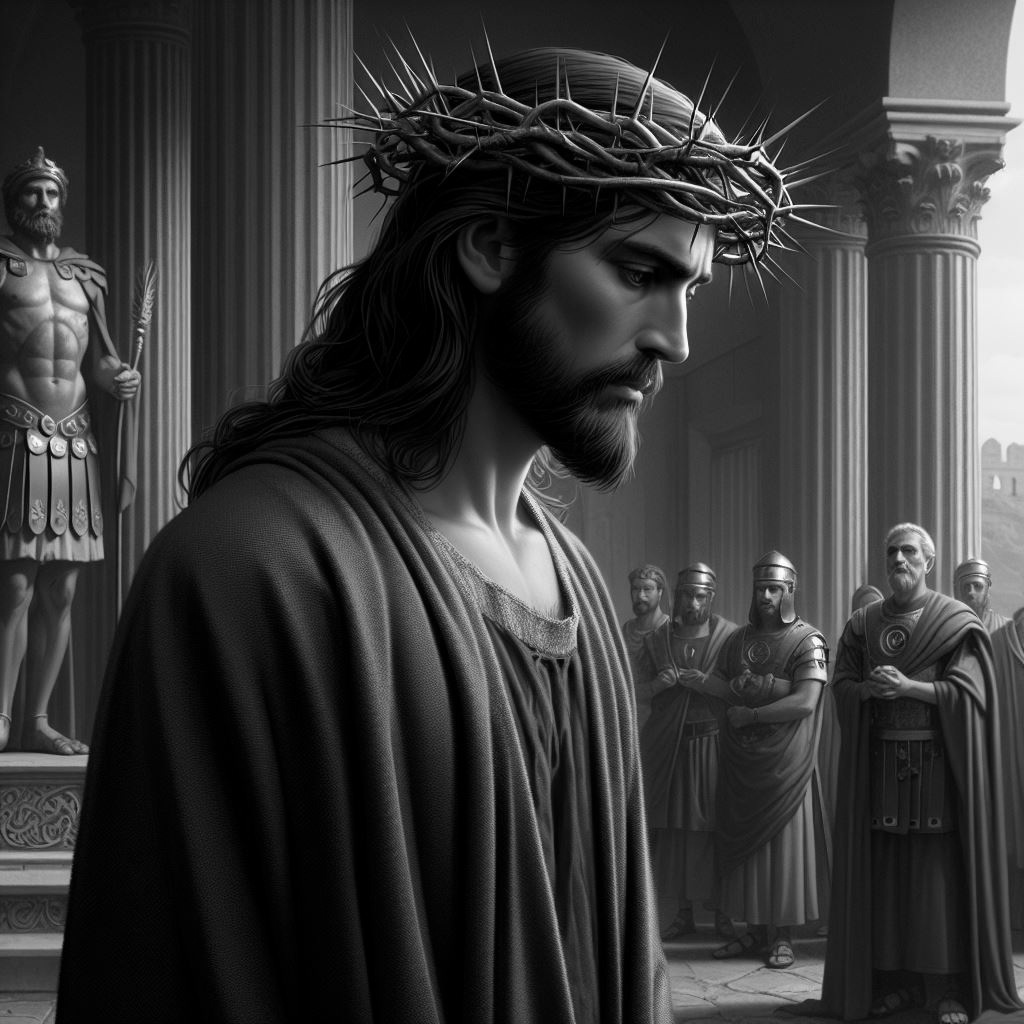
“What is truth?”, Pontius Pilate had replied when Jesus had said, “Everyone on the side of truth listens to me” (John 18.37-38). How was Pontius Pilate to know? How could he glean the facts? Who could he trust? In response to his question to Jesus, “Are you the king of the Jews?”, Jesus had replied, “Is that your own idea … or did others talk to you about me?” and now Pontius Pilate was floundering! Pontius Pilate was a powerful individual, but he was at the mercy of the religious leaders and authorities of his day who had lied and spun him a story to suit their own agendas. He didn’t know the facts and he didn’t know Jesus – all he could do was judge Jesus by his actions and his character. Those who are familiar with the story will know the intricacies of this encounter, but it soon became clear to Pilate that Jesus was not a mad man, nor a revolutionary nor a coward pleading for his life – he was a man with a great sense of special divine purpose. “You would have no power over me if it were not given to you from above”, meaning God (John 19.11), Jesus had said.

Today, like Pontius Pilate, we are so often left floundering as we try to discern the truth, but like him we need to try our best to establish the facts and (prayerfully I suggest) discern motive, character and purpose, asking ourselves who gains what and at what cost? Are they purely self-seeking or genuinely seeking the best for others? Are they trustworthy?

With regard to Jesus, Pontius Pilate actually concluded, “I find no basis for a charge against him” (John 19.6). But the political tide led him on a course that was contrary to his instincts. He was so caught up in the political spin of his day that ultimately, he didn’t have the courage of his convictions – and in that there is surely a lesson for us all!


If you would like to support the ministry of the Necton Benefice or make a one-off donation this QR code will take you to the appropriate website – Thank you and God bless

With war in Europe and the Middle East – how do you define a just war?


  1. The reason for going to war in the first place must be just. i.e. a morally right or just cause, such as defending a nation (Revelation 19.11).
  2. The war must be called by a legitimate legally recognised national authority such as a government. It can’t be called by private individuals or corporations (Romans 13.1).
  3. There must be a genuine desire for comparative justice. It should be clear that the actions of the enemy are morally wrong and that the motives of one’s own government should be, in comparison, morally right. There must be a genuine intention to establish good and restrain evil (Proverbs 21.2). Revenge, conquest, economic gain and matters of ideological superiority  are poor motives for conflict and do not remotely satisfy the conditions for a just war.
  4. There must be a reasonable chance of success (Luke 14.31); will the good results that come from victory be significantly greater that the harm and loss caused?
  5. Only sufficient force must be used, and civilians should not be involved. Will conflict be proportionate and conducted with a right intention discriminating between combatants and noncombatants? Will those captured be treated with justice and compassion according to the rights and norms set out by international law?
  6. Finally, as mentioned previously, is the war a matter of last resort; have all other diplomatic avenues and possibilities been extinguished?

Russia and the United Kingdom – a tale of two elections!


What can ‘Mr Bates v The Post Office’ teach us about Lent?


‘God save the King’ – A prayer for the Monarch & the Nation

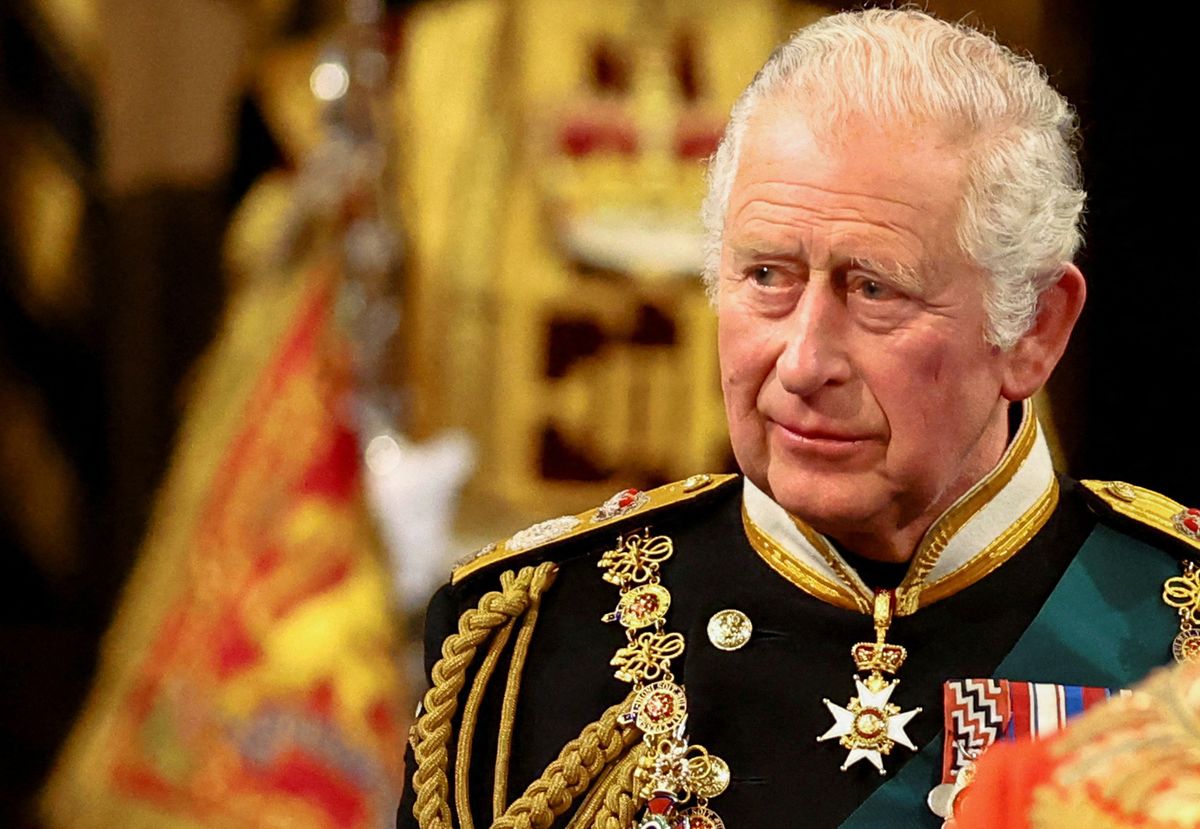
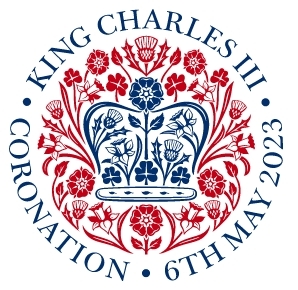
In just a few days’ time the nation will be rejoicing as we collectively watch, witness & celebrate the coronation of HRH King Charles III at Westminster Abbey. It will no doubt be a grand occasion full of ‘pomp and circumstance’ which is such a feature of British Royal occasions (and broadcast around the world). The mixture of pageantry and religious symbolism will bring the service to life and mark the King as both the head of state and church in one incredibly significant, self-defining moment. Alongside the presentation of the King, the swearing of oaths and anointing, the moment of enthronement will culminate not only in the singing of the choir but by the public cry of ‘God save the King!’ with the congregation joining in a rendition of The National Anthem. However, although most will recognise The National Anthem to be a prayer said on behalf of our King, not many will appreciate that it’s also a prayer for ourselves and the nation we are part of, for although the antiquated language of the second verse may make many of us feel uneasy about the ‘scattering of enemies’ and the ‘frustration of their knavish tricks’, it has to be said that these words uttered in the light of the current war in Ukraine has a European poignancy which we haven’t seen or felt for some time. But it is of course, the third verse with its exhortation that the King might ‘defend our laws and ever give us cause, to sing with heart and voice, God save the King’ which strikes at the heart of our national life. Although we recognise King Charles to be our Sovereign, we also recognise that it is Parliament which guides and directs our daily living and of which the monarch is its figurehead – and yet the King’s soft power both at home and abroad is tremendous.

It’s a common misconception that religion and politics shouldn’t mix, but the coronation demonstrates how both are deeply ingrained in our society, shaping and making us the nation state that we are – and even with the UK becoming an increasingly pluralistic, multicultural society, the truth of this statement will only become more profound, not less.

The Christian will be aware that Jesus told his disciples that the greatest commandment was to “ ‘Love the Lord your God with all your heart and with all your soul and with all your strength and with all your mind’ and to ‘Love your neighbour as yourself’ ” (Luke 10.27) because loving the first helps to achieve the love of  the second. This motivating truth should be reflected in all aspects of our society, whether it be personal or political, whether we be ‘prince’ or ‘pauper’, for as the Bible also reminds us “ ‘what does the Lord require of you? To act justly and love mercy and to walk humbly with your God’ ” (Micah 6.8) and this is especially true, I would suggest, if you happen to be King!

So as we come to celebrate the coronation of King Charles III, let us pray not only for him but for our nation and ourselves as we sing The National Anthem.

God save the King!


Kings detest wrongdoing, for a throne is established through righteousness. Proverbs 16.12

What can Lent teach modern people like us?

The Archbishop of Canterbury, The Most Revd Justin Welby, has just recently attended a meeting of Bishops and Primates abroad (The Anglican Consultative Council, Accra, Ghana) where he has described how the secularisation of western society has dramatically changed the morality of financially rich, independent Europeans over the last 30 years. Indeed, with 75% of people under 30 in the UK claiming to have ‘no religious affiliation’, the Archbishop saw this as further evidence that we live in a post-Christian world and society.

The Archbishop also noted that along with financial independence, people have sought other personal and individual freedoms, longing to be free from the traditional norms and external constraining authorities and influences. Such as ‘how we live’, ‘who we love’, ‘how we change and manipulate our bodies’, ‘produce our children’ and even ‘how we die’. He then went on to describe how this modern post-Christian morality, was not only a morality for the wealthy, powerful and intellectually well educated – but also a morality that does not believe in human sinfulness and failure. Nor does it believe in forgiveness or hope – and this is where the church struggles.

However, Lent is a time when we are all invited to pause, take stock and reflect upon the way that we live, both as individuals and as part of a broader society. And sometimes this reflection isn’t easy, because although we appreciate that much of what we do is positive and good – much of it is not!  ‘To err’ they say ‘is to be human’, but sometimes our errors and mistakes have unintended consequences, inflicting damage not only upon our own lives but also those of the people around us. The ripples of our ‘sin’ (as the Bible puts it) often spread further than we can possibly imagine, having a negative impact not only upon those we love and come into contact with, but also within our communities, our society and the world – and even the God who loves it.

Lent is therefore a time when we can reflect once again upon the glorious story of a God who so loved the world that, despite its sin, he stepped into it. Whose love led him to take upon himself the terrible consequences of our sin ‘in the person of Jesus’ by dying for us upon a cross, so that we might not only be forgiven but also have hope for the future. All we need to do is the one thing that modern people find so hard to do, which is to say sorry, sincerely repent (turn away from our sin) and recognise that in Christ we have a Saviour who loves us.

We may not be able to change the misfortunes or moralities of the entire world but we can make it better where we are – and as always, it always starts with us! 

“Repent and believe the good news!” Mark 1.15

Can we ‘Spare’ a thought for Royal Reconciliation?

There can be little doubt that with 400,000 copies being sold on its first day of publication, Prince Harry’s autobiography Spare has caught the public imagination, with many people proclaiming how excited they are to read it. The sales of the publication were no doubt primed by the recent Netflix television series and fuelled by a number of sensational interviews to promote it, all reported upon in the newspapers, which is slightly ironic considering Prince Harry’s well-known loathing for the British press.

But whatever your opinion about Prince Harry and the Royal Family, there can be little doubt that the steady stream of salacious material and juicy titbits are all very sad for the individuals concerned and bad for the Monarchy in general. In fact, the sheer volume of information and level of detail has taken everyone by surprise, with the previously understood policy of the Royal family to ‘never complain, never explain’ being well and truly blasted out of the water. At first glance some of the information about sibling rivalry between Princes William and Harry (and their spouses) seems quite petty, but it’s easy to see how a number of these small petty grievances and cultural misunderstandings can easily ‘blow up’ into larger issues breeding anger and resentment – with accusations of one side leaking information to the press for gain over the other, and charges of overt racism being very serious indeed. There is no doubt that Prince Harry feels compelled to protect and defend his wife from the unconscious bias/racism of his prestigious family (and press), but this, combined with his own sense of past hurt has culminated in his fierce resentment of his perceived treatment as the second son as starkly depicted in his book’s title Spare. But the problem is that no one is perfect and no one comes out of this situation very well – so can the family be reconciled?

Of course, the folly of ‘airing one’s dirty linen in public’ is the difficulty of climbing down and ‘losing face’, especially when you are a member of a Royal family in the full glare of the British press and the world’s media, but despite their grievances, Prince Harry has described his love for his father and brother – and his wish that for his children’s sake, they might be reconciled. Equally King Charles has spoken of his love for his sons, including Prince Harry, which may pave the ground at some point for civilised conversation; an honest, mutual meeting of minds resulting not only in the letting go of past hurts, but also an apology for those caused today. This needs to stem from real repentance, love and forgiveness. But if there is to be any chance of a private reconciliation, then the public argument and media circus has to stop.

The Christian will be aware that the Bible often speaks about ‘not letting the sun go down on your anger’ (Romans 4.26-27) which might give the devil a foothold and ‘the renewing of one’s mind’ (Romans 12.2) which means a change of heart, mind and attitude after the fashion of Christ. Now, no one is saying that this is easy, but genuine love can overcome most obstacles. So together, let’s spare a thought for Prince Harry and pray that he and all the members of the Royal family will overcome their differences and be reconciled.


31 Get rid of all bitterness, rage and anger, brawling and slander, along with every form of malice. 32 Be kind and compassionate to one another, forgiving each other, just as in Christ God forgave you.

Ephesians 4.31–32

The Queen Is Dead: God Save The King!

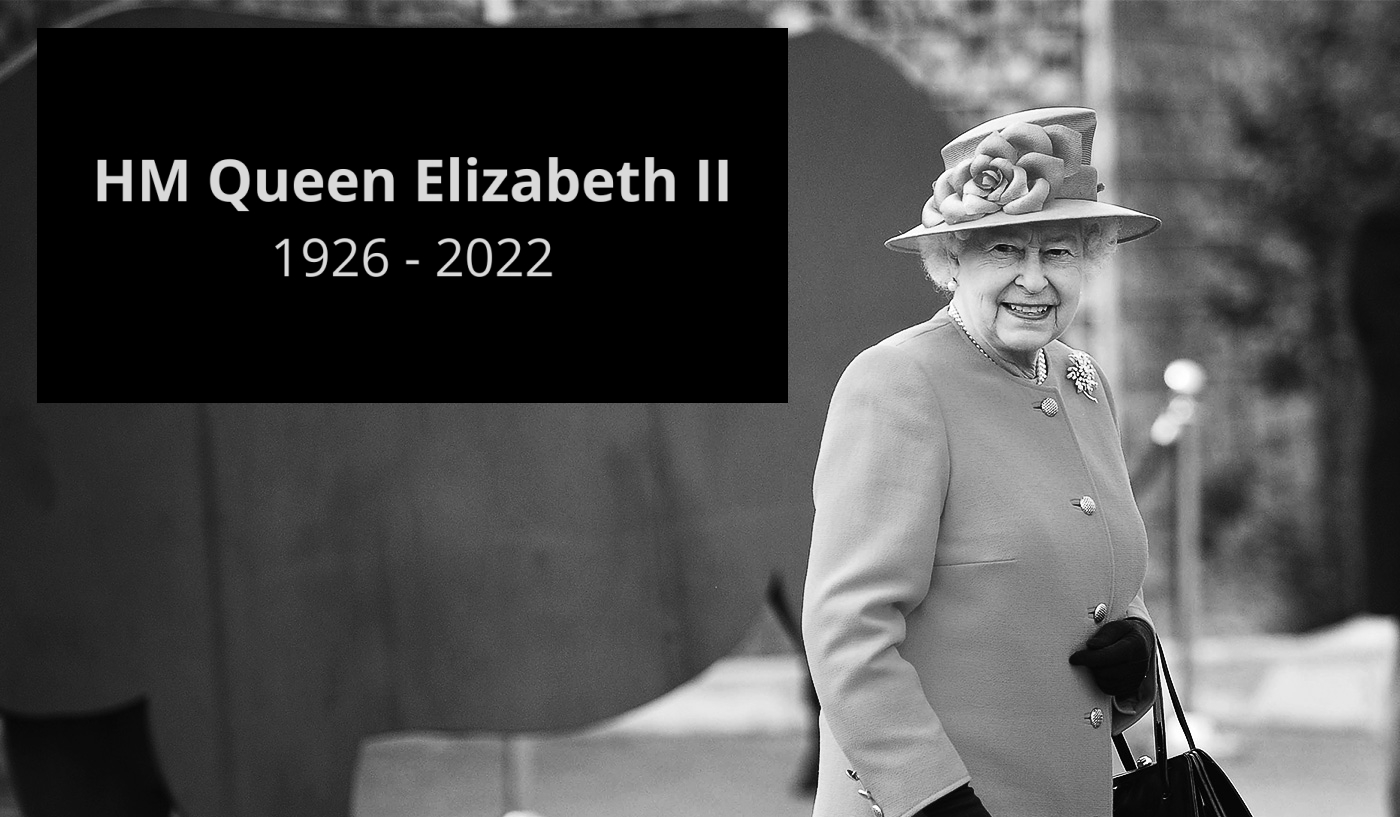
By the time you get to read this letter, the period of mourning for our late Queen, HM Queen Elizabeth II will be over. The parades, The Queue, formal lying-in-State and the funeral will all have come to an end, although our heartfelt praise and gratitude for Her Majesty and her long and glorious reign will last for ever. There will always be a special place for her, both in our history and the heart of the nation – and yet now in this period after the funeral we have an opportunity for quiet thought and reflection.

Perhaps one of the most striking things that struck visiting Presidents, Prime Ministers and other Heads of State, was that despite their constant praise of Queen Elizabeth as being ‘a rock’, and a ‘constant and invaluable presence’ (considering that she had witnessed 15 different Prime Ministers and 14 US Presidents during her reign), was the instant and seamless flow from one Sovereign to another; the Sovereign may have died but the Monarchy lives on; the Queen is dead; God save the King! This is not to show any form of disrespect, but to ensure that the life of the nation is maintained even in periods of great sadness and difficulty. The fact that Prince Charles became King Charles III upon the death of his mother, even before there was any formal proclamation or act of accession feels extraordinary to foreign dignitaries (and a great relief to those of us who have just witnessed the latest Conservative leadership contest). It’s the monarchy which helps bring this sense of constancy so admired by others, and perhaps most poignantly summed up by the Queen’s own words that “I find that one of the sad things is that people don’t take on jobs for life”.

Inevitably the sad death of the Queen will bring a period of uncertainty and change to those who have known nothing else, but the new King’s dedication to follow his late mother’s sense of Christian service and duty has been both comforting and reassuring. It’s also comforting that the Christian and religious nature of much of the past proceedings has brought a comfort and consolation to many, regardless of their own religious faith or lack of it – all are welcome here. Elizabeth was our Queen and now Charles is our King.

However, the Christian will also have a sense of another constancy in their lives, one that is central and a bed-rock to all that they say and do, bringing much comfort, strength and peace, and that is of course in God whose eternal nature was most wonderfully demonstrated through the life, death and resurrection of Jesus Christ, who is both God incarnate, and ‘Sovereign Lord and King’. His majesty and eternal promise gives us strength in times of difficulty, peace in times of uncertainty, hope for the future and comfort even beyond the grave. So as we look to the future of our nation, may we all celebrate our new earthly monarch and put our faith in the one in whose name he serves.     


“And surely I am with you always …” Matthew 28.20

Praying for Parliament, Politicians and the Prime Minister

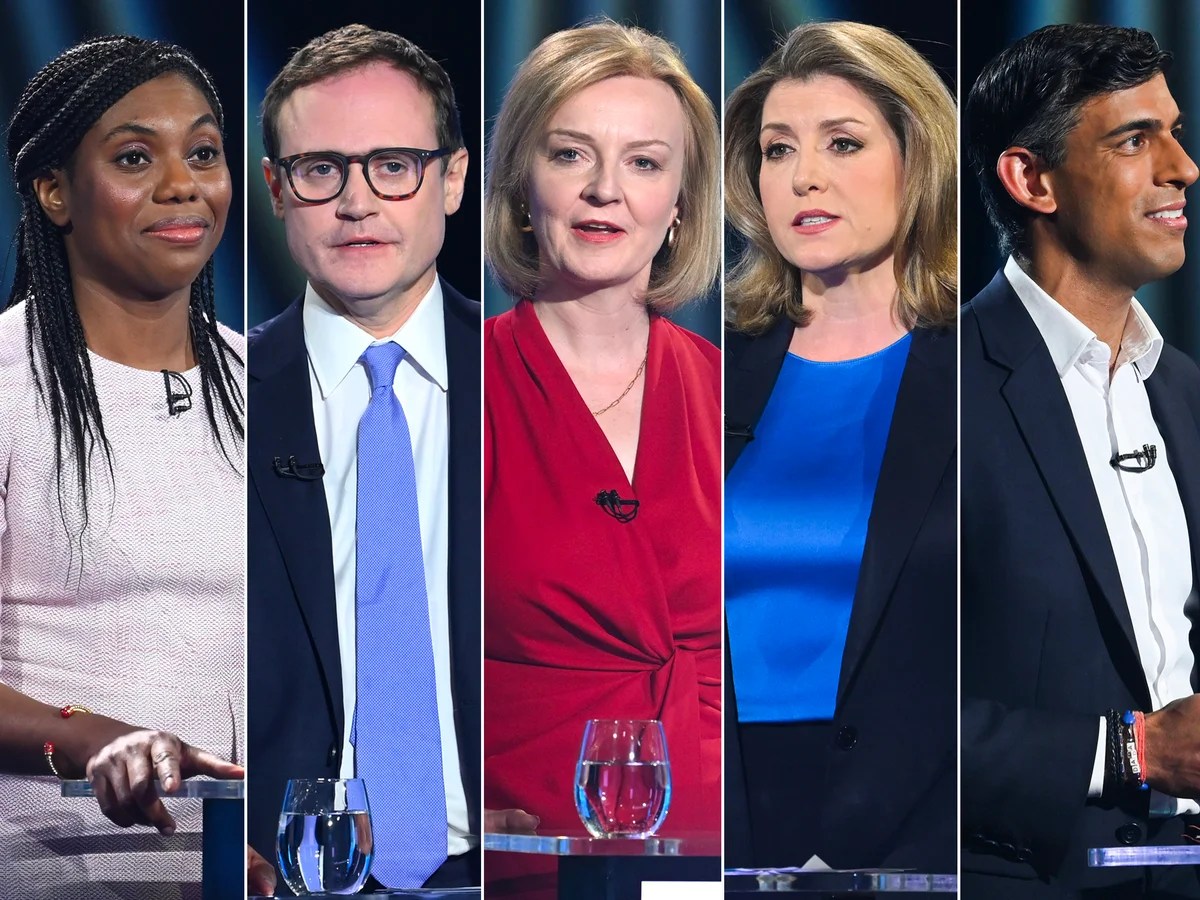
Things are certainly hotting up today, for not only has The Met Office issued a red warning (level 4) indicating a state of national emergency as the country braces itself for a heat wave that could exceed 40oC,  but also Conservative politicians are in a race to see who will be the next leader of the Conservative party and with it, the next Prime Minister. At the time of writing 5 candidates remain, Kemi Badenoch, Penny Mordaunt, Rishi Sunak, Liz Truss and Tom Tugendhat and as they appeared in the first TV debate, sparks began to fly.

But whatever your politics or personal preference, it’s worth taking a step back and asking yourself seriously, who would really want the job at this particular time in the nation’s life?  Oh yes, there is certainly plenty of power, prestige and glory to be had if you get things right and make the right decisions, but if you get things wrong, or make a mistake or simply have a run of bad luck, you can very quickly find all that power and authority slipping away from you, as Boris Johnson was to discover, and before you know it – you’re toast! Or as Boris Johnson strangely put it ‘them’s the breaks’. And of course the problems upon any future successor are considerable, such as the cost of living crisis and inflation (with huge pressures by trade unions for higher wages and pay settlements); sorting out the Northern Ireland protocol and making the most of Brexit; and most seriously of all, the terrible war in Ukraine which looks like it is only going to get worse before it gets better, leading to an immense loss of life, tremendous pain and suffering, and global food shortages exasperated by climate change; not forgetting that the coronavirus is still with us. Any one of these would be a real headache for any Prime Minster, but to face them all at once is an immense challenge.

The Bible encourages us to pray ‘for kings and all those in authority, that we may live peaceful and quiet lives in all godliness and holiness’ and whatever your politics or religious outlook, we should all prayerfully, support and encourage our politicians to act with fairness, honesty and integrity, and with strength to meet the challenges of the day upon which all our lives depend.     

I urge, then,… that …prayers, …be made for everyone— for kings and all those in authority, that we may live peaceful and quiet lives in all godliness and holiness.

1 Timothy 2.1–2